
The Evolution of African Music
The Evolution of African Music
The Evolution of African Music: From Ancient Rhythms to Global Influence
African music is one of the oldest and most influential musical traditions in the world. Long before written history, music served as a powerful tool for storytelling, communication, worship, celebration, and community building across the continent. Over thousands of years, African music has evolved while preserving its deep cultural roots, inspiring countless musical styles worldwide.
Today, African artists dominate international charts, perform on the world’s biggest stages, and collaborate with global superstars. Yet behind this modern success lies a rich history of innovation, resilience, and cultural expression.
This article explores the fascinating evolution of African music—from traditional village performances to today’s globally celebrated genres.
Music as the Heartbeat of Traditional African Society
In many African communities, music has never been viewed simply as entertainment. It is woven into everyday life and accompanies almost every important event.
Traditional African music has historically been used for:
- Birth ceremonies
- Weddings
- Funerals
- Harvest festivals
- Religious worship
- Coronations
- Community meetings
- Storytelling
- Conflict resolution
- Healing rituals
Music often combined singing, dancing, drumming, poetry, and theatrical performances, making it a complete cultural experience rather than a standalone art form.
The Rich Diversity of African Musical Traditions
Africa is home to more than 50 countries and thousands of ethnic groups, each with unique musical traditions.
Some notable regional styles include:
West Africa
West African music emphasizes complex drum rhythms, call-and-response singing, praise songs, and storytelling through griots—traditional historians and musicians.
Countries such as Nigeria, Ghana, Senegal, Mali, and Guinea have produced influential musical traditions that continue to shape modern African music.
East Africa
East African music often features string instruments, vocal harmonies, and poetic storytelling. Countries like Kenya, Tanzania, Ethiopia, and Uganda have developed distinctive sounds influenced by local cultures and historical trade connections.
Central Africa
Central African music is known for intricate vocal arrangements, layered rhythms, and energetic dances. Indigenous instruments remain central to many performances.
Southern Africa
Southern Africa contributed powerful choral traditions, township music, jazz influences, and modern genres that later evolved into styles like Kwaito and Amapiano.
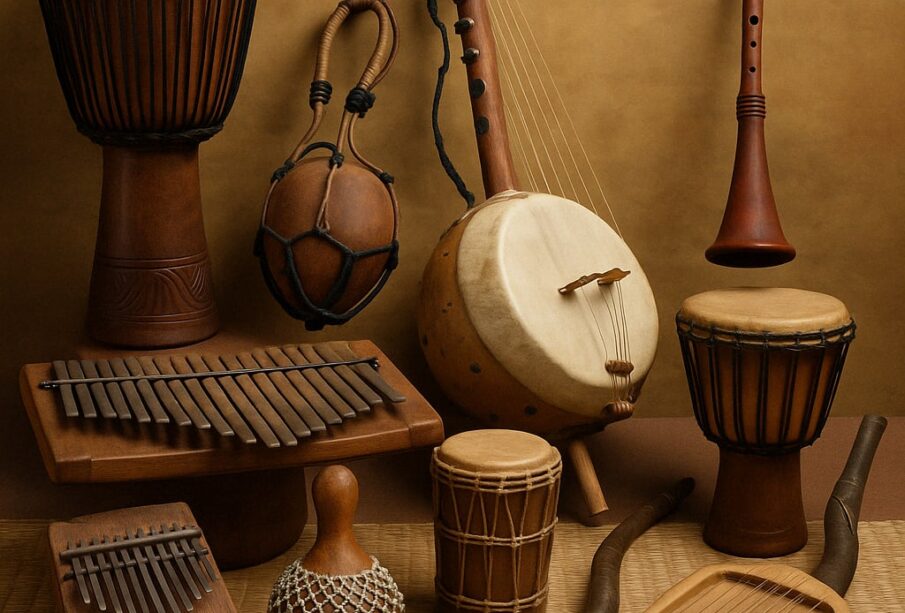
Traditional African Musical Instruments
One defining characteristic of African music is its extensive use of indigenous instruments.
Popular traditional instruments include:
- Djembe
- Talking drum
- Kora
- Balafon
- Mbira (thumb piano)
- Kalimba
- Shekere
- Udu drum
- Xylophones
- Various flutes and horns
These instruments create unique rhythms and melodies that remain recognizable in modern African music.
Oral Tradition and Storytelling
Before widespread literacy, African societies preserved history through oral tradition.
Musicians served as historians, educators, and advisors by passing stories from one generation to another through songs.
Many traditional songs recorded:
- Family histories
- Kingdoms and empires
- Heroic achievements
- Moral lessons
- Spiritual beliefs
- Community values
This tradition continues today as musicians use songs to discuss social, political, and economic issues.
Colonial Influence on African Music
European colonialism significantly affected African musical traditions.
Christian missionaries introduced:
- Church hymns
- Choir singing
- Western musical notation
- Brass instruments
- Pianos and organs
Although colonial authorities sometimes discouraged indigenous music, African communities blended imported musical styles with traditional rhythms, creating entirely new genres.
This fusion marked the beginning of modern African popular music.
Independence Movements and Musical Identity
During the struggle for independence across Africa in the mid-20th century, music became a symbol of resistance and national identity.
Musicians composed songs that promoted:
- Freedom
- Unity
- Cultural pride
- Political awareness
- Social justice
These songs inspired communities and strengthened movements seeking independence from colonial rule.
The Rise of Highlife
One of Africa’s earliest internationally recognized popular genres was Highlife.
Originating in Ghana during the early twentieth century, Highlife blended:
- Traditional rhythms
- Jazz
- Brass bands
- Guitar music
- Western harmonies
Its popularity quickly spread throughout West Africa, especially Nigeria, influencing generations of musicians.
Afrobeat Changes the Landscape
In the 1970s, Afrobeat emerged as one of Africa’s most revolutionary musical genres.
Combining:
- Traditional Yoruba rhythms
- Highlife
- Jazz
- Funk
- Soul
Afrobeat featured long instrumental performances alongside powerful messages about governance, corruption, and social justice.
Its influence continues to shape musicians around the world.
African Jazz and Soul
African musicians also embraced jazz while incorporating local rhythms and instruments.
Countries including South Africa, Nigeria, Ethiopia, and Zimbabwe developed distinctive jazz traditions that gained international recognition.
Similarly, African soul music blended local languages with global influences, producing timeless classics.
Reggae’s Strong Connection with Africa
Reggae found a passionate audience across Africa.
Its themes of liberation, identity, and social justice resonated with many African communities.
Numerous African artists adapted reggae into local languages and rhythms while addressing regional challenges.
The Birth of Modern Afrobeats
One of Africa’s greatest musical success stories is the rise of Afrobeats.
Unlike Afrobeat, Afrobeats is a contemporary genre combining:
- Pop
- Hip-hop
- Dancehall
- R&B
- Electronic music
- Traditional African rhythms
Originating largely in Nigeria and Ghana, Afrobeats has become a global phenomenon.
International collaborations, streaming platforms, and social media have accelerated its worldwide popularity.
The Amapiano Revolution
South Africa introduced another global sensation with Amapiano.
Characterized by:
- Deep house influences
- Jazz-inspired piano melodies
- Log drum basslines
- Smooth rhythms
Amapiano rapidly spread throughout Africa before becoming a favorite among international audiences.
African Music in the Digital Age
Technology has transformed how African music is created, distributed, and consumed.
Digital platforms have allowed independent artists to reach global audiences without relying solely on traditional record labels.
Artists now benefit from:
- Music streaming services
- Social media promotion
- Digital production software
- Online collaborations
- International fan communities
These tools have opened unprecedented opportunities for African musicians.
The Global Influence of African Music
African rhythms have profoundly influenced numerous genres worldwide, including:
- Jazz
- Blues
- Gospel
- Hip-hop
- Reggae
- Salsa
- Samba
- Dance music
- Pop
Today, global artists increasingly collaborate with African musicians, acknowledging the continent’s creative leadership.
African dance styles have also become major trends on platforms like TikTok, Instagram, and YouTube.
Preserving Traditional Music
Despite rapid modernization, many communities continue working to preserve traditional musical heritage.
Efforts include:
- Cultural festivals
- Music academies
- Museum collections
- Digital archives
- Community performances
- Educational programs
These initiatives ensure that future generations appreciate the rich history behind Africa’s musical traditions.
Challenges Facing African Musicians
Although African music enjoys growing international recognition, artists still face several obstacles:
- Copyright infringement
- Limited funding
- Unequal global exposure
- Piracy
- Inadequate performance infrastructure
- Limited access to music education in some regions
Addressing these challenges will further strengthen Africa’s music industry.
The Future of African Music
The future of African music looks brighter than ever.
Young artists continue blending traditional sounds with innovative production techniques, creating fresh musical experiences that appeal to audiences across continents.
Artificial intelligence, virtual concerts, digital distribution, and international collaborations are expected to further expand Africa’s influence in the global music industry.
At the same time, preserving indigenous languages, instruments, and storytelling traditions will remain essential to maintaining the authenticity that makes African music unique.
Conclusion
The evolution of African music is a story of resilience, creativity, and cultural pride. From ancient ceremonial drums and oral storytelling to internationally celebrated genres like Afrobeats and Amapiano, African music has continuously adapted while staying connected to its roots.
Today, the continent is not merely contributing to global music, it is helping shape its future. As African artists continue to innovate and share their stories with the world, the rhythms born in villages, towns, and cities across Africa will continue to inspire generations and unite people through the universal language of music.



Leave a reply







Africa’s Source for Breaking News | Entertainments | Health | Finance | Sports | Lifestyle and Business News.


