
How Communities Prevent Youth Crime
How Communities Prevent Youth Crime
Youth crime is a complex social issue that affects families, schools, businesses and communities.
While law enforcement plays an important role in maintaining public safety, preventing youth crime requires more than punishment. Strong communities can reduce the conditions that make young people vulnerable to crime by providing support, positive opportunities, guidance and a sense of belonging.
Across many African communities, young people face challenges such as unemployment, poverty, school dropout, peer pressure, substance abuse and limited access to recreational activities. These pressures do not automatically lead to criminal behaviour, but when combined with weak social support, they can increase the risk of young people becoming involved in crime.
Community-based prevention therefore focuses on addressing these challenges before they become serious problems.
Creating Safe Spaces for Young People
One of the most effective ways communities can prevent youth crime is by creating safe spaces where young people can spend their time productively.
Youth centres, sports facilities, libraries, cultural centres and community clubs can provide alternatives to spending time on the streets. Football, basketball, music, drama, art and technology programmes can also help young people discover their talents while developing discipline and teamwork.
These spaces become especially important in communities where young people have limited access to structured recreational activities.
Strengthening Families and Parenting
Families have a major influence on a young person’s behaviour. Parents and guardians who communicate openly with their children can identify problems before they become more serious.
Parents should be encouraged to discuss issues such as peer pressure, drugs, online influences, bullying and personal safety. At the same time, young people need to feel that they can talk about their problems without immediately being judged or punished.
Community organisations can support parents through parenting workshops, counselling programmes and family support initiatives. Stronger families can provide young people with the emotional stability and guidance they need to make responsible decisions.
Keeping Young People in School
Education is another important tool for preventing youth crime. Young people who remain engaged in school are more likely to have access to positive social networks, future career opportunities and structured daily activities.
Communities can help by identifying children at risk of dropping out and connecting families with educational support. Mentorship programmes, scholarships, after-school tutoring and vocational training can also help students who struggle academically or financially.
For young people who have already left school, vocational programmes can provide alternative pathways into employment and entrepreneurship.
Providing Skills and Employment Opportunities
Lack of economic opportunity can leave young people feeling frustrated and hopeless. Communities can help address this by creating pathways into employment and entrepreneurship.
Local businesses can offer internships, apprenticeships and entry-level opportunities. Community organisations can provide training in areas such as tailoring, catering, construction, digital skills, agriculture, mechanics and other trades.
When young people develop useful skills and see realistic opportunities for earning an income, they may become less vulnerable to criminal networks that promise quick money or social status.
Mentorship and Positive Role Models
Young people need positive examples of what they can become. Mentors can help them set goals, manage challenges and make better decisions.
Teachers, entrepreneurs, community leaders, athletes, artists and other professionals can serve as mentors. A mentor does not necessarily need to provide financial support. Sometimes, having a trusted adult who listens, provides advice and encourages a young person can make a significant difference.
Mentorship programmes can be particularly valuable for teenagers who lack stable adult guidance.
Addressing Substance Abuse Early
Alcohol and drug abuse can contribute to risky behaviour and increase young people’s exposure to crime. Communities can respond through education, counselling, rehabilitation and early intervention.
Rather than focusing only on punishment, prevention programmes should help young people understand the consequences of substance abuse and provide support for those already struggling with addiction.
Parents, schools, healthcare professionals, religious organisations and community leaders can work together to identify warning signs and connect affected young people with appropriate support.
Encouraging Youth Participation in Community Life
Young people should not simply be viewed as potential offenders. They should also be recognised as important members of the community.
Youth councils, community clean-up projects, cultural festivals, sports competitions and volunteering programmes can give young people opportunities to contribute positively to their neighbourhoods.
Participation can create a stronger sense of responsibility and belonging. A young person who feels connected to their community may be more likely to protect it rather than harm it.
Building Trust Between Young People and Law Enforcement
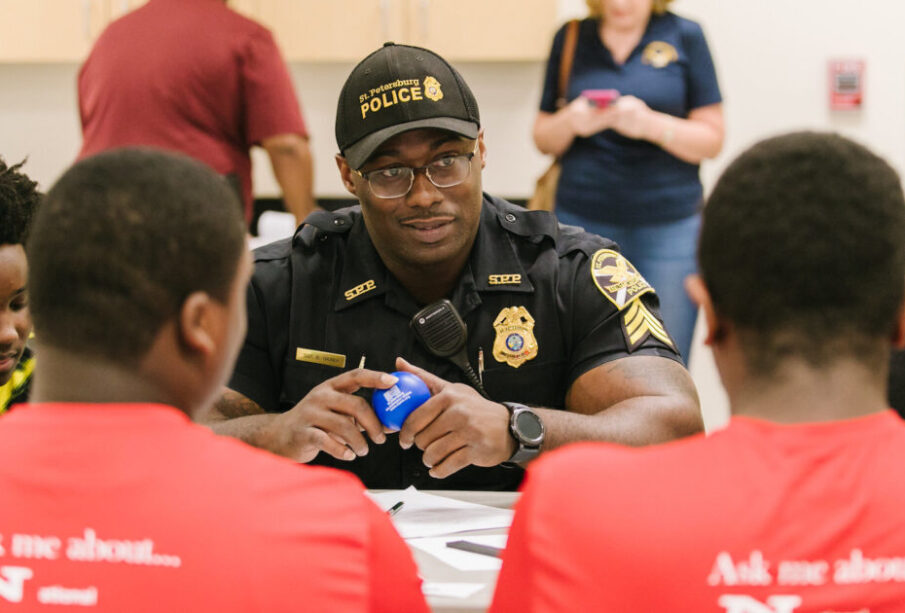
Effective crime prevention also requires trust between young people and the police. When young people view law enforcement as approachable and fair, they may be more willing to report crimes, seek help and cooperate with investigations.
Community policing initiatives can create opportunities for officers to interact with residents outside enforcement situations. School outreach programmes, neighbourhood meetings and youth engagement activities can help improve communication.
At the same time, young people need to understand their rights and responsibilities when interacting with law enforcement.
Using Technology Responsibly
Digital platforms can create both risks and opportunities. Young people may encounter cybercrime, online recruitment into criminal networks, harmful content and scams. However, technology can also support crime prevention.
Communities can organise digital literacy programmes that teach young people about online safety, misinformation, cybercrime and responsible social media use.
Technology can also provide access to online education, career opportunities and creative communities that help young people develop productive interests.
Creating a Culture of Early Intervention
Crime prevention works best when communities respond to warning signs early. Frequent school absence, sudden behavioural changes, aggressive behaviour, substance abuse, association with criminal groups and withdrawal from family or school activities may indicate that a young person needs support.
Early intervention does not mean labelling a young person as a criminal. Instead, it means identifying challenges and providing appropriate assistance before they escalate.
Counsellors, teachers, parents, social workers, religious organisations and community leaders can all play a role in this process.
Everyone Has a Role to Play
Preventing youth crime is not the responsibility of one institution. Governments must provide effective policies and social services. Schools must support students. Parents must provide guidance. Businesses can create employment opportunities. Community organisations can provide mentorship and recreational programmes. Young people themselves can participate in creating safer neighbourhoods.
The goal should not simply be to punish young people after they commit offences. A stronger approach is to create communities where young people have reasons to choose positive alternatives.
Conclusion
Communities can prevent youth crime by addressing the conditions that make young people vulnerable to criminal behaviour. Safe recreational spaces, strong families, quality education, skills development, employment opportunities, mentorship, substance-abuse prevention and meaningful youth participation can all contribute to safer communities.
Young people need more than warnings about the consequences of crime. They need opportunities, guidance, support and hope for the future.
When communities invest in their young people, they are not only preventing crime. They are building a generation capable of contributing positively to society and creating safer, stronger communities for everyone.




Leave a reply







Africa’s Source for Breaking News | Entertainments | Health | Finance | Sports | Lifestyle and Business News.


