
The Business Behind African Food Markets
The Business Behind African Food Markets
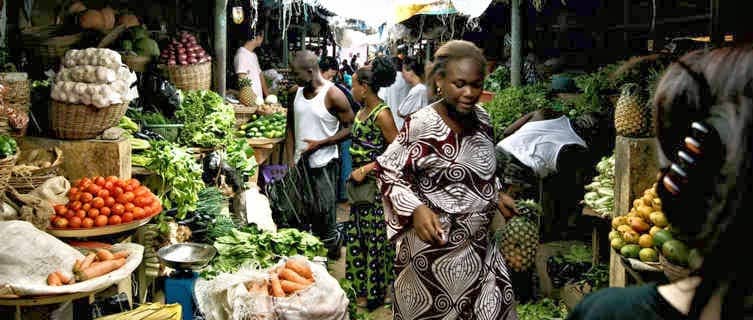
African food markets are more than places where people buy tomatoes, grains, vegetables, meat and spices.
They are complex business ecosystems that connect farmers, wholesalers, transporters, processors, retailers, food vendors and millions of consumers every day. From large urban markets in Lagos and Nairobi to community markets in Accra, Addis Ababa and Johannesburg, these trading centres play an important role in Africa’s food economy. Behind every busy market stall is a network of suppliers, negotiations, transportation costs, storage decisions and customer relationships.
Understanding this business reveals why African food markets remain so important despite the growth of supermarkets, online shopping and modern retail chains.
How African Food Markets Work
At the heart of most food markets is a supply chain that begins with producers.
Farmers grow crops such as maize, cassava, rice, tomatoes, onions, plantains and vegetables. Livestock farmers supply meat, eggs and dairy products, while fishermen and fish farmers provide fresh and processed fish.
These products move through several stages before reaching consumers. Farmers may sell directly to traders, cooperatives or wholesalers. Wholesalers then purchase large quantities and distribute them to smaller traders, restaurants, food vendors and households.
Every participant earns a margin along the way.
This structure creates thousands of income opportunities while ensuring that food moves from production areas to places where demand is highest.
Wholesalers: The Powerful Middle of the Market
Wholesalers are often among the most important players in African food markets.
They purchase goods in large quantities, sometimes directly from farms or production centres. Because they buy in bulk, they can negotiate lower prices and resell products to retailers at a profit.
Their businesses require significant knowledge of market conditions. A wholesaler must understand supply levels, seasonal changes, transportation costs and consumer demand.
For example, a trader dealing in tomatoes needs to know when production is high, when prices are likely to fall and how quickly the tomatoes must be sold before they spoil.
This makes market knowledge almost as valuable as capital.
The Economics of Retail Trading
Retailers operate on smaller margins but often handle large volumes of daily transactions.
A typical trader may purchase goods early in the morning, transport them to a stall and sell throughout the day. Profit depends on purchasing at the right price, reducing waste and maintaining enough customer traffic.
Prices can change rapidly because of weather, transportation problems, fuel costs, seasonal shortages and changes in demand.
Successful traders therefore do more than simply sell food. They constantly monitor the market.
Many also build loyal customer bases by offering flexible prices, credit to trusted customers, convenient packaging and personalised service.
Transportation Is a Major Business
Food markets cannot function without transportation.
Trucks, vans, motorcycles, tricycles and smaller delivery vehicles move food between farms, warehouses, markets, shops and homes.
Transportation costs can have a major effect on food prices. When fuel prices increase or roads become difficult to navigate, traders may have to pay more to move goods.
The transport industry therefore represents another major business opportunity within the food economy.
Efficient logistics can also reduce food losses and help farmers reach profitable markets faster.
Storage and Food Preservation
One of the biggest challenges facing African food markets is food waste.
Fresh produce can spoil quickly when traders lack adequate refrigeration, warehouses or reliable electricity. This means that a trader may lose part of an investment before the goods are sold.
This challenge has created opportunities for businesses involved in cold storage, warehousing, drying, packaging and food preservation.
Technologies such as solar-powered cold rooms and improved storage facilities can help extend the shelf life of perishable products while protecting traders from unnecessary losses.
Market Women and Informal Entrepreneurship
Women play a particularly important role in many African food markets.
They operate stalls, process food, sell cooked meals, distribute agricultural products and manage household-oriented businesses. Some begin with relatively small amounts of capital and gradually expand through reinvestment.
Although many of these businesses operate informally, their combined economic contribution is significant.
Market trading also provides an entry point into entrepreneurship for people who may not have access to formal employment or large amounts of startup capital.
The Rise of Value-Added Food Businesses
African food markets are increasingly connected to food-processing businesses.
Instead of selling raw agricultural products, entrepreneurs can create higher-value products from them. Cassava can become flour or garri. Fruits can become juices, dried snacks or jams. Grains can be cleaned, packaged and branded for retail shelves.
Value addition creates additional income opportunities and can help businesses move from informal trading into more structured food enterprises.
Packaging and branding are particularly important because consumers are increasingly interested in convenience, hygiene and product quality.
Technology Is Changing the Market
Digital technology is gradually transforming traditional food trading.
Mobile payments make it easier for traders and customers to complete transactions. Social media allows small food businesses to advertise their products without maintaining expensive storefronts.
Online marketplaces and delivery platforms are also connecting consumers with food sellers.
A trader who once depended entirely on people walking past a market stall can now receive orders through a mobile phone and serve customers in different neighbourhoods.
Digital tools can also help businesses track inventory, monitor prices and manage customer relationships.
Why Food Markets Remain Relevant
Supermarkets and modern retail stores are expanding across African cities, but traditional food markets continue to have several advantages.
They often provide competitive prices, flexible purchasing quantities and direct relationships between buyers and sellers. Consumers can negotiate prices, buy small quantities and access products that may not always be available in formal retail stores.
Traditional markets also provide cultural value. They preserve local foods, cooking traditions and regional products that might otherwise disappear from mainstream retail.
The Future of African Food Markets
The future of African food markets will likely combine traditional trading practices with modern technology. Better roads, storage facilities, digital payments, e-commerce platforms, organised logistics and improved market infrastructure could make food distribution more efficient.
There is also significant potential for investment in cold-chain logistics, food processing, agricultural technology, packaging and digital marketplaces.
For entrepreneurs, the opportunity is not limited to selling food. Businesses can profit from everything surrounding the food market, from transportation and storage to financing, technology, packaging and delivery.
Conclusion
African food markets are powerful economic engines hidden in plain sight. They support farmers, traders, transporters, processors, retailers and countless families across the continent.
Their importance goes beyond the daily buying and selling of food. They represent entrepreneurship, employment, supply-chain activity and cultural preservation.
As Africa’s population and cities continue to grow, demand for efficient food distribution will increase. The businesses that can make African food markets more organised, accessible, sustainable and technologically connected may become some of the most important enterprises in the continent’s evolving food economy.




Leave a reply




Africa’s Source for Breaking News | Entertainments | Health | Finance | Sports | Lifestyle and Business News.


