
Ancient African Civilizations That Influenced the World
Ancient African Civilizations That Influenced the World
Africa is often described as the cradle of humanity, but the continent also became home to some of the world’s most remarkable civilizations.
Long before modern borders existed, African societies developed sophisticated systems of government, trade, architecture, education, agriculture, science, and culture. From the pyramids of ancient Egypt to the trading networks of Carthage and the monumental architecture of Great Zimbabwe, these civilizations left legacies that continue to influence the world today.
Understanding their achievements offers a broader and more accurate view of African history and its contribution to global civilization.
Ancient Egypt: A Foundation of Knowledge and Innovation
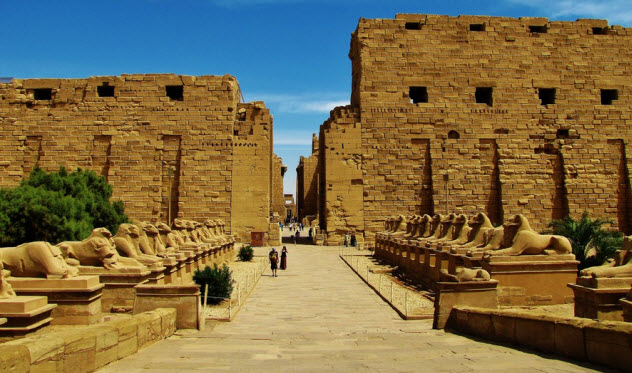
Ancient Egypt is one of Africa’s most famous civilizations and one of the world’s earliest centers of organized society. Located along the Nile River, Egyptian civilization flourished for thousands of years.
The Egyptians developed advanced agricultural practices by using the Nile’s seasonal flooding to support farming. They also created sophisticated systems of writing, record-keeping, taxation, and government administration.
Their achievements in mathematics, medicine, astronomy, engineering, and architecture were remarkable. The pyramids, temples, and other monuments demonstrate their understanding of construction and geometry.
Egyptian medical knowledge also influenced later societies. Ancient Egyptian physicians documented treatments for injuries and illnesses, while their knowledge of anatomy developed partly through practices associated with mummification.
The Kingdom of Kush: A Powerful Nile Civilization
South of Egypt, the Kingdom of Kush developed in what is now Sudan. Kush became a major political and economic power in northeastern Africa.
The kingdom controlled important trade routes and developed strong agricultural and manufacturing economies. At different points in history, Kushite rulers controlled Egypt, demonstrating the political strength of the civilization.
Kush was also famous for its ironworking and distinctive pyramids. The pyramids at Meroë remain some of the most recognizable archaeological remains in Sudan.
The civilization’s influence shows that ancient African history extended far beyond Egypt. Kush developed its own political institutions, religious traditions, artistic styles, and economic networks.
Carthage: Africa’s Mediterranean Trading Power
Carthage was founded on the North African coast in present-day Tunisia and became one of the Mediterranean world’s most powerful commercial centers.
The city developed an extensive maritime trading network connecting North Africa with parts of Europe and the Mediterranean. Carthaginian merchants traded goods such as metals, agricultural products, textiles, and luxury items.
Carthage also became known for its military organization and naval power. Its rivalry with Rome eventually led to the Punic Wars, which transformed the political balance of the Mediterranean.
The story of Carthage demonstrates the importance of North Africa in ancient international trade and Mediterranean politics.
The Kingdom of Aksum: Connecting Africa to the Wider World
The Kingdom of Aksum emerged in the region of modern-day Ethiopia and Eritrea and became an important power between Africa, Arabia, and the wider Indian Ocean trading world.
Aksum benefited from its strategic location along major trade routes. Its merchants traded goods including ivory, agricultural products, precious materials, and other commodities.
The civilization was also known for its monumental stone stelae and sophisticated coinage. The use of coins demonstrates the importance of organized commerce and economic administration.
Aksum adopted Christianity in the fourth century, making it one of the earliest major Christian kingdoms in the world. Its cultural and religious traditions continue to influence Ethiopia today.
The Mali Empire: Wealth, Scholarship, and Global Trade
Centuries later, the Mali Empire became one of West Africa’s most influential civilizations. At its height, Mali controlled extensive territories and important trans-Saharan trade routes.
Gold played a major role in Mali’s economy. The empire’s wealth became known across North Africa and beyond, particularly through the famous pilgrimage of Mansa Musa to Mecca in the 14th century.
Mali also became a center of learning. Cities such as Timbuktu developed reputations for scholarship, with institutions and libraries supporting studies in religion, law, literature, mathematics, astronomy, and other subjects.
The Mali Empire demonstrates that medieval West Africa was deeply connected to international commerce, intellectual exchange, and cultural development.
The Songhai Empire: Administration and Intellectual Growth
The Songhai Empire eventually became one of the largest empires in West Africa. Based around the Niger River and the city of Gao, it controlled major territories and important trade routes.
Songhai rulers developed systems of administration that helped govern a large and diverse territory. The empire also benefited from trade in gold, salt, agricultural products, and other commodities.
Timbuktu continued to flourish as a center of scholarship during the Songhai period. Scholars produced and preserved manuscripts covering subjects such as law, philosophy, mathematics, medicine, and astronomy.
This intellectual tradition challenges the outdated idea that advanced scholarship was absent from precolonial Africa.
Great Zimbabwe: Monumental Architecture in Southern Africa
Great Zimbabwe was a major urban and trading center in southeastern Africa. Built between roughly the 11th and 15th centuries, the settlement is famous for its enormous stone walls constructed without mortar.
The scale and sophistication of Great Zimbabwe reflect strong organizational skills, specialized craftsmanship, and an established economic system.
The city participated in regional and long-distance trade networks. Archaeological evidence indicates connections with areas across the African continent and the Indian Ocean world.
Great Zimbabwe remains an important symbol of African architectural achievement and complex urban development.
Benin Kingdom: Art, Government, and Craftsmanship
The Kingdom of Benin, located in present-day southern Nigeria, became renowned for its sophisticated political structure and exceptional artistic traditions.
Benin’s royal palace and city were supported by organized systems of administration and skilled specialists. The kingdom’s famous bronze and brass artworks displayed extraordinary technical and artistic ability.
Benin artists created detailed plaques, sculptures, masks, and other objects that recorded royal history, ceremonies, and important figures.
The Benin Kingdom’s achievements demonstrate how African societies developed highly specialized artistic industries alongside complex political institutions.
Why These Civilizations Still Matter
The influence of ancient African civilizations can be seen in several areas of modern life.
Architecture: Egyptian pyramids, Kushite pyramids, Great Zimbabwe’s stone structures, and other monuments demonstrate advanced construction techniques.
Trade: African kingdoms developed extensive commercial networks connecting different regions of the continent with Europe, Arabia, and Asia.
Education: Centers such as Timbuktu preserved and produced scholarship in fields ranging from law to astronomy.
Government: Large African kingdoms and empires developed systems of taxation, administration, diplomacy, and military organization.
Science and Technology: African societies contributed to mathematics, agriculture, metallurgy, medicine, navigation, and engineering.
Culture and Art: African sculpture, architecture, literature, religious traditions, music, and craftsmanship have influenced cultures far beyond the continent.
Preserving Africa’s Historical Legacy
Many ancient African civilizations remain underrepresented in global historical discussions. Archaeological discoveries, preserved manuscripts, oral traditions, museums, and academic research continue to reveal more about the continent’s past.
Preserving these sites and historical records is important not only for Africans but for the entire world. They provide evidence of humanity’s diverse pathways toward urbanization, technological development, trade, governance, and cultural expression.
Conclusion
Ancient Africa was home to civilizations that shaped regional and global history in profound ways. Egypt, Kush, Carthage, Aksum, Mali, Songhai, Great Zimbabwe, and Benin represent only a portion of the continent’s rich historical heritage.
Their achievements in architecture, trade, scholarship, government, science, and art remind us that Africa has always been an important participant in the development of human civilization.
Learning about these societies does more than celebrate the past. It helps create a fuller understanding of Africa’s place in world history and provides future generations with a stronger connection to the continent’s remarkable heritage.



Leave a reply




Africa’s Source for Breaking News | Entertainments | Health | Finance | Sports | Lifestyle and Business News.


