
How Communities Recover After Conflict
How Communities Recover After Conflict
How Communities Recover After Conflict: Rebuilding Lives, Trust, and Hope Across Africa
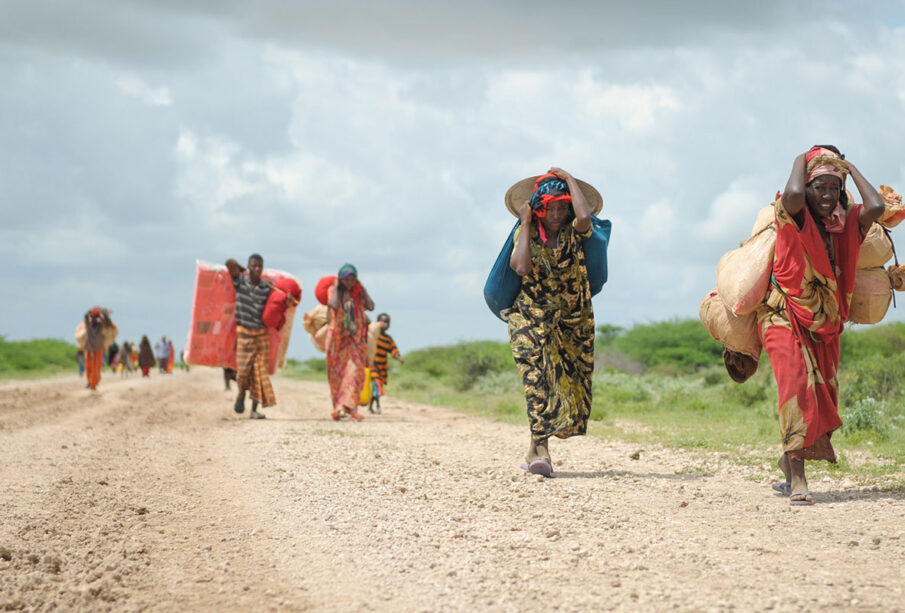
Conflict has shaped the history of many African communities in different ways. Whether caused by political disagreements, ethnic tensions, terrorism, resource disputes, or communal violence, conflict often leaves behind destroyed infrastructure, displaced families, weakened economies, and emotional scars that can last for generations.
Yet, despite these enormous challenges, countless African communities have demonstrated remarkable resilience. Across the continent, people have rebuilt homes, restored businesses, revived agriculture, reopened schools, and reconnected divided neighborhoods. Recovery is rarely quick or straightforward. Instead, it is a gradual process that requires cooperation among governments, community leaders, civil society organizations, businesses, and the people most affected.
This article explores how African communities recover after conflict, the challenges they face, and the practical steps that create lasting peace and sustainable development.
Understanding the Impact of Conflict
Before recovery can begin, it is important to understand the full extent of conflict’s effects. Violence affects nearly every aspect of community life.
Some of the most common consequences include:
- Loss of lives and livelihoods
- Destruction of homes and public infrastructure
- Closure of schools and healthcare facilities
- Reduced agricultural production
- Business closures and unemployment
- Forced migration and displacement
- Breakdown of trust among neighbors
- Psychological trauma and mental health challenges
Moreover, conflict often disrupts local markets, transportation networks, and supply chains. As a result, even communities that experience limited violence may struggle economically.
The First Stage: Ensuring Safety and Stability
Recovery begins when violence ends. Communities need a secure environment before rebuilding can take place. Governments, peacekeeping missions, traditional rulers, and local security agencies often work together to restore order.
This stage typically includes:
- Ceasefire agreements
- Community policing
- Disarmament initiatives
- Safe return of displaced persons
- Clearing dangerous areas
- Restoring local administration
Without security, investments, education, healthcare, and commerce cannot recover effectively.
Rebuilding Homes and Essential Infrastructure
Once stability improves, attention shifts toward rebuilding physical infrastructure.
Communities require functioning roads, bridges, electricity, water systems, schools, and healthcare centers to resume normal life.
Infrastructure recovery often includes:
- Repairing damaged roads
- Reconstructing schools
- Restoring electricity
- Improving water access
- Rebuilding health facilities
- Restoring communication networks
- Reopening marketplaces
Infrastructure not only improves living conditions but also creates employment opportunities during reconstruction.
Restoring Local Economies
Economic recovery plays a vital role in long-term peace. Many families lose their primary source of income during conflict. Farmers abandon their fields, businesses close, and investors withdraw.
Communities often rebuild local economies through:
Supporting Small Businesses
Governments and development partners provide grants, low-interest loans, and entrepreneurship training that help local businesses reopen.
Reviving Agriculture
Agriculture remains the backbone of many African economies.
Recovery efforts may include:
- Distribution of seeds
- Livestock replacement
- Farming equipment
- Irrigation projects
- Farmer cooperatives
As agricultural production increases, food security improves while household incomes begin to recover.
Encouraging Local Trade
Markets serve as economic and social gathering points.
Reopening local markets reconnects producers, traders, transport operators, and consumers, stimulating broader economic activity.
Healing Emotional and Psychological Wounds
Conflict affects mental health as much as physical safety.
Many survivors experience:
- Anxiety
- Depression
- Grief
- Fear
- Post-traumatic stress
- Loss of hope
Therefore, emotional healing becomes a central part of recovery.
Communities often benefit from:
- Counseling services
- Peer support groups
- Faith-based support
- Youth mentoring
- Women’s support networks
- Trauma-informed healthcare
Healing emotional wounds strengthens families and reduces the likelihood of future violence.
Rebuilding Trust Between Communities
One of the greatest challenges after conflict is restoring trust.
Neighbors who once lived peacefully may become divided by fear, suspicion, or painful memories.
Reconciliation often involves:
- Community dialogue
- Peace committees
- Traditional conflict resolution
- Religious mediation
- Truth-telling initiatives
- Shared community projects
These efforts encourage forgiveness where possible while promoting accountability and coexistence.
Education as a Tool for Recovery
Schools do far more than provide education.
They create stability, protect children, and restore a sense of normal life.
Communities frequently prioritize:
- Rebuilding classrooms
- Returning teachers
- Providing learning materials
- Supporting displaced students
- Introducing peace education
- Expanding vocational training
Educated young people become important contributors to long-term recovery and development.
Empowering Women During Recovery
Women often bear significant responsibilities during and after conflict.
Many become caregivers, business owners, farmers, and community leaders while supporting displaced families.
Recovery programs increasingly focus on:
- Women’s entrepreneurship
- Financial inclusion
- Leadership opportunities
- Maternal healthcare
- Skills development
- Protection against gender-based violence
When women are empowered economically and socially, communities often recover more quickly.
Giving Young People a Future
Young people represent both the greatest challenge and the greatest opportunity after conflict.
Without education or employment, they may become vulnerable to criminal activities or renewed violence.
Communities can support youth by providing:
- Vocational education
- Apprenticeships
- Sports initiatives
- Innovation hubs
- Digital skills training
- Entrepreneurship programs
- Civic engagement opportunities
These investments help transform young people into builders of peace rather than participants in future conflicts.
The Role of Traditional and Religious Leaders
Across Africa, traditional rulers and faith leaders often command deep community trust.
They frequently contribute by:
- Mediating disputes
- Promoting forgiveness
- Encouraging peaceful dialogue
- Supporting displaced families
- Mobilizing volunteers
- Coordinating humanitarian assistance
Their influence helps rebuild social cohesion in culturally meaningful ways.
The Importance of Good Governance
Strong institutions support lasting peace.
Transparent governance encourages citizens to trust public institutions while reducing grievances that may contribute to future conflict.
Key priorities include:
- Fair justice systems
- Accountable leadership
- Inclusive decision-making
- Anti-corruption measures
- Equal access to public services
- Community participation
When citizens feel represented and heard, long-term stability becomes more achievable.
The Role of Technology in Recovery
Technology is increasingly supporting post-conflict recovery across Africa.
Digital solutions help communities:
- Restore communication
- Deliver mobile banking services
- Support online education
- Improve healthcare access
- Monitor reconstruction projects
- Strengthen disaster preparedness
Technology also enables humanitarian organizations to coordinate aid more efficiently.
Community Participation Makes Recovery Sustainable
Recovery is most successful when local people actively participate.
Communities understand their own needs better than anyone else.
Successful recovery programs often involve residents in:
- Planning reconstruction
- Prioritizing projects
- Monitoring spending
- Maintaining infrastructure
- Supporting vulnerable households
Community ownership creates stronger and more sustainable outcomes.
Challenges That Slow Recovery
Although many communities make impressive progress, recovery often faces significant obstacles.
Common challenges include:
- Limited funding
- Political instability
- Ongoing insecurity
- Corruption
- Climate-related disasters
- High unemployment
- Weak institutions
- Continued displacement
Addressing these challenges requires long-term commitment rather than short-term interventions.
Inspiring Lessons from African Communities
Across Africa, communities have shown that recovery is possible even after devastating conflict.
Several common lessons emerge:
- Peace requires continuous dialogue.
- Economic opportunity reduces the risk of renewed violence.
- Education strengthens future generations.
- Women’s leadership accelerates recovery.
- Young people are powerful agents of positive change.
- Local participation creates lasting solutions.
- Trust takes time but can be rebuilt through shared goals and inclusive leadership.
These lessons demonstrate that sustainable peace depends on more than ending violence—it requires rebuilding relationships, institutions, and opportunities.
Conclusion
Recovering after conflict is one of the most demanding challenges any community can face. Nevertheless, African communities continue to demonstrate extraordinary resilience by rebuilding homes, restoring livelihoods, strengthening institutions, and fostering reconciliation.
Although the road to recovery is often long, each rebuilt school, reopened market, thriving farm, and renewed friendship represents another step toward a more peaceful future. Governments, civil society, businesses, traditional leaders, and ordinary citizens all have vital roles to play in this journey.
Ultimately, lasting recovery is not measured solely by reconstructed buildings or economic growth. It is reflected in renewed trust, inclusive development, and the shared determination to ensure that future generations inherit communities defined by peace rather than conflict.



Leave a reply






Africa’s Source for Breaking News | Entertainments | Health | Finance | Sports | Lifestyle and Business News.


