
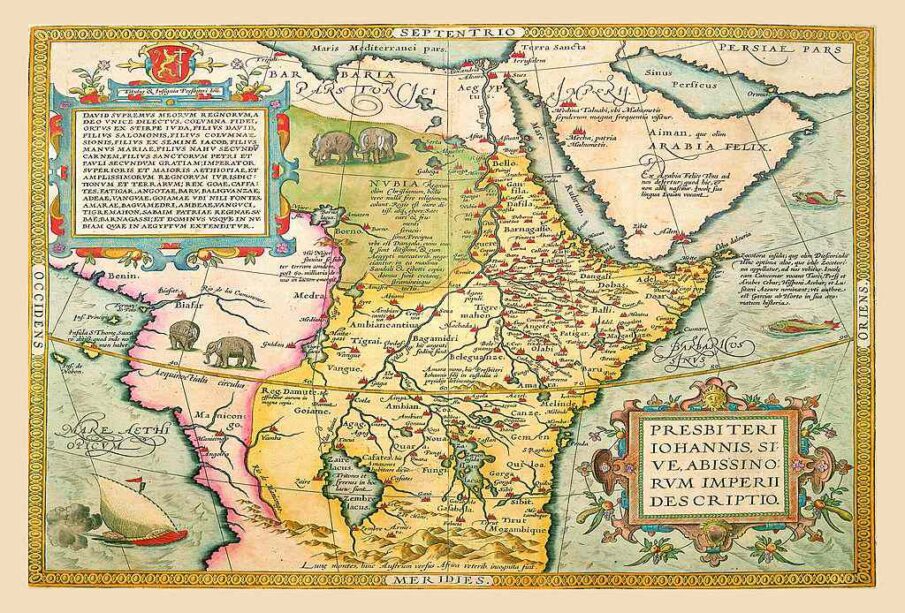
Africa's Most Significant Historical Treaties
Africa’s Most Significant Historical Treaties: Agreements That Shaped the Continent
Throughout history, treaties have shaped the political, economic, and social development of Africa. Some agreements brought peace after years of conflict, while others redefined borders, controlled trade, or influenced the future of entire nations. In many cases, historical treaties affected millions of lives and continue to influence African politics, diplomacy, and regional cooperation today.
Some treaties benefited African societies by ending wars or encouraging collaboration. However, others favored colonial powers and ignored the interests of African communities. Understanding these agreements helps explain many of today’s political boundaries, regional partnerships, and historical challenges.
This article explores some of Africa’s most significant historical treaties and examines their lasting impact on the continent.
Why Historical Treaties Matter
Treaties are formal agreements between governments, kingdoms, or political entities. They establish rules that both sides agree to follow. Across Africa, treaties have influenced:
- National borders
- Trade routes
- Military alliances
- Colonial expansion
- Independence movements
- Regional cooperation
Therefore, studying these agreements provides valuable insight into Africa’s past and present.
1. The Treaty of Vereeniging (1902)
The Treaty of Vereeniging officially ended the Second Boer War in South Africa. The agreement was signed between the British Empire and the Boer republics after a costly conflict.
The treaty allowed British control over the Boer territories while promising eventual self-government. Although it brought peace, it largely excluded Black South Africans from political participation. As a result, racial inequalities continued to grow and later became deeply rooted in South Africa’s political system.
Today, historians view the treaty as both the end of a major war and the beginning of political developments that eventually contributed to apartheid.
2. The Anglo-Ethiopian Treaty (1897)
Ethiopia stands out as one of the few African countries that successfully resisted European colonization during the nineteenth century. Following Ethiopia’s victory at the Battle of Adwa, Britain signed the Anglo-Ethiopian Treaty. The agreement recognized Ethiopia’s territorial integrity and established diplomatic relations between both sides.
Furthermore, the treaty strengthened Ethiopia’s international standing and reinforced its position as an independent African state during the colonial era.
3. The Treaty of Wuchale (1889)
The Treaty of Wuchale became one of Africa’s most controversial diplomatic agreements. Italy and Ethiopia signed the treaty after Emperor Menelik II came to power. However, the Italian and Amharic versions contained a critical difference. The Italian text suggested Ethiopia had become an Italian protectorate, while the Amharic version did not.
Consequently, this misunderstanding led to growing tensions between both nations. Eventually, the disagreement contributed directly to the First Italo-Ethiopian War, where Ethiopia defeated Italy at the Battle of Adwa in 1896.
The treaty remains a powerful example of how inaccurate translations can alter international relations.
4. The Berlin Conference Agreements (1884–1885)
Although no African leaders participated, the agreements reached during the Berlin Conference had enormous consequences for the continent. European powers established rules for claiming African territories during the colonial period. Instead of respecting existing kingdoms, ethnic communities, and cultural boundaries, colonial governments drew borders that often divided families and communities.
As a result, many modern African national borders still reflect decisions made during this conference. Even today, scholars consider these agreements among the most influential political arrangements in African history because of their lasting effects on governance, identity, and regional relations.
5. The Anglo-Zulu Peace Agreements (1879)
Following the Anglo-Zulu War, Britain negotiated peace agreements with the defeated Zulu Kingdom. The agreements dismantled the centralized Zulu monarchy and divided the kingdom into several smaller territories. Consequently, political instability increased throughout the region.
Later, Britain expanded its influence even further, incorporating the area into colonial administration. These agreements significantly changed Southern Africa’s political landscape.
6. The Lancaster House Agreement (1979)
The Lancaster House Agreement marked a turning point in Southern African history. Negotiated in London, the agreement ended the Rhodesian Bush War and created a framework for internationally recognized elections.
Soon afterward, Zimbabwe achieved independence in 1980. The agreement also addressed constitutional issues, land ownership, and political transition, making it one of Africa’s most important independence-era treaties.
7. The Camp David Framework and Egypt-Israel Peace Treaty (1978–1979)
Although negotiated with significant international involvement, the Camp David Framework eventually led to the Egypt-Israel Peace Treaty.
Egypt became the first Arab nation to officially recognize Israel. In return, Israel withdrew from the Sinai Peninsula.
The agreement reshaped Middle Eastern and North African diplomacy for decades. While the treaty generated political controversy across the region, it also prevented future large-scale wars between the two countries.
8. The Abuja Treaty (1991)
Unlike many earlier treaties, the Abuja Treaty focused on African unity rather than colonial interests. African leaders signed the treaty to establish the African Economic Community. The agreement aimed to strengthen economic cooperation, encourage regional integration, and reduce trade barriers across the continent.
Moreover, the treaty laid important foundations for later initiatives promoting greater economic collaboration among African nations.
Its long-term vision continues to influence regional development efforts today.
9. The Lomé Peace Agreement (1999)
After years of devastating civil war in Sierra Leone, the Lomé Peace Agreement sought to restore peace.
The agreement called for:
- A ceasefire
- Disarmament of rebel groups
- National reconciliation
- Democratic reforms
Although implementation faced many obstacles, the treaty represented a crucial step toward ending one of Africa’s most destructive conflicts.
Today, Sierra Leone’s continued stability reflects years of peacebuilding that followed the agreement.
10. The Arusha Peace and Reconciliation Agreement (2000)
The Arusha Agreement helped end years of ethnic conflict in Burundi. Negotiators created a power-sharing framework designed to reduce political tensions and promote national reconciliation.
Additionally, the agreement introduced constitutional reforms and encouraged inclusive governance. Although challenges remained, the treaty established the foundation for a more stable political system.
The Lasting Legacy of Historical Treaties
Historical treaties continue to influence Africa in numerous ways. For example, many international borders remain unchanged from colonial agreements. Likewise, several modern regional organizations grew from earlier diplomatic commitments.
Furthermore, peace agreements have helped countries recover from conflict by encouraging reconciliation, constitutional reform, and democratic governance.
However, some colonial-era treaties also created long-term challenges. Artificial borders, unequal political systems, and disputed territories continue to affect several African nations today.
Therefore, understanding these agreements provides valuable context for current political and economic developments across the continent.
Lessons from Africa’s Historical Treaties
Several important lessons emerge from Africa’s treaty history:
- Fair negotiations produce more lasting peace.
- Clear language prevents diplomatic misunderstandings.
- Inclusive agreements create stronger political stability.
- Respect for sovereignty strengthens international cooperation.
- Regional collaboration supports long-term economic growth.
These lessons remain relevant for modern diplomacy throughout Africa and beyond.
Conclusion
Africa’s most significant historical treaties have shaped the continent’s borders, governments, economies, and international relationships for generations. Some agreements ended wars and promoted cooperation, while others reflected colonial ambitions that ignored African voices.
Nevertheless, each treaty forms an important chapter in Africa’s history. By examining these agreements, we gain a deeper understanding of how the continent has evolved and why many modern political realities exist today.
As African nations continue strengthening regional cooperation, expanding trade, and resolving conflicts through diplomacy, the lessons of these historical treaties remain just as important as ever.




Leave a reply





Africa’s Source for Breaking News | Entertainments | Health | Finance | Sports | Lifestyle and Business News.


