
The Story Behind Popular Festival Foods
The Story Behind Popular Festival Foods
Across Africa and around the world, festivals are more than colorful celebrations, they are living expressions of culture, faith, history, and community.
Music, dance, traditional attire, and rituals often capture the spotlight. However, one of the most meaningful parts of any festival is the food. Every special dish tells a story, preserving traditions that have been passed down through generations.
From festive rice dishes served during religious celebrations to roasted meats enjoyed during harvest festivals, festival foods symbolize gratitude, unity, abundance, and identity. Moreover, they connect families to their heritage while introducing younger generations to the customs of their ancestors.
In this article, we explore the fascinating stories behind some of the most popular festival foods in Africa and discover why these meals remain an essential part of cultural celebrations.
Why Festival Foods Matter
Festival foods are not ordinary meals. Instead, they carry deep cultural and spiritual meanings. Communities often prepare these dishes only during specific celebrations, making them symbols of joy and togetherness.
These foods help to:
- Preserve cultural traditions.
- Strengthen family and community bonds.
- Celebrate successful harvests.
- Express gratitude and hospitality.
- Mark important religious occasions.
- Pass culinary knowledge from one generation to another.
As a result, preparing festival meals becomes just as important as eating them.
The History Behind Popular Festival Foods
1. Jollof Rice During Celebrations
Few dishes are as iconic in West Africa as Jollof rice. Whether in Nigeria, Ghana, Senegal, Sierra Leone, or The Gambia, this flavorful rice dish has become synonymous with celebrations.
Although historians trace its origins to the ancient Wolof people of present-day Senegal, each country has developed its own unique version. Today, Jollof rice appears at weddings, birthdays, Christmas gatherings, Eid celebrations, and community festivals.
Its rich tomato base, spices, and colorful appearance represent celebration, generosity, and hospitality. Furthermore, cooking large pots of Jollof allows entire communities to eat together.
2. Pounded Yam and Egusi Soup During Traditional Festivals
Among many communities in southern Nigeria, pounded yam served with egusi soup is considered a prestigious meal reserved for important occasions.
Traditional festivals celebrating kingship, new yam harvests, and cultural heritage often feature this beloved combination.
The pounding process itself reflects teamwork, as family members traditionally worked together to prepare the meal. Consequently, the food represents unity, strength, and shared responsibility.
3. New Yam Festival Meals
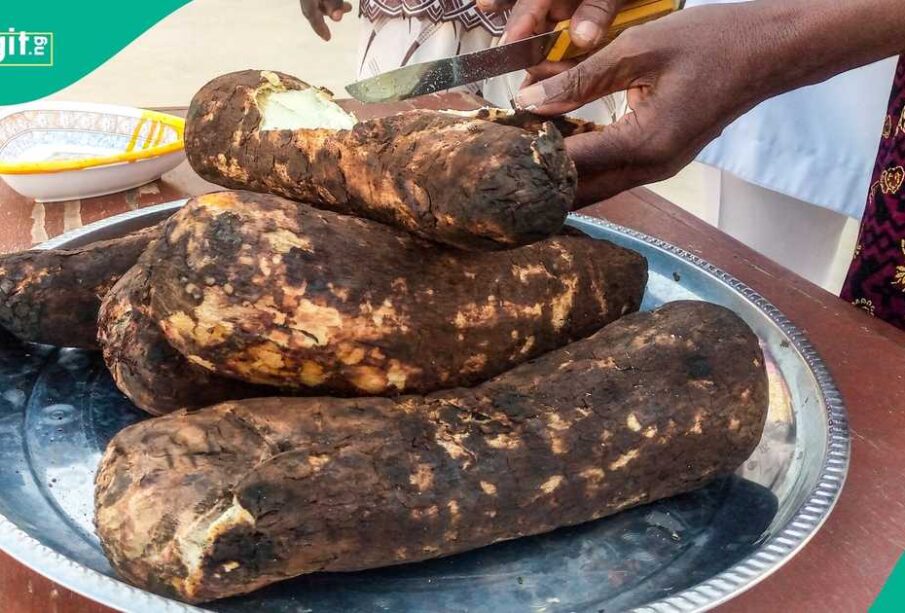
The New Yam Festival, celebrated by many Igbo communities and several other ethnic groups across West Africa, marks the beginning of the yam harvest season.
Before anyone eats newly harvested yams, communities first thank God and honor their ancestors. Afterwards, families prepare roasted yam, boiled yam, pounded yam, and yam porridge.
The festival reminds people that food security depends on both hard work and gratitude. Therefore, the first yam meal becomes a symbol of thanksgiving and hope for another successful farming season.
4. Couscous During North African Festivals
In countries such as Morocco, Algeria, and Tunisia, couscous holds a special place during family celebrations and religious festivals. Made from steamed semolina grains and served with vegetables, meat, or fish, couscous has been prepared for centuries.
Families traditionally gather around one large communal bowl, encouraging sharing and conversation. In many households, this practice reinforces respect, generosity, and family unity.
5. Injera During Ethiopian and Eritrean Celebrations
In Ethiopia and Eritrea, injera is much more than bread. Made from fermented teff flour, this soft flatbread serves as both a plate and an eating utensil. During religious holidays, weddings, and cultural festivals, large platters of injera are covered with colorful stews known as wats.
Eating from the same platter symbolizes trust, equality, and togetherness. Additionally, the traditional act of feeding another person by hand, called gursha, expresses affection, friendship, and respect.
6. Roasted Meat During Eid Celebrations
Across many African Muslim communities, Eid al-Fitr and Eid al-Adha are celebrated with generous meals featuring roasted lamb, beef, goat, or chicken. The food reflects gratitude, sacrifice, and charity. Families also share meals with neighbors and donate food to those in need.
As a result, festival meals become acts of compassion as well as celebration.
7. Christmas Rice and Chicken
In many African countries, Christmas is incomplete without rice dishes accompanied by chicken, turkey, beef, or goat meat. Although recipes differ from country to country, the spirit remains the same. Families prepare their best meals to celebrate peace, love, and the joy of giving.
Relatives often travel long distances to reunite, making the Christmas meal one of the year’s most anticipated traditions.
8. Millet Dishes During Harvest Festivals
Across the Sahel region, including parts of Mali, Niger, Burkina Faso, and northern Nigeria, millet has sustained communities for centuries.
Harvest festivals frequently feature millet porridge, millet bread, and fermented millet drinks. These dishes honor successful farming seasons while recognizing the resilience of communities living in dry climates.
How Festival Foods Preserve Culture
Food serves as a living archive of history. Every recipe carries memories of migration, trade, agriculture, religion, and family life.
Furthermore, grandparents often teach children traditional cooking methods during festival preparations. These shared experiences help preserve languages, customs, and family stories that might otherwise disappear.
In addition, many African chefs and restaurants are now reintroducing traditional festival recipes to younger generations, ensuring these culinary traditions remain relevant in modern society.
The Economic Importance of Festival Foods
Festival seasons also create significant economic opportunities. Local farmers grow crops needed for traditional meals. Meanwhile, traders, food vendors, caterers, transport providers, and artisans experience increased demand.
In many African communities, festivals support:
- Local agriculture.
- Small food businesses.
- Traditional markets.
- Tourism.
- Cultural industries.
- Hospitality services.
Consequently, festival foods contribute not only to cultural preservation but also to local economic development.
Modern Influences on Traditional Festival Foods
While traditions remain important, festival foods continue to evolve. Today, younger cooks experiment with healthier ingredients, modern cooking equipment, and creative presentations. Vegan and vegetarian versions of classic festival dishes have also become more common.
Even so, the essence of these meals remains unchanged. They continue to bring families together while honoring centuries-old traditions.
Keeping Festival Food Traditions Alive
Communities can preserve these valuable traditions by:
- Recording family recipes.
- Teaching children traditional cooking techniques.
- Supporting local farmers.
- Organizing cultural food festivals.
- Promoting indigenous ingredients.
- Encouraging culinary tourism.
- Documenting oral histories behind traditional recipes.
By taking these steps, future generations will continue to appreciate both the flavors and the stories behind these treasured dishes.
Conclusion
Festival foods are much more than delicious meals, they are powerful symbols of identity, gratitude, history, and community. Every recipe reflects the experiences of the people who created it, preserving traditions that have endured through generations.
As Africa continues to modernize, these culinary traditions remain a vital link between the past and the future. Whether it is Jollof rice at a family celebration, couscous during a religious gathering, injera at a wedding, or roasted yam at a harvest festival, each dish tells a unique story worth preserving.
The next time you enjoy a festival meal, remember that you are not simply tasting food, you are experiencing centuries of culture, resilience, and shared heritage served on a single plate.




Leave a reply




Africa’s Source for Breaking News | Entertainments | Health | Finance | Sports | Lifestyle and Business News.


