
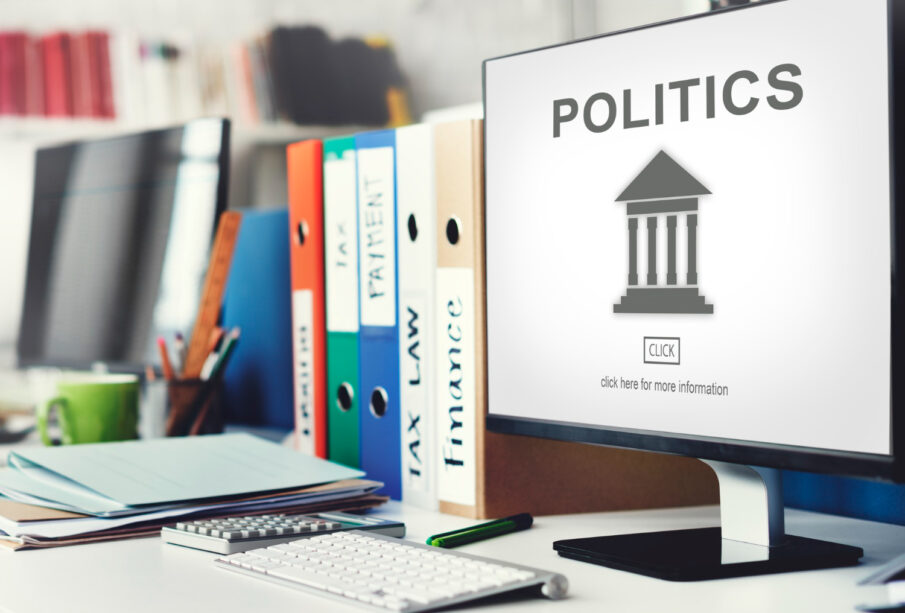
Politics often feels distant from daily life, yet its influence shows up in the most routine expenses, food, transport, housing, and even the cost of airtime.
Government decisions shape the economic environment people live in, directly affecting how much individuals and families spend to survive and thrive.
1. Fuel Prices and Transportation Costs
One of the most immediate ways politics affects expenses is through fuel pricing. When governments remove subsidies or adjust fuel policies, transport fares usually rise. This increase doesn’t stop at commuting, it also affects the cost of goods, since transportation is a major part of supply chains. As a result, consumers end up paying more for everyday items.
2. Inflation and Cost of Living
Political decisions around monetary and fiscal policy can either stabilize or destabilize an economy. When inflation rises due to poor economic management, prices of basic necessities like food, rent, and utilities increase. Even when salaries remain the same, purchasing power drops, forcing households to cut back or find additional income sources.
3. Taxation and Disposable Income
Taxes are another direct link between politics and personal expenses. Governments introduce or adjust taxes such as VAT, income tax, or levies on goods and services. Higher taxes often mean less disposable income for individuals. On the other hand, tax relief policies can ease financial pressure and encourage spending.
4. Exchange Rates and Imported Goods
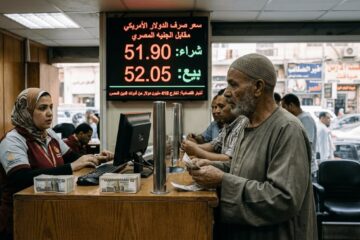
In many countries, a large percentage of goods are imported. Political stability and economic policies influence exchange rates. When the local currency weakens, imported goods, from electronics to food items, become more expensive. This trickles down to everyday spending, making even basic items costlier.
5. Public Services and Hidden Costs
Government investment in public services like healthcare, education, and infrastructure determines how much individuals spend out-of-pocket. Poorly funded public systems often push people toward private alternatives, which are usually more expensive. For example, unreliable electricity supply may force households to spend more on fuel for generators or alternative energy sources.
6. Employment Policies and Income Stability
Political decisions also shape job markets. Policies that support businesses can create employment opportunities, while unstable or unclear regulations may discourage investment and lead to job losses. When income becomes uncertain, managing everyday expenses becomes even more difficult.
7. Regulation of Markets
Governments regulate markets to control prices and protect consumers. However, excessive regulation or poor implementation can lead to shortages or price hikes. For instance, restrictions on certain goods or industries may reduce supply, pushing prices higher.
8. Security and Living Costs
Political stability affects security, which in turn influences expenses. In areas with higher insecurity, people may spend more on safety measures, relocation, or insurance. Businesses may also increase prices to cover risks, passing the burden onto consumers.
Conclusion
Politics is not just about elections or leadership, it plays a crucial role in shaping everyday financial realities. From the price of food to the cost of transportation, political decisions ripple through the economy and into households. Understanding this connection helps individuals make better financial plans and stay informed about policies that impact their daily lives.

Leave a reply





Africa’s Source for Breaking News | Entertainments | Health | Finance | Sports | Lifestyle and Business News.


