
Indigenous Crops Supporting Food Security
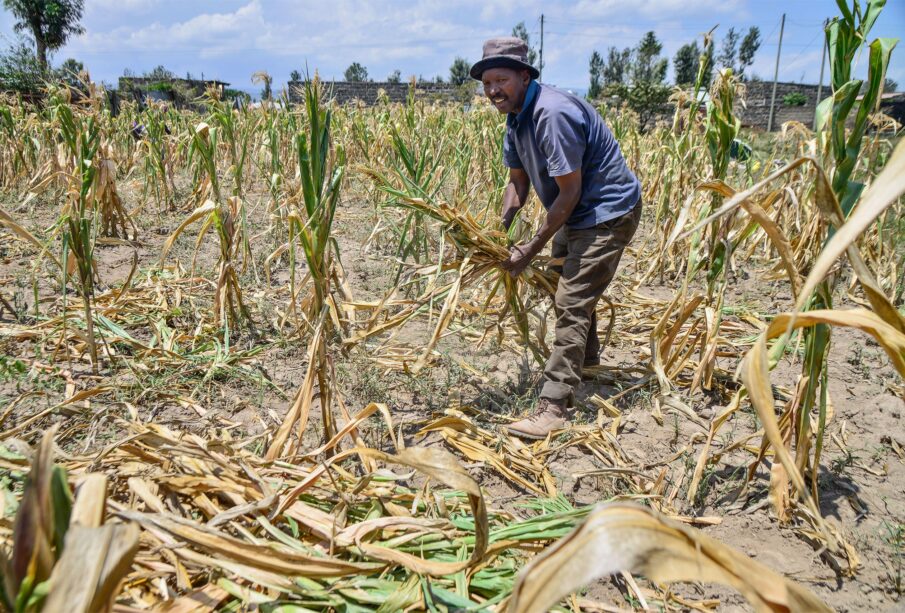
Indigenous Crops Supporting Food Security
Food security remains one of Africa’s most important development challenges.
Population growth, climate change, rising food prices, land degradation and disruptions in global food supply chains have made it increasingly important for African countries to strengthen local food production.
One promising solution is the increased cultivation and consumption of indigenous crops. These are crops that have been grown, adapted and consumed in particular African communities for generations. They include familiar foods such as millet, sorghum, fonio, African yam, cowpea, bambara groundnut, cassava, African leafy vegetables and several traditional grains and legumes.
Beyond their cultural value, many of these crops can contribute significantly to food security because they are often well adapted to local environmental conditions.
What Are Indigenous Crops?
Indigenous crops are plant species or locally adapted varieties that have a long history of cultivation and use within a particular region or community. Some are native to Africa, while others have been cultivated on the continent for centuries and have become an important part of local food systems.
Examples include:
- Sorghum – widely cultivated in dry areas and used for foods and beverages.
- Millet – known for its ability to grow in relatively harsh and dry conditions.
- Fonio – a traditional West African grain that matures quickly.
- Cowpea – an important source of plant protein and commonly consumed across West Africa.
- Bambara groundnut – a nutritious legume that can tolerate relatively poor soils.
- African yam – an important traditional food crop in several parts of the continent.
- African leafy vegetables – including various locally grown greens that provide important nutrients.
These crops represent a valuable agricultural resource that can complement major staples such as maize, rice and wheat.
Indigenous Crops Can Improve Food Availability
Food security begins with having enough food available to meet people’s needs. Indigenous crops can help expand the range of foods produced locally.
When farmers depend heavily on a small number of crops, poor harvests caused by drought, pests or disease can have serious consequences. Growing different crops creates greater diversity within the food system.
For example, farmers who combine cereals such as millet or sorghum with legumes such as cowpea can produce different types of food from the same farming system. This can improve household food availability while reducing dependence on a single crop.
They Can Help Farmers Adapt to Climate Change
Climate change is already affecting agricultural production across Africa through changing rainfall patterns, higher temperatures, droughts and extreme weather events.
Some indigenous crops have characteristics that make them useful in challenging environments. Sorghum and millet, for instance, are widely associated with dryland farming because they can perform under conditions where some water-intensive crops may struggle.
This does not mean every indigenous crop is automatically climate-proof. However, incorporating locally adapted crops into farming systems can give farmers more options when environmental conditions change.
Indigenous Crops Can Improve Dietary Diversity
Food security is not simply about having enough calories. People also need nutritious and diverse diets.
Many indigenous crops provide important combinations of carbohydrates, protein, fibre, vitamins and minerals. Traditional vegetables can add valuable micronutrients to meals, while legumes such as cowpea and bambara groundnut can contribute plant-based protein.
Promoting these foods can therefore help households move beyond diets that depend heavily on a limited number of staples.
They Support Local Farmers and Rural Economies
Indigenous crops can also contribute to economic security.
When demand for traditional crops increases, farmers can gain opportunities to sell their produce to households, markets, restaurants, food processors and other businesses. This creates economic activity beyond the farm itself.
Processing can create additional opportunities. Crops can be transformed into flour, snacks, cereals, beverages and other food products, allowing farmers and small businesses to capture more value from agricultural production.
Traditional Knowledge Has an Important Role
For generations, African communities have developed knowledge about planting seasons, seed selection, food preparation, storage and cultivation practices.
This traditional knowledge can complement modern agricultural research. Farmers’ experience can help researchers identify varieties with desirable characteristics such as drought tolerance, good taste, nutritional value or suitability for local soils.
Protecting indigenous crops therefore also means protecting knowledge that has been developed and refined over generations.
Challenges to Wider Adoption
Despite their potential, indigenous crops face several challenges.
Some farmers have shifted towards commercial crops because of stronger market demand, government policies or consumer preferences. In some urban communities, traditional foods may also be viewed as less modern or less convenient.
Other challenges include limited access to improved seeds, insufficient research, weak processing infrastructure, inconsistent markets and inadequate storage facilities.
Addressing these challenges requires more than simply encouraging farmers to grow traditional crops. Farmers need reliable markets, suitable technology, financing, research support and consumer demand.
How Africa Can Promote Indigenous Crops
Governments, agricultural organisations, businesses and communities can help strengthen indigenous food systems by investing in research and development, improving seed systems and supporting farmers who cultivate locally important crops.
Food processors can also develop convenient products from traditional grains, legumes and vegetables. Schools and public institutions can create demand by incorporating nutritious indigenous foods into appropriate feeding programmes.
Consumers have a role as well. Choosing locally produced traditional foods can encourage farmers and businesses to keep producing them.
Building a More Resilient Food System
Africa does not have to choose between indigenous crops and modern agriculture. The two can complement each other.
Modern farming technologies, improved irrigation, agricultural research and better supply chains can be combined with traditional crops and local knowledge. This approach can create food systems that are more diverse, adaptable and responsive to local needs.
Indigenous crops are more than traditional foods. They are part of Africa’s agricultural heritage and can contribute to a more resilient future. By investing in these crops, improving their market opportunities and making them more accessible to consumers, African countries can strengthen local food production while preserving valuable agricultural traditions.
Conclusion
Indigenous crops have an important role to play in Africa’s food security. Their nutritional value, adaptability, economic potential and cultural significance make them valuable additions to modern food systems.
The future of African agriculture may not depend on abandoning traditional crops for newer alternatives. Instead, it may depend on finding better ways to combine indigenous knowledge, traditional crops and modern agricultural innovation to feed growing populations sustainably.



Leave a reply




Africa’s Source for Breaking News | Entertainments | Health | Finance | Sports | Lifestyle and Business News.


