
Traditional Cooking Techniques That Endure
Traditional Cooking Techniques That Endure
In an era where convenience often takes priority over tradition, many ancient cooking methods continue to thrive across Africa and around the world.
While modern appliances have transformed kitchens, traditional cooking techniques remain deeply rooted in culture, family, and community. They represent centuries of accumulated knowledge, preserving not only flavors but also stories, identities, and sustainable ways of preparing food.
Across the African continent, cooking has always been more than simply preparing meals. It is an expression of heritage passed from one generation to the next. Whether food is slowly simmered in a clay pot over a wood fire, pounded by hand with a mortar and pestle, or naturally fermented to improve its flavor and nutritional value, these techniques continue to shape everyday life despite rapid urbanization.
As interest grows in healthy eating, sustainability, and cultural preservation, many traditional cooking practices are experiencing renewed appreciation. They remind us that the best innovations sometimes come from respecting methods that have stood the test of time.
Why Traditional Cooking Methods Still Matter
Traditional cooking techniques have survived because they offer benefits that modern shortcuts often cannot replicate. They enhance flavor naturally, preserve nutrients, reduce food waste, and strengthen family traditions.
Many indigenous methods were developed long before electricity or refrigeration existed. Communities relied on careful observation of nature, seasonal ingredients, and practical experience to develop cooking systems that were both efficient and sustainable.
Today, chefs, nutritionists, and food historians increasingly recognize the wisdom embedded in these age-old practices.
Cooking Over Wood Fires
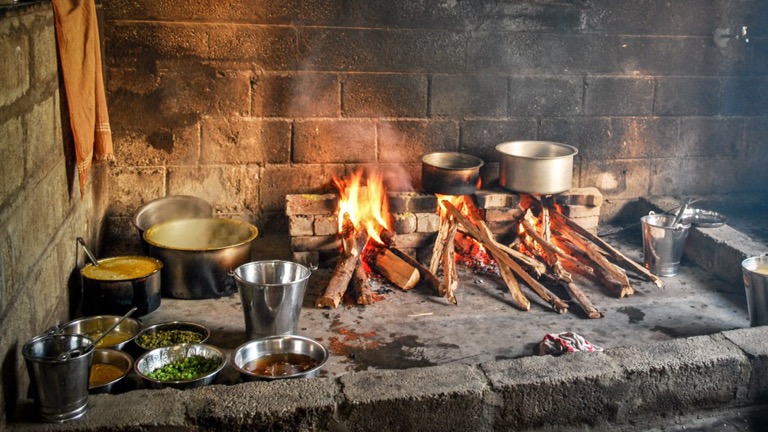
One of the oldest cooking methods still widely practiced is preparing meals over wood fires. Throughout rural Africa, meals are commonly cooked using three-stone fireplaces or traditional clay stoves fueled by firewood.
Wood-fire cooking offers several advantages:
- Rich, smoky flavor that cannot easily be recreated with electric or gas stoves
- Even heat suitable for long cooking periods
- Ability to prepare large meals for extended families
- Minimal dependence on modern infrastructure
Many beloved African dishes, including soups, stews, roasted meats, smoked fish, and grilled vegetables, develop their distinctive taste through slow cooking over open flames.
Although concerns about deforestation encourage more sustainable fuel alternatives, improved biomass stoves now combine traditional techniques with greater energy efficiency.
Clay Pot Cooking
Clay pots have been used for thousands of years and remain common in many African households. Unlike metal cookware, clay distributes heat gradually and evenly. This slow cooking process allows flavors to develop naturally while helping retain moisture.
Popular dishes prepared in clay pots include:
- Vegetable stews
- Bean dishes
- Rice meals
- Fish soups
- Slow-cooked meats
Because clay is naturally porous, food develops a unique texture that many cooks believe cannot be matched by stainless steel or aluminum cookware.
Clay cookware also requires relatively little oil, making it attractive for healthier cooking.
Mortar and Pestle: More Than a Kitchen Tool
Long before electric blenders and food processors, families relied on wooden or stone mortars and pestles to grind grains, pound roots, crush spices, and prepare sauces.
Across West Africa, pounding yam into smooth fufu remains an important culinary tradition. The rhythmic pounding often becomes a shared activity involving several family members.
Mortars and pestles are still widely used for preparing:
- Pepper sauces
- Spice mixtures
- Herbs
- Groundnuts
- Cassava
- Millet
- Sorghum
Hand pounding releases natural oils from ingredients differently than high-speed machines, often producing richer flavors and smoother textures.
Fermentation: Ancient Food Preservation
Fermentation represents one of humanity’s oldest food preservation techniques. Across Africa, naturally fermented foods remain dietary staples because they improve shelf life, digestibility, and nutritional value.
Examples include:
- Ogi (fermented maize porridge)
- Kenkey
- Injera
- Garri
- Fermented cassava products
- Various fermented dairy products
Beneficial microorganisms help preserve food while creating distinctive flavors and increasing the availability of certain nutrients.
Modern nutrition research has also highlighted the digestive benefits associated with many fermented foods due to their beneficial bacteria.
Smoking and Drying Foods
Before refrigeration became widespread, smoking and sun drying helped communities preserve food during abundant harvests or successful fishing seasons.
Smoked fish remains an essential ingredient in many West and Central African dishes. Similarly, dried meats, vegetables, and spices continue to play important roles in traditional cuisines.
These preservation methods provide several advantages:
- Longer storage life
- Reduced food waste
- Concentrated flavor
- Easier transportation
- Greater food security during dry seasons
Many families still maintain traditional smoking sheds or drying racks for seasonal food preservation.
Steaming with Natural Wrappers
Steaming food inside leaves remains common across many African cultures. Banana leaves, plantain leaves, maize husks, and other natural wrappers protect food during cooking while adding subtle aromas.
Examples include:
- Moi Moi wrapped in leaves
- Steamed cocoyam dishes
- Leaf-wrapped rice meals
- Traditional puddings
- Herbal preparations
Natural wrappers are biodegradable, environmentally friendly, and require no plastic packaging.
Slow Simmering for Rich Flavor
Many traditional recipes require patience rather than high temperatures. Soups such as egusi, groundnut soup, palm nut soup, and various meat stews are often simmered for extended periods.
Slow cooking allows:
- Tough meat fibers to soften naturally
- Spices to blend thoroughly
- Broths to develop deeper flavors
- Vegetables to absorb seasonings
Unlike rapid cooking, slow simmering creates layered flavors that become more pronounced over time.
Stone Grinding
Stone grinding remains important for producing flour from grains such as millet, sorghum, and maize. Traditional grinding stones allow communities to prepare fresh flour without industrial processing.
Freshly ground grains often retain more natural oils, contributing to richer taste and improved texture in breads, porridges, and traditional baked goods.
Although mechanical mills have become more common, stone grinding survives in many rural communities and cultural festivals.
Cooking as a Community Activity
Traditional cooking rarely happens in isolation. Preparing meals often involves multiple generations working together. Grandparents teach recipes, parents supervise, while children learn practical skills through observation and participation.
These shared experiences strengthen family bonds and preserve culinary knowledge that might otherwise disappear.
Community cooking is especially visible during:
- Weddings
- Festivals
- Naming ceremonies
- Religious celebrations
- Harvest festivals
- Funeral gatherings
The preparation process becomes just as meaningful as the meal itself.
Sustainability Through Traditional Knowledge
Many traditional cooking methods naturally align with modern sustainability goals. Communities historically minimized waste by using every edible part of plants and animals. Seasonal ingredients reduced transportation needs, while reusable clay pots, wooden utensils, and natural packaging minimized environmental impact.
These practices offer valuable lessons for contemporary food systems seeking to reduce waste and carbon emissions.
Reviving traditional techniques does not require rejecting modern technology. Instead, combining ancestral wisdom with modern efficiency can create more resilient and environmentally responsible kitchens.
Preserving Culinary Heritage for Future Generations
As younger generations migrate to cities and lifestyles become increasingly fast-paced, some traditional cooking skills face the risk of disappearing. Recording recipes, supporting local food festivals, encouraging intergenerational cooking, and promoting indigenous ingredients can help keep these traditions alive.
Many restaurants are also rediscovering heritage recipes, introducing diners to authentic cooking techniques that celebrate local cultures rather than replacing them with globalized food trends.
Schools, cultural organizations, and culinary institutions have an important role to play in documenting and teaching these practices so they remain relevant in the future.
Conclusion
Traditional cooking techniques endure because they offer far more than nourishment. They preserve history, celebrate cultural identity, strengthen communities, and demonstrate sustainable ways of living that remain relevant today. Whether it is cooking over a wood fire, fermenting grains, steaming food in leaves, or patiently simmering a family recipe, these methods connect generations through shared experiences and timeless flavors.
As the world embraces innovation, preserving traditional cooking practices ensures that invaluable knowledge is not lost. By appreciating and continuing these enduring techniques, we honor the creativity and resilience of those who came before us while enriching the meals and memories of future generations.




Leave a reply




Africa’s Source for Breaking News | Entertainments | Health | Finance | Sports | Lifestyle and Business News.


