
Traditional African Wedding Foods and Their Meanings
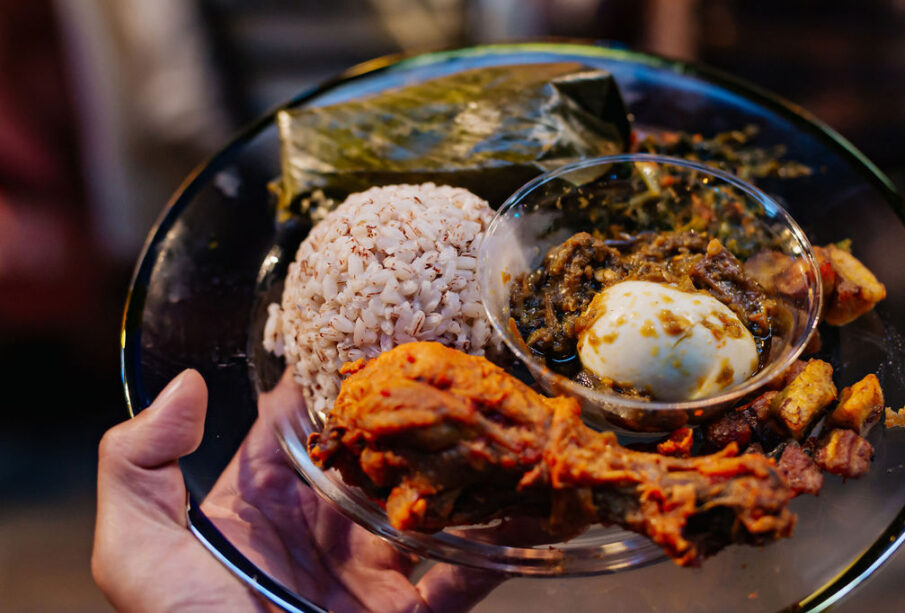
Traditional African Wedding Foods and Their Meanings
African weddings are more than celebrations of love between two people.
They often bring together families, communities, histories, and traditions. One of the most memorable parts of many African weddings is the food served during the celebration. From richly prepared rice dishes to traditional soups, grilled meats, fruits, drinks, and ceremonial delicacies, food can carry meanings that go far beyond taste.
Across the continent, wedding foods differ from one community to another. Ingredients, cooking methods, and ceremonies reflect local cultures and beliefs. In many cases, particular foods symbolize prosperity, fertility, unity, hospitality, strength, or a wish for a successful marriage.
Understanding these traditions provides a fascinating look at how African communities use food to celebrate important milestones.
The Role of Food in African Weddings
Food has always played an important social role across Africa. Sharing a meal can strengthen relationships, welcome visitors, and mark significant occasions.
During weddings, this role becomes even more important. Families may spend considerable time planning menus, purchasing ingredients, preparing traditional dishes, and deciding which foods should be served to guests.
The meal can also provide an opportunity for families from different backgrounds to introduce their traditions to one another. A wedding menu may therefore contain dishes from both families, creating a culinary representation of their union.
In some communities, certain foods are reserved for special occasions. Serving them at a wedding demonstrates the importance of the event and shows generosity toward guests.
Jollof Rice and Celebration
Jollof rice is one of West Africa’s best-known dishes and frequently appears at Nigerian and Ghanaian celebrations, including weddings.
Prepared with rice, tomatoes, peppers, onions, spices, and other ingredients, jollof rice can be served alongside chicken, beef, fish, fried plantain, or salads.
Although jollof rice does not have one universal wedding meaning across Africa, its presence at celebrations often represents abundance, hospitality, and communal enjoyment.
The large quantities prepared for weddings also reflect the importance of feeding guests generously. A successful celebration often includes enough food for family, friends, neighbours, and other invited guests.
Fufu and Traditional Soups
Across parts of West and Central Africa, various forms of fufu are served with traditional soups and stews.
Depending on the region, the staple may be made from cassava, yam, plantain, maize, or other ingredients. Soups can include vegetables, meat, fish, seafood, or locally available ingredients.
At weddings, these meals can represent cultural identity and continuity. Serving a traditional staple allows families to celebrate foods that have been passed from one generation to another.
The act of eating from a shared traditional meal can also reinforce ideas of togetherness and community.
Yam as a Symbol of Prosperity
Yam has significant cultural importance in several African societies, particularly in parts of West Africa.
In some communities, yam has historically been associated with wealth, farming success, strength, and food security. Its importance becomes particularly visible during festivals and other major celebrations.
Because marriage traditionally connects families and communities, foods associated with prosperity may hold special significance when served during wedding celebrations.
Yam dishes can take many forms, including pounded yam, boiled yam, fried yam, or yam-based preparations served with soups and sauces.
Honey and the Sweetness of Marriage
Honey has a natural association with sweetness, making it a fitting ingredient for celebrations of marriage.
In different African cultural settings, honey and other sweet foods may be used to express wishes for happiness, affection, peace, and a pleasant married life.
The symbolism is simple but powerful: just as honey is sweet, the couple’s life together should contain sweetness and joy.
Sweet foods may therefore appear alongside more substantial dishes during wedding celebrations, creating both culinary variety and symbolic meaning.
Palm Wine and Community Celebration
Palm wine has a long history in several African societies. It is traditionally obtained from palm trees and has been used during social gatherings, ceremonies, negotiations, and celebrations.
In some communities, palm wine can have ceremonial significance beyond being a beverage. It may appear during traditional marriage processes or family gatherings connected to marriage.
Its presence can represent hospitality and communal participation. However, customs surrounding palm wine vary considerably between communities, so its meaning should always be understood within the specific cultural context.
Meat and Generosity
Meat is an important part of many African wedding celebrations. Depending on the region and community, guests may be served chicken, goat, beef, lamb, mutton, or other locally preferred meats.
The preparation of meat for a large wedding can demonstrate the hosts’ willingness to provide generously for their guests.
In some communities, particular animals may also carry cultural significance. However, the symbolism differs widely across Africa, so it is important not to assume that one meaning applies everywhere.
Beyond symbolism, the communal sharing of meat reflects the importance of bringing people together around a meal.
Plantains and Abundance
Plantains are widely consumed in many African countries and can be prepared in several ways. They may be fried, boiled, grilled, roasted, or incorporated into other dishes.
At celebrations, fried or roasted plantains often accompany major meals.
Their association with abundance comes partly from their role as a plentiful and versatile food in many tropical regions. Including plantains in a wedding menu can also help connect the celebration to familiar everyday foods while giving the meal a distinctly local character.
Traditional Drinks and Hospitality
African wedding celebrations often feature a variety of traditional and modern beverages.
Depending on the location and cultural practices, guests may be offered drinks made from hibiscus, ginger, tamarind, baobab, fruits, or other local ingredients.
In Nigeria, for example, drinks such as zobo and kunu are popular at many celebrations. Other African communities have their own traditional beverages.
These drinks can communicate hospitality. Offering refreshments to guests is an important part of welcoming people and ensuring that they feel comfortable during the celebration.
Fruits and Fertility Symbolism
Fruits can also appear in wedding traditions because of their associations with fertility, growth, health, and abundance.
Pineapples, bananas, oranges, dates, watermelons, mangoes, and other locally available fruits may feature in wedding meals or decorative displays.
However, the meanings attached to individual fruits vary between cultures. In some traditions, certain fruits may have particular symbolic associations, while in others they are simply valued for their taste and availability.
Couscous and North African Wedding Traditions
In North Africa, couscous is an important part of culinary heritage and can feature prominently during celebrations.
Countries such as Morocco, Algeria, and Tunisia have rich couscous traditions, although preparation methods and customs differ by community.
Couscous can be served with vegetables, meat, chickpeas, and flavorful sauces. Because it is often prepared in large quantities, it works naturally as a communal celebration food.
Its presence at weddings can connect the celebration to family heritage and regional identity.
Ethiopian and Eritrean Wedding Foods
Ethiopian and Eritrean wedding celebrations can feature dishes such as injera served with various stews and vegetable preparations.
Injera is traditionally used to scoop up accompanying foods, creating a meal designed around shared eating.
Communal eating can reinforce the social character of a wedding. Guests gather around large shared platters, making the meal an extension of the celebration itself.
Dishes such as doro wat may also appear during important occasions, although specific wedding menus differ between families, regions, and religious communities.
East African Wedding Foods
East African wedding menus vary considerably across countries and communities. In Kenya, Tanzania, Uganda, and neighbouring regions, celebrations may feature rice dishes, chapati, nyama choma, stews, vegetables, pilau, and other local specialties.
Pilau, particularly, is an important celebratory dish in parts of East Africa. Fragrant rice prepared with spices and meat can be served at weddings and other major gatherings.
Such foods often carry the broader meaning of celebration, hospitality, and connection to regional culinary heritage.
Food as a Bridge Between Families
One of the most important meanings of wedding food is the connection it creates between families. Marriage often involves more than two individuals. It can bring together parents, siblings, relatives, friends, neighbours, and wider communities.
When families contribute dishes from their respective traditions, the wedding meal can become a culinary conversation between cultures.
A couple may choose to serve foods from both sides of their family. This approach creates an opportunity to celebrate differences while finding common ground around the shared experience of eating together.
Preserving African Culinary Heritage Through Weddings
Modern African weddings increasingly combine traditional and contemporary elements. International dishes, cakes, catering services, and modern presentation styles may appear alongside traditional foods.
This does not necessarily mean traditional cuisine is disappearing.
Instead, many couples are finding creative ways to preserve cultural foods while adapting them to modern celebrations. Traditional dishes may be presented in smaller portions, served as appetizers, incorporated into buffet menus, or redesigned for contemporary catering.
Weddings therefore provide an important opportunity to keep culinary traditions visible to younger generations.
Food Means More Than a Meal
Traditional African wedding foods demonstrate how closely food can be connected to culture, family, identity, and celebration.
A plate of jollof rice, a bowl of traditional soup, a serving of couscous, a shared platter of injera, or a traditional drink can carry memories and cultural meaning.
However, Africa is incredibly diverse, and no single interpretation applies to every community. The meaning of a particular food depends on the people, region, history, religion, and traditions surrounding it.
Ultimately, the most important message behind African wedding food is often the same: people coming together to celebrate a new beginning.
Whether the menu consists of traditional family recipes or a modern combination of cuisines, sharing food allows wedding guests to participate in the joy of the occasion. Every dish can become part of the story of the couple, their families, and the culture they carry forward.



Leave a reply







Africa’s Source for Breaking News | Entertainments | Health | Finance | Sports | Lifestyle and Business News.


