
Regional Food Cultures Across the Continent
Regional Food Cultures Across the Continent
Africa is a continent of extraordinary diversity, home to more than 1.4 billion people, thousands of ethnic groups, and countless languages.
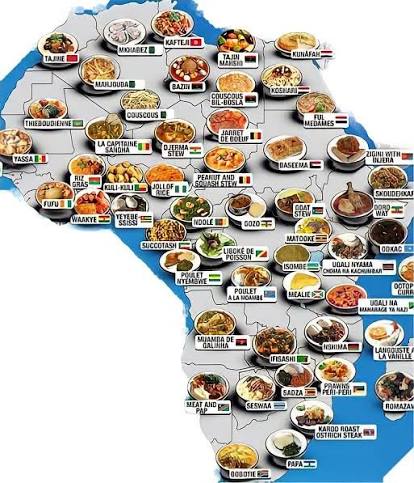
This diversity is reflected in its rich culinary traditions, where every region boasts distinctive ingredients, cooking methods, and food customs. From the aromatic spice markets of North Africa to the hearty stews of West Africa, the grilled meats of Southern Africa, and the banana-based dishes of East Africa, food serves as a powerful expression of culture, history, and community.
Regional food cultures across Africa are shaped by geography, climate, trade, migration, religion, and indigenous knowledge passed down through generations. Understanding these cuisines offers a deeper appreciation of the continent’s heritage and highlights the important role food plays in bringing people together.
The Factors That Shape African Food Cultures
Several elements have influenced regional cuisines throughout Africa:
- Climate and geography determine which crops thrive in each region.
- Traditional farming practices preserve indigenous food systems.
- Ancient trade routes introduced spices, grains, and cooking techniques.
- Religion influences dietary customs and festive meals.
- Colonial history contributed new ingredients and culinary adaptations.
- Cultural celebrations preserve traditional recipes across generations.
Together, these influences have created some of the world’s most diverse culinary landscapes.
North Africa: A Blend of Mediterranean and Desert Flavors
North African cuisine combines indigenous Berber traditions with Arab, Mediterranean, Ottoman, and African influences. Countries including Morocco, Algeria, Tunisia, Libya, and Egypt have developed cuisines known for their rich aromas and balanced spices.
Common Ingredients
- Couscous
- Wheat
- Olive oil
- Chickpeas
- Lentils
- Dates
- Almonds
- Citrus fruits
- Lamb
- Fresh herbs
Signature Dishes
Popular meals include:
- Couscous served with vegetables and meat
- Tagine slow-cooked in earthenware pots
- Harira soup
- Ful medames
- Shakshuka
- Grilled kebabs
Cultural Importance
Meals often symbolize hospitality. Families gather around shared platters, especially during religious celebrations and community events. Bread is considered sacred in many households and accompanies nearly every meal.
West Africa: Bold Flavors and Rich Traditions
West African cuisine is famous for vibrant spices, hearty soups, and energy-rich staples. Countries such as Nigeria, Ghana, Senegal, Côte d’Ivoire, Sierra Leone, and Mali showcase remarkable culinary diversity.
Staple Foods
- Yam
- Cassava
- Plantain
- Rice
- Millet
- Sorghum
- Maize
Popular Dishes
Well-loved regional meals include:
- Jollof rice
- Egusi soup
- Groundnut stew
- Fufu
- Banku
- Waakye
- Thieboudienne
- Moi moi
Cooking Techniques
Traditional cooking often involves:
- Slow simmering
- Smoking fish
- Grilling over charcoal
- Fermentation
- Palm oil cooking
- Clay pot preparation
Community and Food
Food is central to weddings, festivals, naming ceremonies, funerals, and harvest celebrations. Meals are often shared from common bowls, strengthening family bonds.
East Africa: Fresh Ingredients and Diverse Influences
East African food reflects centuries of interaction between African communities, Arab traders, Indians, and Europeans. Countries such as Kenya, Tanzania, Uganda, Ethiopia, Rwanda, Burundi, and Somalia each contribute unique flavors.
Key Ingredients
- Bananas
- Cassava
- Maize
- Beans
- Rice
- Coconut
- Millet
- Fresh vegetables
Popular Meals
Regional favorites include:
- Ugali
- Injera
- Doro wat
- Pilau rice
- Chapati
- Nyama choma
- Sukuma wiki
- Matoke
Coastal Cuisine
Along the Indian Ocean coast, dishes often feature:
- Coconut milk
- Seafood
- Cardamom
- Cinnamon
- Cloves
- Tamarind
Swahili cuisine beautifully illustrates centuries of international cultural exchange.
Central Africa: Forest Foods and Indigenous Ingredients
The rainforests of Central Africa provide abundant natural resources that influence local diets. Countries including Cameroon, the Democratic Republic of the Congo, the Republic of the Congo, Gabon, and the Central African Republic have cuisines rooted in forest agriculture.
Common Ingredients
- Cassava
- Plantains
- Palm nuts
- Groundnuts
- Leafy vegetables
- Freshwater fish
- Bush mango
- Mushrooms
Traditional Dishes
Popular foods include:
- Cassava fufu
- Palm nut soup
- Grilled fish
- Peanut stews
- Plantain dishes
- Smoked meats
Indigenous Knowledge
Communities possess extensive knowledge of edible forest plants, medicinal herbs, and sustainable harvesting techniques that have been practiced for centuries.
Southern Africa: Simplicity, Grilling, and Cultural Fusion
Southern African cuisine reflects indigenous traditions alongside Dutch, British, Indian, and Malay influences. Countries such as South Africa, Botswana, Namibia, Zimbabwe, Zambia, Lesotho, and Eswatini showcase varied culinary styles.
Staple Foods
- Maize meal
- Sorghum
- Beef
- Goat
- Wild game
- Beans
- Pumpkin
- Sweet potatoes
Signature Foods
Well-known dishes include:
- Pap
- Braai
- Biltong
- Bobotie
- Boerewors
- Sadza
- Mopane worms
- Vetkoek
Outdoor Cooking
Barbecuing, known as braai in South Africa, is both a cooking method and an important social tradition that brings families and communities together.
Indigenous Grains Making a Comeback
Across Africa, traditional grains are experiencing renewed popularity because of their nutritional value and resilience to climate change.
Important indigenous grains include:
- Fonio
- Millet
- Sorghum
- Teff
- Finger millet
These grains require less water than many imported crops while providing essential nutrients, making them valuable for food security.
The Role of Markets in Food Culture
Open-air markets remain the heart of African food systems.
Markets serve as places where people:
- Buy fresh produce
- Discover seasonal ingredients
- Learn traditional recipes
- Support local farmers
- Exchange cooking knowledge
- Preserve culinary traditions
Many famous regional dishes begin with ingredients sourced from local markets.
Festivals and Traditional Foods
Food plays a central role during cultural and religious celebrations throughout Africa.
Examples include:
- Harvest festivals
- Weddings
- Naming ceremonies
- Religious holidays
- New Year celebrations
- Community feasts
Many recipes are prepared only during these occasions and are carefully preserved as family traditions.
Modern Influences on African Cuisine
Urbanization, globalization, and technology are changing how people eat.
Emerging trends include:
- Fusion African cuisine
- Farm-to-table restaurants
- Healthy traditional meals
- Food delivery services
- Culinary tourism
- African street food festivals
- Digital recipe sharing
- Indigenous ingredient promotion
Young chefs across the continent are modernizing traditional recipes while preserving their cultural identity.
Challenges Facing Traditional Food Cultures
Despite growing interest, several challenges threaten culinary heritage:
- Climate change
- Loss of indigenous crops
- Urban migration
- Imported processed foods
- Changing lifestyles
- Declining intergenerational knowledge transfer
Protecting traditional recipes and farming practices is becoming increasingly important.
Why Regional Food Cultures Matter
Food is more than nourishment, it tells the story of a people. Regional cuisines preserve languages, histories, farming traditions, and cultural identities. They support local economies, encourage sustainable agriculture, and strengthen social connections through shared meals.
As African cuisine gains global recognition, there is growing appreciation for its diversity, innovation, and deep cultural roots. By celebrating regional food cultures, communities help ensure that traditional knowledge and culinary practices continue to thrive for future generations.
Conclusion
Regional food cultures across Africa are as varied as the landscapes from which they emerge. Each region offers unique ingredients, preparation methods, and culinary traditions shaped by centuries of history and cultural exchange. Whether enjoying the fragrant tagines of North Africa, the spicy stews of West Africa, the fermented breads of East Africa, the forest-inspired dishes of Central Africa, or the grilled specialties of Southern Africa, every meal reflects the resilience, creativity, and heritage of the people who prepare it.
As interest in African cuisine continues to grow worldwide, preserving these regional traditions will remain essential, not only for cultural identity but also for promoting sustainable agriculture, supporting local communities, and sharing the continent’s remarkable culinary heritage with the world.



Leave a reply





Africa’s Source for Breaking News | Entertainments | Health | Finance | Sports | Lifestyle and Business News.


