
Travel Experiences That Showcase African Heritage
Travel Experiences That Showcase African Heritage
Africa is more than a destination, it is the birthplace of humanity, home to thousands of cultures, hundreds of languages, and some of the world’s oldest civilizations.
Every region tells a story through its people, traditions, architecture, music, cuisine, and landscapes. For travelers seeking meaningful adventures, Africa offers experiences that go far beyond sightseeing. Instead of simply visiting famous attractions, heritage-focused travel allows visitors to connect with local communities, learn centuries-old customs, and appreciate the resilience and creativity that have shaped the continent. Moreover, these experiences help preserve cultural traditions while supporting local economies through responsible tourism.
Whether you’re exploring ancient cities, participating in colorful festivals, or learning traditional crafts from local artisans, every journey reveals another chapter of Africa’s remarkable story.
Why Heritage Travel Matters
Heritage tourism is about understanding the history, traditions, and identity of a place. It encourages travelers to appreciate the people behind the destinations rather than merely checking landmarks off a list.
In Africa, heritage travel helps to:
- Preserve historical sites and cultural traditions.
- Support local artisans, guides, and businesses.
- Promote cross-cultural understanding.
- Encourage sustainable tourism practices.
- Celebrate Africa’s diverse identities and histories.
As a result, visitors return home with deeper knowledge and lasting memories rather than just photographs.
Explore Ancient Kingdoms and Historic Cities
Africa is home to civilizations that flourished long before many modern nations were established. Walking through ancient cities allows visitors to witness architectural achievements, trade networks, and cultural exchanges that shaped world history.
Some remarkable destinations include:
- The rock-hewn churches of Ethiopia.
- Ancient desert trading cities in Mali.
- Historic medinas in North Africa.
- Ancient royal palaces in West Africa.
- Archaeological sites that reveal early human civilization.
Furthermore, guided tours often provide fascinating stories about kings, traders, scholars, and communities that once transformed these regions into centers of learning and commerce.
Attend Traditional Festivals
Festivals remain one of the best ways to experience African heritage firsthand. Across the continent, communities celebrate harvests, religious occasions, royal ceremonies, music, dance, and historical anniversaries.
During these celebrations, visitors may experience:
- Traditional drumming performances.
- Colorful ceremonial clothing.
- Indigenous dances.
- Local storytelling.
- Community feasts.
- Cultural processions.
Because many festivals have been celebrated for generations, attending one offers authentic insight into community values and traditions.
Visit Indigenous Villages
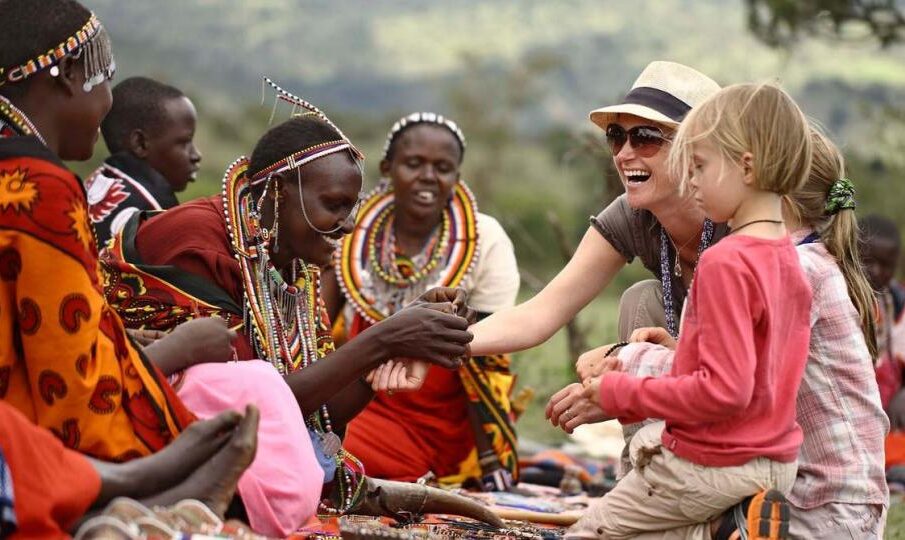
Many African communities continue to preserve customs passed down through generations. Visiting indigenous villages provides opportunities to learn directly from local residents about traditional lifestyles, architecture, farming methods, and craftsmanship.
Travelers may participate in activities such as:
- Basket weaving.
- Pottery making.
- Traditional cooking.
- Farming experiences.
- Herbal medicine demonstrations.
- Local music workshops.
However, respectful engagement is essential. Responsible tourism means seeking permission before taking photographs, respecting cultural practices, and supporting local businesses.
Discover Africa Through Its Cuisine
Food tells powerful stories about migration, trade, agriculture, and family traditions. Every African region has distinctive dishes influenced by local ingredients and historical exchanges.
Heritage food experiences include:
- Cooking classes with local families.
- Traditional market tours.
- Village food tastings.
- Indigenous spice experiences.
- Farm-to-table cultural meals.
- Street food adventures.
Additionally, learning how dishes are prepared often reveals fascinating cultural traditions surrounding hospitality and family life.
Explore Museums and Cultural Centers
Museums across Africa preserve priceless artifacts, artworks, historical records, and cultural collections that help visitors understand the continent’s rich heritage.
These institutions often feature:
- Ancient artifacts.
- Traditional clothing.
- Historical photographs.
- Musical instruments.
- Contemporary African art.
- Interactive cultural exhibitions.
Consequently, museum visits provide valuable context before exploring surrounding communities and historical landmarks.
Experience Traditional Music and Dance
Music is woven into daily life across Africa. It accompanies celebrations, ceremonies, storytelling, work, and religious practices.
Visitors can experience:
- Drum performances.
- Choral music.
- Traditional dance workshops.
- Instrument-making demonstrations.
- Community performances.
- Cultural storytelling through song.
Moreover, many cultural centers allow travelers to participate rather than simply observe, creating memorable and immersive experiences.
Follow Historical Trade Routes
Several ancient trade routes connected Africa with Europe, Asia, and the Middle East for centuries. Traveling along these routes reveals the continent’s influence on global commerce and cultural exchange.
Historic routes showcase:
- Ancient caravan towns.
- Coastal trading ports.
- Forts and castles.
- Historic marketplaces.
- Merchant architecture.
- Cultural fusion between communities.
These journeys demonstrate how trade helped spread ideas, technologies, religions, and artistic traditions across continents.
Learn Traditional Arts and Crafts
African craftsmanship reflects generations of creativity and cultural identity. Many artisans continue producing handmade works using techniques preserved for centuries.
Popular heritage workshops include:
- Wood carving.
- Textile weaving.
- Bead making.
- Leather crafting.
- Metalworking.
- Traditional painting.
Furthermore, purchasing directly from artisans helps sustain these valuable cultural industries.
Visit Sacred Natural Sites
Many landscapes across Africa hold deep spiritual significance. Mountains, forests, rivers, caves, and rock formations often serve as sacred places connected to local beliefs and ancestral traditions.
Guided cultural visits can explain:
- Traditional spiritual practices.
- Oral histories.
- Conservation traditions.
- Indigenous environmental knowledge.
- Sacred ceremonies.
- Community customs surrounding these sites.
Respecting local rules is particularly important when visiting spiritually significant locations.
Explore Living Heritage in Modern Cities
African heritage is not confined to museums or rural communities. Modern cities continue to celebrate their cultural identities through architecture, food, fashion, music, and creative industries.
Visitors can enjoy:
- Local art galleries.
- Cultural districts.
- Traditional food markets.
- Fashion exhibitions.
- Live music venues.
- Community heritage tours.
As cities evolve, they continue blending tradition with innovation in exciting ways.
Practice Responsible Heritage Tourism
Travelers play an important role in preserving Africa’s cultural heritage.
Before traveling, remember to:
- Respect local customs.
- Dress appropriately where required.
- Hire local guides.
- Support locally owned businesses.
- Purchase authentic handmade crafts.
- Avoid damaging historical sites.
- Learn a few local greetings.
- Ask permission before photographing people.
These small actions help ensure that heritage tourism benefits local communities while protecting traditions for future generations.
The Future of African Heritage Tourism
Interest in cultural tourism continues to grow across Africa. Governments, local organizations, and communities are investing in heritage preservation, museum development, cultural festivals, and sustainable tourism initiatives.
Digital technology is also helping preserve oral histories, languages, and historical records while making African heritage more accessible to international audiences. Consequently, travelers have more opportunities than ever to engage with authentic cultural experiences.
Conclusion
Africa’s heritage is a living legacy expressed through its people, traditions, landscapes, music, food, and history. Every journey across the continent offers opportunities to learn, connect, and appreciate cultures that have shaped humanity for thousands of years.
Rather than rushing from one attraction to another, heritage travel invites visitors to slow down, listen to local stories, participate in community traditions, and experience Africa through the eyes of its people. In doing so, travelers gain not only unforgettable memories but also a deeper understanding of one of the world’s most culturally diverse continents.
Whether you explore ancient cities, attend vibrant festivals, taste traditional cuisine, or learn crafts from skilled artisans, every experience contributes to preserving Africa’s extraordinary cultural heritage while creating meaningful connections that last long after the journey ends.




Leave a reply





Africa’s Source for Breaking News | Entertainments | Health | Finance | Sports | Lifestyle and Business News.


