
Ethiopian Festivals Every African Should Experience
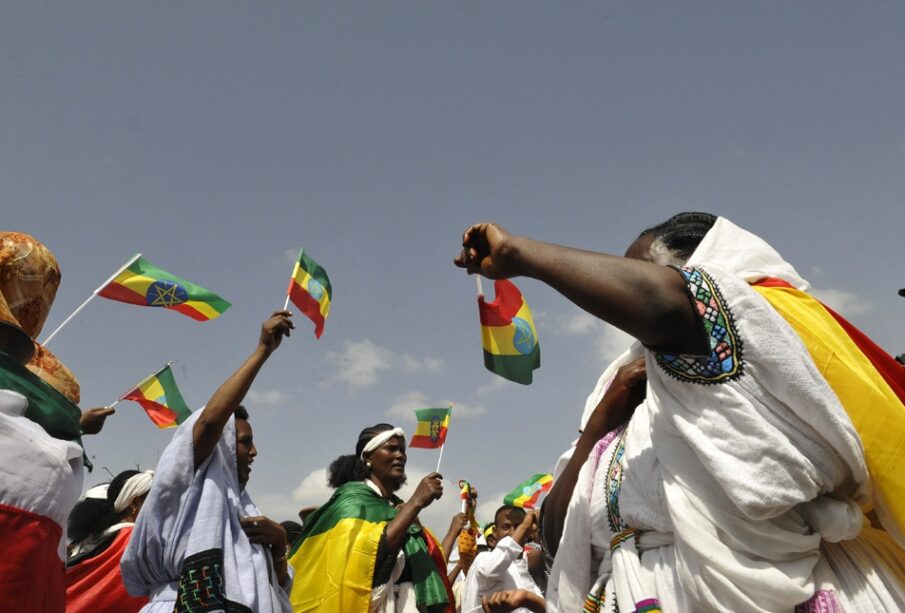
Ethiopian women sing aand dance as they mark 20 years in power of the Ethiopian People's Revolutionary Front (EPRDF) on May 28,2011 toppling the regime of dictator Mengistu Haile Mariam.Tens of thousands of flag-waving supporters swarmed Addis Ababa's main square to listen to Prime Minister Meles Zenawi, who promised to finish the building of a dam on the Blue Nile, a project that has put Ethiopia at odds with Egypt. AFP PHOTO/SIMON MAINA (Photo credit should read SIMON MAINA/AFP/Getty Images)
Ethiopia offers some of Africa’s most fascinating cultural experiences, from colourful religious processions and ancient ceremonies to harvest celebrations filled with music, dance and traditional clothing. Festivals such as Timkat, Meskel, Enkutatash, Irreechaa and Ashenda reveal the country’s remarkable cultural diversity and deep historical roots. For African travellers seeking more than sightseeing, these celebrations provide opportunities to understand local traditions, experience Ethiopian hospitality and connect with communities through food, music, faith and shared history. Although some festivals follow Ethiopia’s calendar and their dates change each year on the Gregorian calendar, careful planning can help visitors experience them respectfully and comfortably.
Why Ethiopia’s Festivals Deserve a Place on Your Travel List
Ethiopia has a distinctive cultural identity shaped by its diverse communities, religious traditions, languages and long history. Its festivals reflect this diversity. Some celebrate Christian religious events, others mark the beginning of a new year, while traditional celebrations express gratitude, community solidarity and connections to the natural world.
Unlike events designed exclusively for tourists, many Ethiopian festivals remain meaningful occasions for local communities. Visitors may encounter families travelling to ancestral homes, worshippers gathering at churches, young people performing traditional songs and communities preparing special meals.
For African travellers, these experiences can also challenge familiar assumptions about the continent’s cultures. Ethiopia’s traditions are not identical to those of West, Central or Southern Africa. Exploring them provides an opportunity to appreciate the different ways African communities preserve history, express spirituality and celebrate collective identity.
1. Timkat: Ethiopia’s Spectacular Epiphany Celebration
Timkat, also known as Ethiopian Epiphany, is one of Ethiopia’s most recognisable religious festivals. The celebration commemorates the baptism of Jesus Christ in the Jordan River and holds particular significance for followers of the Ethiopian Orthodox Tewahedo Church.
Timkat usually takes place in January. Celebrations often extend across several days and feature processions, prayer, singing and colourful religious garments.
A central feature is the procession of the Tabot, a sacred object representing the Ark of the Covenant in Ethiopian Orthodox tradition. Churches carry their Tabots in ceremonial processions, accompanied by clergy, worshippers, music and umbrellas decorated in bright colours. The objects are treated with profound reverence.
In places such as Gondar, large crowds gather around historic religious sites and ceremonial pools. The following day’s observances may include blessings and the return of the Tabots to their churches.
Why experience it: Timkat provides a remarkable introduction to Ethiopia’s Orthodox Christian heritage, ceremonial music and communal worship. Its atmosphere combines solemn religious observance with extraordinary public celebration.
Travel tip: Book accommodation early in popular destinations, particularly Gondar. Dress modestly, follow instructions from religious officials and ask before photographing worshippers or sacred ceremonies.
2. Meskel: The Festival of the Finding of the True Cross
Meskel is another major Ethiopian Orthodox Christian celebration. Observed in September, it commemorates the discovery of the True Cross according to Christian tradition.
The festival is particularly associated with the Demera ceremony, during which communities gather around a large structure of wooden poles and branches decorated with flowers. Participants assemble to pray, sing and witness the lighting of the ceremonial bonfire.
Addis Ababa hosts prominent celebrations, although Meskel is also observed in other parts of the country. The event brings together religious symbolism, traditional music, colourful clothing and public gatherings.
For visitors, the evening ceremony offers an opportunity to witness how religious belief and community participation come together in Ethiopian public life. The fire and accompanying celebrations create a striking spectacle, but their significance goes beyond visual entertainment.
Why experience it: Meskel helps travellers understand Ethiopia’s Christian heritage and the importance of collective ritual in preserving religious identity.
Travel tip: Arrive early at major celebration sites and follow crowd-control instructions. Keep a respectful distance from the bonfire and avoid obstructing participants who are attending for religious reasons.
3. Enkutatash: Celebrate the Ethiopian New Year
Enkutatash marks the Ethiopian New Year and usually falls on 11 September, or 12 September in a Gregorian leap-year context. The exact date should be checked against the relevant year’s calendar.
Ethiopia follows its own calendar system, which has twelve months of thirty days and a thirteenth month containing five or six days. Consequently, the Ethiopian year number differs from the Gregorian year.
Enkutatash often coincides with the end of the rainy season and the appearance of fresh flowers across parts of the country. Families gather, exchange greetings, prepare festive meals and welcome a new beginning.
Children may sing traditional songs and give flowers to relatives or neighbours. Communities also organise religious services and other celebrations.
For African visitors accustomed to celebrating the New Year on 1 January, Enkutatash offers a different perspective on time, tradition and renewal.
Why experience it: The festival combines family gatherings, seasonal beauty and cultural traditions. It can be a rewarding choice for travellers who want to experience everyday Ethiopian hospitality alongside public festivities.
Travel tip: Ask your hosts about local customs and join family or community activities when invited. Since the celebrations occur nationwide, visitors can choose destinations based on their interests rather than concentrating exclusively on the capital.
4. Irreechaa: A Celebration of Gratitude and Renewal
Irreechaa is an important Oromo thanksgiving festival associated with gratitude, renewal and appreciation of life. It is particularly linked to the Oromo traditional belief system, Waaqeffannaa, and is celebrated in different communities according to local customs.
The major celebrations around Bishoftu, near Addis Ababa, attract large numbers of participants. Celebrants may wear traditional clothing, carry fresh grass and flowers, sing, dance and gather near bodies of water.
Water and greenery feature prominently in the symbolism of the celebration. Participants express gratitude for life, peace, nature and the opportunities associated with a new season.
Irreechaa also demonstrates the significance of Oromo cultural identity, one of Ethiopia’s major cultural traditions. However, practices may vary between communities, and visitors should not assume that every celebration follows precisely the same format.
Why experience it: Irreechaa provides insight into Indigenous African spiritual traditions and the relationship between community, gratitude and the natural environment.
Travel tip: Confirm the date and location with reliable local sources before travelling. Large gatherings can create transport and accommodation pressures, so plan your journey carefully and follow guidance from organisers.
5. Ashenda: A Festival Celebrating Girls and Young Women
Ashenda is a traditional celebration associated with communities in northern Ethiopia, particularly Tigray and parts of the Amhara region. Related celebrations may be known by different names, including Ashendiye and Shadey, depending on the community.
The festival usually occurs in August and is associated with the period following a religious fasting season. It is particularly known for bringing girls and young women into the centre of public celebration.
Participants wear colourful traditional clothing, decorate themselves with flowers and perform songs and dances. Groups may move through neighbourhoods, visiting homes and celebrating together.
Ashenda is an opportunity to observe how music, dress, community participation and intergenerational traditions help preserve cultural identity. It also offers a different perspective on celebrations that give young women visible roles in public cultural life.
Why experience it: Ashenda is especially appealing to travellers interested in traditional music, clothing, gender and community, and the ways younger generations preserve heritage.
Travel tip: Check local travel conditions before visiting northern Ethiopia. Security conditions can change, and cultural interest alone should not override current travel advisories. Seek local guidance and respect community preferences about photography.
6. Fichee-Chambalaalla: The Sidama New Year
Fichee-Chambalaalla is the traditional New Year celebration of the Sidama people. Recognised by UNESCO as part of the Intangible Cultural Heritage of Humanity, the festival reflects the community’s cultural knowledge, social relationships and historical traditions.
The celebration is linked to the story of a Sidama woman who traditionally visited her parents and relatives after marriage, bringing a special food known as buurisame. Over time, this tradition became associated with a wider annual celebration.
Fichee-Chambalaalla includes gatherings, traditional food, songs and exchanges that reinforce family and community bonds. Elders and knowledgeable community members play important roles in transmitting cultural practices and determining aspects of the celebration.
Its date is established through traditional knowledge, so visitors should not assume that it falls on the same Gregorian date every year.
Why experience it: The festival offers a valuable opportunity to learn about Sidama heritage, traditional food and the cultural importance of family relationships.
Travel tip: Contact local tourism offices or community representatives to confirm the date and identify appropriate visitor activities. Remember that some aspects of the festival are community-centred rather than performances intended for tourists.
7. Genna: Ethiopian Christmas
Genna is the Ethiopian Orthodox Christmas celebration, observed on 7 January in the Gregorian calendar. The date reflects the church calendar used for the celebration.
The occasion includes church services, prayer, family gatherings and festive meals. In some communities, worshippers attend services during the night or early morning, creating a distinctive atmosphere around churches.
Traditional white garments are common during religious observances. Visitors may also encounter special foods and community gatherings that reflect local customs.
Genna is not simply a public holiday. For many Ethiopian Orthodox Christians, it is a deeply meaningful religious occasion.
Why experience it: Travellers can gain insight into Ethiopian Christianity, family traditions and the relationship between worship and community life.
Travel tip: If attending a church service, dress modestly, observe local rules and ask permission before taking photographs. Check transport and accommodation arrangements in advance, as holiday schedules may differ from ordinary operating hours.
How to Plan a Festival Trip to Ethiopia
Choosing the right festival is only the beginning. A successful trip requires attention to dates, transport, accommodation, local customs and current travel conditions.
Confirm dates before booking. Several festivals follow Ethiopian calendar calculations or traditional methods of determining dates. Consult reliable local sources and official tourism information before purchasing flights.
Choose your destination carefully. Addis Ababa offers access to major national celebrations, while Gondar is closely associated with Timkat. Bishoftu is a prominent destination for Irreechaa, and Sidama communities are central to Fichee-Chambalaalla.
Respect religious and cultural boundaries. Ask before photographing individuals, ceremonies or sacred objects. Follow instructions from organisers and avoid treating worshippers as performers.
Plan for crowds. Popular festivals attract large gatherings. Reserve accommodation early, establish reliable transport arrangements and keep essential documents secure.
Check current travel advice. Conditions can vary between regions. Review official advisories, local transport updates and guidance from reputable travel providers before setting out.
Budget realistically. Consider transport, accommodation, meals, local guides and admission charges where applicable. Avoid assuming that every celebration is free or that every event offers organised tourist facilities.
Frequently Asked Questions
What is the best festival to experience in Ethiopia? Timkat is an excellent choice for travellers interested in religious processions, while Meskel offers a distinctive bonfire ceremony. Irreechaa and Fichee-Chambalaalla are particularly valuable for visitors interested in Indigenous cultural traditions.
When is the best time to visit Ethiopia for festivals? January is suitable for Timkat and Genna, September for Enkutatash and Meskel, and August for Ashenda. Irreechaa and Fichee-Chambalaalla follow their own calendar arrangements, so confirm dates before booking.
Can international visitors attend Ethiopian festivals? Many public celebrations welcome visitors, but access to particular religious spaces or ceremonies may be restricted. Follow local guidance and respect community rules.
Are Ethiopian festivals only religious? No. Although religion plays an important role in several major celebrations, festivals also express cultural identity, seasonal change, family relationships, gratitude and community solidarity.
Final Thoughts
Ethiopia’s festivals reveal a country whose cultural traditions are both diverse and deeply rooted. From the religious processions of Timkat and the fires of Meskel to the gratitude expressed during Irreechaa, each celebration offers a different way to understand Ethiopian life. Fichee-Chambalaalla, Ashenda, Enkutatash and Genna add further dimensions through family traditions, music, food and spirituality. For African travellers, attending these festivals can be more than a holiday activity. It can be an opportunity to appreciate the continent’s cultural diversity, learn from local communities and build a deeper connection with African heritage.




Leave a reply






Africa’s Source for Breaking News | Entertainments | Health | Finance | Sports | Lifestyle and Business News.


