
Nigerian Christmas Menu: 15 Dishes That Make the Season
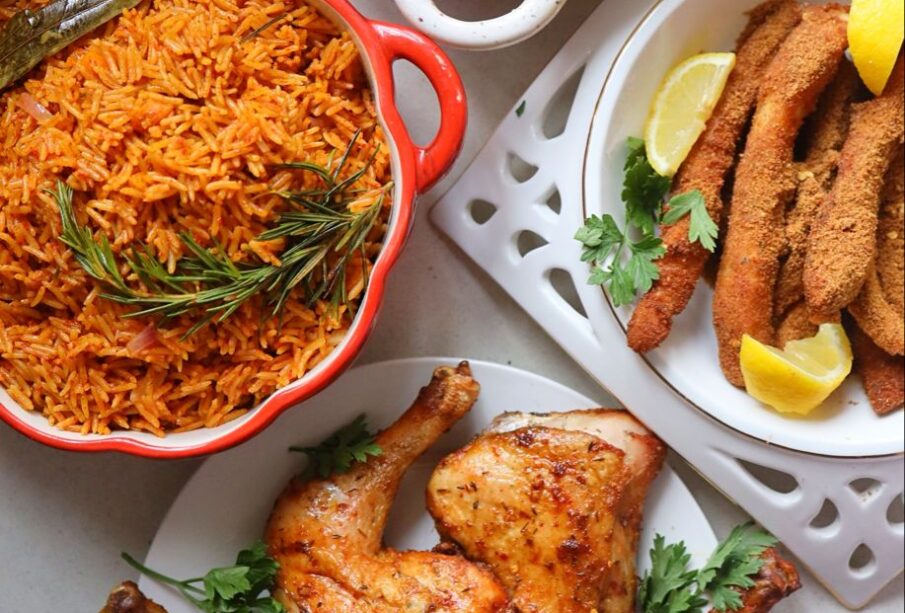
15 Nigerian Christmas Dishes for 2026
Christmas in Nigeria is a celebration of family, generosity, music and food.
From steaming pots of jollof rice to spicy pepper soup and freshly fried puff-puff, the festive table brings people together. Whether you are hosting relatives, organising a family gathering or preparing a simple Christmas meal, choosing your menu early can make the celebration more enjoyable and affordable.
You do not need to cook all 15 dishes listed below. Instead, select a balanced combination of rice, proteins, sides, snacks and drinks that suits your budget, guest list and cooking arrangements.
KEY DATES: CHRISTMAS 2026
- Christmas Eve: Thursday, 24 December 2026
- Christmas Day: Friday, 25 December 2026
- Boxing Day: Saturday, 26 December 2026
- Planning reminder: Start menu and budget planning in October or November. Confirm food prices, guest numbers and shopping arrangements closer to the celebration.
Christmas Day falls on Friday, 25 December 2026. Check official announcements closer to the date for any additional public-holiday arrangements.
15 Nigerian Christmas Dishes to Consider
1. Nigerian Jollof Rice
Jollof rice deserves a place on many Nigerian Christmas tables. Its rich tomato and pepper base, fragrant seasoning and appealing colour make it suitable for family meals, parties and larger gatherings.
You can prepare it with long-grain parboiled rice, tomatoes, peppers, onions, stock and seasonings. Adjust the heat to suit your guests, especially when children or people who prefer mild food will be eating.
For a large gathering, calculate the rice quantity based on the number of guests and the other dishes being served. Jollof rice paired with several filling sides may require a smaller portion per person than a menu with only one main dish.
2. Fried Rice
Fried rice offers a colourful alternative to jollof. Carrots, green beans, sweetcorn, peas and other suitable vegetables add texture and variety.
Some households serve it alongside jollof rice, while others choose one rice dish to control spending. If you prepare both, plan portions carefully so that you do not cook more than your guests can reasonably consume.
Prepare vegetables hygienically and avoid leaving cooked rice at room temperature for long periods. Refrigerate leftovers promptly and reheat them thoroughly before serving.
3. Coconut Rice
Coconut rice adds a distinctive flavour to a festive menu. Depending on the recipe, it combines rice with coconut milk, aromatics and seasoning.
It works well for households that want something different from the familiar tomato-based rice dishes. You can serve it with grilled chicken, fish or vegetables.
Because coconut milk contributes richness, consider pairing the dish with lighter sides. Taste and adjust the seasoning as the rice cooks, since coconut flavour can vary depending on the product used.
4. Ofada Rice and Ayamase Sauce
Ofada rice with ayamase, often called designer stew, offers a bold option for guests who enjoy traditional Nigerian flavours.
The sauce commonly features green peppers, onions, palm oil and assorted proteins, although recipes differ between households. Its richness and heat can make it a satisfying centrepiece for a smaller festive meal.
If you are serving guests unfamiliar with the dish, offer the sauce separately. That way, everyone can control the amount and level of heat on their plate.
5. Fried Chicken
Fried chicken is a familiar favourite at many Nigerian celebrations. Its crisp exterior and savoury seasoning make it an easy companion for rice, yam and other sides.
For a large group, calculate the number of pieces needed before shopping. Decide whether every guest will receive one piece or whether chicken will be served alongside other proteins.
Cook poultry thoroughly and avoid reusing raw-chicken marinades as a serving sauce unless they have been cooked safely.
6. Grilled Chicken
Grilled chicken offers an alternative to deep-fried poultry. A marinade made with suitable spices, onions, garlic and other ingredients can produce a flavourful result.
You can prepare it in an oven, grill or other suitable equipment. Cooking time depends on the size of the pieces and the method used, so check that the thickest parts are fully cooked.
For gatherings, grilling in batches may be easier than trying to cook every piece at once. Keep cooked chicken hot for serving or refrigerate it promptly if you prepare it ahead.
7. Nigerian Peppered Turkey
Peppered turkey is popular on many festive menus because it combines a substantial protein with a spicy sauce.
You can roast or fry the turkey before coating it with a pepper mixture. Adjust the quantity of oil and pepper to suit your household’s preferences.
Turkey may cost more than some other proteins, depending on the market and season. If it is central to your Christmas menu, compare prices early and confirm the size you need before making a purchase.
8. Beef and Assorted Meat
Beef and assorted meat can enrich jollof rice, fried rice, soups and stews. Different cuts offer different textures and cooking requirements.
Before buying, decide how the meat will be used. Meat intended for stew may need a different cut from meat you plan to grill or fry.
For large orders, confirm the weight, cut and quality with the seller. Store raw meat safely and keep it separate from ready-to-eat food.
9. Goat Meat Pepper Soup
Goat meat pepper soup is a warming option for family visits and evening gatherings. Its spicy broth and aromatic seasoning make it especially appealing to guests who enjoy bold flavours.
The dish can be served as a starter or as part of a wider meal. If you are preparing it for children or guests who prefer mild food, make the pepper level adjustable.
Goat meat can require a longer cooking time than more tender cuts of meat. Plan accordingly so that you are not trying to finish a large pot while guests are arriving.
10. Nigerian Moi Moi
Moi moi brings beans, peppers, onions and seasoning together in a soft, savoury dish. It works as a side for rice or as part of a more varied menu.
You can prepare it in individual portions or larger containers, depending on the method and serving arrangements. Some recipes include eggs, fish or other fillings.
If you plan to serve moi moi to a large group, prepare a test batch first. This helps you check the texture and seasoning before committing all your ingredients.
11. Nigerian Jollof Spaghetti
Jollof spaghetti is a useful alternative for children, casual gatherings and households that want a familiar dish without preparing another pot of rice.
Cook the spaghetti according to the packet instructions, then combine it with a properly prepared tomato and pepper sauce. Vegetables, chicken or other suitable additions can make the dish more substantial.
Because pasta can absorb sauce as it stands, avoid preparing it too early if you want to preserve its texture. Store leftovers safely and reheat them thoroughly.
12. Pounded Yam and Egusi Soup
For families who prefer traditional swallows, pounded yam and egusi soup can make Christmas lunch feel complete.
Egusi soup varies from household to household. It may include leafy vegetables, assorted meat, fish and different combinations of seasoning.
If you are feeding a crowd, consider the time and equipment needed to prepare the meal. You can simplify the menu by choosing one soup and one swallow rather than preparing several heavy dishes.
13. Fried Plantain
Fried plantain adds sweetness and colour to a festive plate. It pairs well with rice, beans, grilled meat and several Nigerian stews.
Choose plantains according to the result you want. Riper plantains generally taste sweeter, while firmer ones hold their shape more easily during frying.
Slice them evenly so they cook at a similar rate. If you are serving a large group, fry in batches and avoid overcrowding the pan.
14. Nigerian Puff-Puff
Puff-puff is a familiar party snack that works well for Christmas visits, children’s gatherings and informal celebrations.
The basic mixture combines flour, yeast, sugar, water and other ingredients according to the recipe. Allow enough time for the dough to rise before frying.
Puff-puff is best served fresh. Prepare a quantity that matches your expected guests rather than making a huge batch simply because the ingredients are inexpensive.
15. Zobo, Chapman and Other Festive Drinks
A festive menu needs suitable drinks, and Nigerian households have plenty of options. Zobo, Chapman, fruit drinks and non-alcoholic punches can complement a meal.
Prepare drinks using clean water, safe ingredients and clean containers. Keep perishable drinks chilled when necessary, and label any ingredients that guests may need to avoid.
You do not need a long drinks list. Two or three options, including water, may be sufficient for a family gathering.
A Practical Christmas Menu Checklist
A successful Christmas meal begins with realistic planning. Use this checklist to organise your preparation.
Four to Six Weeks Before Christmas
- Estimate how many people will attend.
- Set a food budget that leaves room for other festive expenses.
- Choose your main dishes and sides.
- Ask about dietary needs and food allergies.
- Decide which dishes you will cook yourself and which you may order.
- Compare prices for major ingredients.
- Arrange help with shopping, cooking or serving where needed.
Two to Three Weeks Before Christmas
- Buy suitable non-perishable ingredients when storage conditions allow.
- Confirm orders with caterers or food vendors.
- Check cooking equipment, serving plates and storage containers.
- Plan refrigerator and freezer space.
- Decide which ingredients can be prepared or stored ahead safely.
One Week Before Christmas
- Confirm guest numbers.
- Review the menu and quantities.
- Buy suitable fresh ingredients.
- Prepare a cooking timetable.
- Check that you have sufficient clean water, cooking gas or other fuel.
- Arrange transport for large food purchases if necessary.
Christmas Eve and Christmas Day
- Prepare ingredients in the order required.
- Keep raw meat and poultry separate from ready-to-eat food.
- Cook food thoroughly.
- Keep hot dishes hot and refrigerate perishable leftovers promptly.
- Label dishes where allergens or special ingredients may concern guests.
- Delegate serving, cleaning and other tasks instead of doing everything alone.
How to Keep Christmas Food Costs Under Control
Food prices can change between the planning stage and Christmas week. Start with a budget and prioritise dishes that matter most to your household.
Choose two main dishes rather than preparing every possible rice option. Combine them with one or two proteins, a vegetable or bean-based side, snacks and drinks.
You can also compare the cost of buying ingredients individually with the cost of buying selected food items in bulk. For suitable households, restaurants or groups, Easer’s bulk food-sharing service offers a way to explore shared purchases of selected staples and food items. Confirm the current items, prices, quantities and availability before making plans.
Bulk purchasing works best when you have enough storage and a clear idea of what your household will use. A lower unit price is not a saving if food spoils before you can consume it.
Make This Christmas Memorable, Not Exhausting
A memorable Nigerian Christmas menu does not need 15 dishes on one table. It needs food your guests enjoy, quantities that match the occasion and a plan that protects your budget and energy.
Choose your favourites, shop thoughtfully and prepare what you can in advance. Most importantly, leave room to enjoy the celebration with the people you love.
Frequently Asked Questions
1. What food is commonly eaten in Nigeria at Christmas?
Popular choices include jollof rice, fried rice, chicken, turkey, assorted meat, moi moi, fried plantain, pepper soup and festive snacks. Menus vary by family, region and budget.
2. When should I start planning my Nigerian Christmas menu?
Start planning in October or November. This gives you time to set a budget, compare prices and arrange any bulk purchases or catering.
3. How can I feed a large family without overspending?
Choose a few filling dishes, estimate portions, compare prices and avoid buying more ingredients than you can use. Shared purchases may help when the quantities and storage arrangements make sense.
4. Can I cook Christmas food the day before?
Some preparation can be done ahead, but storage matters. Refrigerate perishable ingredients and cooked dishes promptly, keep raw foods separate and reheat leftovers thoroughly.
5. How often should this Christmas menu guide be updated?
Review it in December 2026 to confirm current ingredient prices, product availability, catering information and any relevant holiday announcements.
Short SEO Title:
Meta Description:
Keywords:
Tags:




Leave a reply




Africa’s Source for Breaking News | Entertainments | Health | Finance | Sports | Lifestyle and Business News.


