
How to Make Long-Distance Relationships Work
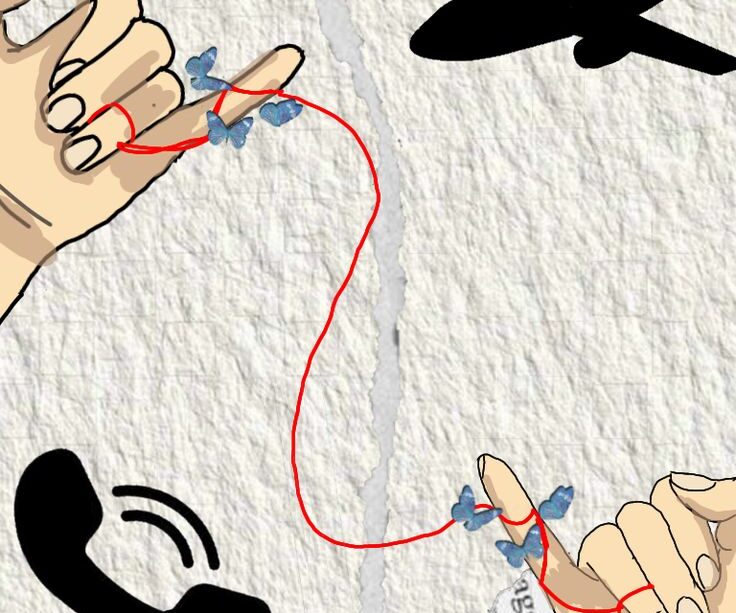
How to Make Long-Distance Relationships Work
Long-distance relationships can survive and grow when partners communicate honestly, build trust, share expectations and make realistic plans for the future.
Distance may complicate everyday intimacy, but it does not automatically make a relationship weaker. What matters is how both people respond to the challenges, maintain connection and handle uncertainty.
For many couples, the distance exists because of work, education, migration, family responsibilities or opportunities abroad. One partner may live in Nigeria while the other studies in the United Kingdom, works in Canada or builds a career in another African country. Different time zones, travel costs and busy schedules can make even a simple conversation difficult.
Still, a relationship can feel emotionally close across borders when both partners make a consistent effort. The goal is not to eliminate every difficulty. It is to create a relationship in which both people feel respected, included and secure.
1. Agree on What the Relationship Means
Before building routines, discuss what each of you expects from the relationship. Couples sometimes assume they share the same understanding of commitment when they have never clearly discussed it.
Talk about exclusivity, communication, boundaries, friendships, social activities and the role of family. If one partner considers daily calls essential while the other prefers a few meaningful conversations each week, unspoken expectations can become a source of conflict.
Avoid treating one person’s preference as the universal standard. Instead, explain what helps each of you feel connected and listen to the other person’s needs.
You may not agree on everything immediately. That is normal. What matters is reaching arrangements that feel fair and revisiting them when circumstances change.
2. Create a Communication Routine That Works for Both of You
Communication is central to a long-distance relationship, but more messages do not always mean better communication.
One partner may work night shifts while the other follows a regular daytime schedule. Another couple may have only a small window for a call because of childcare, school or family responsibilities.
Discuss when you are usually available and establish a realistic routine. You might schedule a longer call several times a week and use voice notes or messages for quick updates in between.
Keep the arrangement flexible. If a partner cannot attend a planned call, they should communicate as soon as reasonably possible and suggest another time.
Most importantly, focus on the quality of your conversations. Ask about each other’s feelings, concerns and daily experiences instead of limiting every interaction to a quick report of what happened.
3. Learn to Handle Time-Zone Differences
Time zones can create practical frustration. A message sent during one person’s lunch break may arrive when the other person is asleep.
Use a shared calendar or agree on a few suitable times for calls. When schedules change because of daylight-saving time or travel, confirm the new time rather than assuming you both have the same clock.
Do not interpret every delayed reply as a lack of love. Someone may be working, sleeping, travelling or managing a situation they cannot immediately explain.
At the same time, repeated unexplained disappearances can reasonably affect trust. Discuss communication patterns openly instead of allowing resentment to accumulate.
A useful agreement might be that neither person must answer immediately, but both should communicate when they expect to be unavailable for an extended period, where practical.
4. Build Trust Without Turning the Relationship into Surveillance
Trust grows through honesty, consistency and respect. It does not grow through constant monitoring.
Couples may feel tempted to demand passwords, check online status repeatedly or insist on video calls to prove where the other person is. These behaviours may offer temporary reassurance, but they can also create fear and resentment.
Instead, discuss the behaviours that help each of you feel secure. Keep commitments, be honest about relevant situations and address misunderstandings before they become larger disputes.
If trust has been damaged, acknowledge what happened and identify what repair would require. Rebuilding trust may take time, and both partners need to participate willingly.
No one should have to surrender all privacy to prove commitment. Healthy boundaries allow both people to maintain individual lives while remaining accountable to the relationship.
5. Create Shared Experiences Across Borders
A relationship needs more than updates about work and daily responsibilities. Shared experiences help couples build memories even when they cannot be physically together.
You might watch a film at the same time, cook the same meal during a video call, play an online game or read a book together. Some couples exchange photographs, record voice notes or create playlists that remind them of important moments.
Small rituals can be especially valuable. A weekly virtual date or a regular conversation about personal goals gives both partners something to anticipate.
These activities do not have to be expensive. A thoughtful conversation can be more meaningful than a costly online gift.
The aim is to create a sense of participation in each other’s lives rather than feeling like two people who only report their activities to one another.
6. Discuss Money and Visits Honestly
Travel can be one of the most expensive parts of a cross-border relationship. Flights, accommodation, visas, transport and time away from work can place pressure on both partners.
Discuss how often visits are realistic and how you will share the costs. Fairness does not always mean splitting every expense equally. One partner may earn more, while the other may have greater family or financial responsibilities.
What matters is that both people can express their limits without being shamed.
Avoid taking loans or neglecting essential bills to maintain an unrealistic visiting schedule. A relationship should not require either partner to put their financial stability at unnecessary risk.
If travel depends on immigration permission, work arrangements or other formal requirements, check the relevant official guidance early. Do not build plans around assumptions about visa approval or processing times.
7. Learn to Resolve Conflict Without Escalating It
Distance can make disagreements harder because partners lack some of the cues available during face-to-face conversations. A short text may sound dismissive even when the sender intended no harm.
When a conversation becomes tense, pause before responding. Explain what you understood, ask clarifying questions and avoid making accusations based on assumptions.
For example, instead of saying, “You never make time for me,” explain the specific situation: “We have missed our last two calls, and I have been feeling disconnected. Can we agree on a time that works better?”
This approach describes the problem and invites collaboration.
If an argument becomes overwhelming, agree to take a break and return to it at a specific time. A pause should not become a way to avoid difficult conversations indefinitely.
Repeated insults, threats, coercion or attempts to control a partner’s movements and friendships should not be dismissed as ordinary long-distance stress. Seek trusted support if the relationship becomes emotionally or physically unsafe.
8. Maintain Your Individual Life
Being committed to someone does not mean putting your own life on hold.
Continue building friendships, pursuing education, developing your career and participating in activities that matter to you. A healthy relationship should leave room for both partners to grow.
This is particularly important when one person moves abroad and experiences rapid changes in work, social life or independence. The partner at home may feel left behind, while the person abroad may feel pressure to remain constantly available.
Discuss these changes without treating individual growth as a threat. Celebrate each other’s achievements and make space for new interests.
A relationship becomes more sustainable when both people can bring their experiences back into the partnership rather than depending on it as their only source of emotional support.
9. Make a Realistic Plan for the Future
Long-distance relationships can become exhausting when nobody knows whether the distance will end.
You may not be able to set an exact date for living in the same country. Immigration, employment, finances and family responsibilities can make that impossible.
Nevertheless, discuss the direction you want the relationship to take. Consider where you might live, the work opportunities available to each person, family expectations and the practical steps required to close the distance.
If a final decision is not possible yet, agree on a date to review your options. A shared planning process can provide direction without creating false certainty.
Pay attention to actions as well as promises. A partner may genuinely care about you while remaining unable or unwilling to make the changes needed for the future you want. That distinction deserves an honest conversation.
10. Know When to Seek Support
Some couples benefit from speaking with a qualified relationship counsellor, particularly when communication repeatedly breaks down or trust remains difficult to rebuild.
Professional support can help partners identify unhelpful patterns, express their needs and explore possible solutions. It does not guarantee that a relationship will continue, and it should not be used to pressure someone into staying.
For couples who want guidance on communication, emotional boundaries and relationship expectations, Temple’s Counsel offers a relevant starting point for exploring relationship and counselling resources.
Choose support that respects both partners, maintains appropriate confidentiality and takes safety concerns seriously. If there is abuse or coercive control, seek individual specialist support before considering joint counselling.
Keep Choosing Each Other in Practical Ways
Long-distance love is sustained through everyday decisions: making time for meaningful conversations, respecting boundaries, being honest about money and addressing conflict with care.
Not every day will feel romantic. Some weeks will be busy, calls will be missed and plans may change. These difficulties do not automatically mean the relationship is failing.
What matters is whether both partners remain willing to communicate, repair problems and work towards a future that makes sense for them.
Distance may separate two people physically, but a relationship can remain connected through consistency, respect and shared purpose. Love across borders works best when both people help build the bridge.




Leave a reply






Africa’s Source for Breaking News | Entertainments | Health | Finance | Sports | Lifestyle and Business News.


