
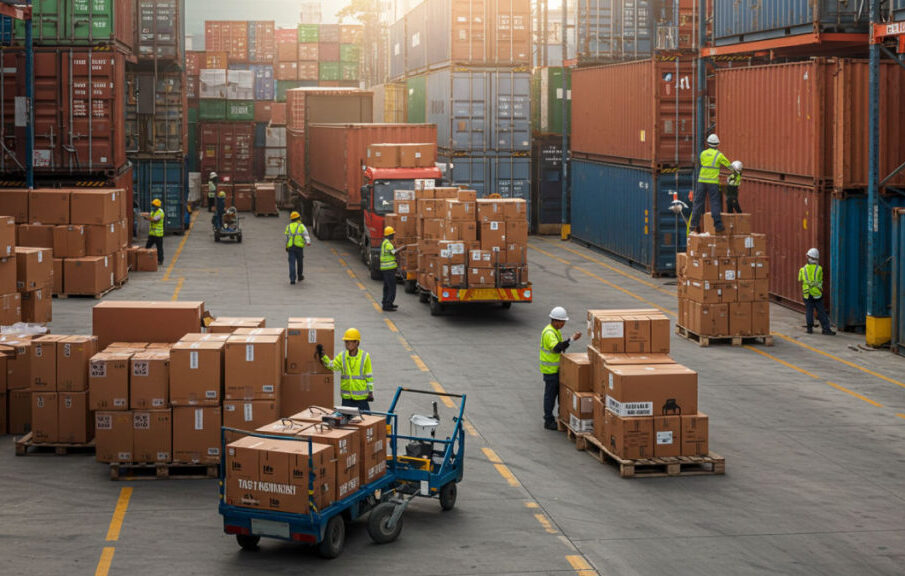
The Business of Logistics and Delivery Services
The logistics and delivery industry has become one of the fastest-growing sectors in today’s economy.
As businesses expand and consumers increasingly expect products to arrive quickly and safely, logistics companies have become an essential part of everyday life. From delivering groceries and medical supplies to transporting industrial equipment across borders, logistics is the invisible engine that keeps commerce moving.
Across Africa, particularly in rapidly growing urban centers, the demand for efficient logistics services has risen dramatically. The growth of e-commerce, digital payments, and smartphone usage has created new opportunities for entrepreneurs, investors, and businesses willing to solve transportation and delivery challenges. While the industry presents enormous potential, success requires careful planning, technological innovation, and excellent customer service.
Understanding Logistics and Delivery Services
Logistics involves the planning, movement, storage, and management of goods from their point of origin to their final destination. Delivery services are one component of logistics, focusing on transporting products directly to customers or businesses.
Modern logistics includes:
- Parcel delivery
- Courier services
- Freight transportation
- Warehousing
- Inventory management
- Last-mile delivery
- Supply chain coordination
- Cross-border shipping
Every industry, from agriculture and manufacturing to healthcare and retail, depends on efficient logistics operations.
Why the Industry Is Growing
Several factors have contributed to the rapid expansion of logistics businesses.
1. E-commerce Expansion
Online shopping has transformed consumer behavior. Customers expect fast deliveries, order tracking, and convenient return options. Every online purchase creates demand for reliable logistics providers.
2. Urban Population Growth
Africa’s cities continue to expand rapidly. As more people move into urban areas, businesses need efficient transportation systems capable of handling increased demand.
3. Mobile Technology
Smartphones allow customers to place orders, monitor deliveries, communicate with drivers, and make digital payments, all from a single device.
4. Small Business Growth
Many entrepreneurs now sell products through social media platforms and online marketplaces. These businesses often rely on third-party logistics providers instead of maintaining their own delivery fleets.
5. Global Trade
International trade has increased the movement of goods between countries, creating opportunities for freight forwarding, customs brokerage, and international shipping services.
Types of Logistics Businesses
The logistics industry consists of several specialized business models.
Courier Services
These companies deliver letters, documents, and small packages quickly within cities or regions.
Last-Mile Delivery
Last-mile delivery focuses on transporting products from warehouses or distribution centers directly to customers’ homes or offices.
Freight Services
Freight companies move large volumes of goods using trucks, ships, trains, or aircraft.
Cold Chain Logistics
Temperature-controlled transportation is essential for pharmaceuticals, fresh food, dairy products, vaccines, and flowers.
Warehousing
Businesses provide secure storage facilities where products are stored before being distributed.
Third-Party Logistics (3PL)
Many companies outsource logistics operations to specialized providers who manage transportation, warehousing, inventory, and order fulfillment.
Starting a Logistics Business
Launching a logistics company requires careful preparation.
Research the Market
Identify customer needs within your target area.
Questions to consider include:
- Which products require frequent deliveries?
- What areas are underserved?
- Who are your competitors?
- What delivery challenges do customers face?
Choose a Niche
Instead of serving everyone, focus on a specific market such as:
- Food delivery
- Pharmacy delivery
- Business-to-business logistics
- E-commerce fulfillment
- Agricultural transport
- Construction materials
- Express courier services
Specialization often leads to stronger customer loyalty.
Register the Business
Operate legally by obtaining the required licenses, permits, insurance, and tax registrations according to local regulations.
Build a Reliable Fleet
Depending on your market, transportation options may include:
- Motorcycles
- Cars
- Vans
- Pickup trucks
- Heavy-duty trucks
Regular vehicle maintenance helps reduce delays and operating costs.
The Importance of Technology
Technology has transformed logistics operations.
Essential tools include:
- GPS navigation
- Route optimization software
- Delivery tracking systems
- Inventory management software
- Electronic proof of delivery
- Customer notification systems
- Mobile payment integration
Businesses that invest in technology often achieve faster deliveries, lower costs, and improved customer satisfaction.
Challenges Facing Logistics Businesses
Despite its opportunities, the logistics sector faces several obstacles.
Poor Road Infrastructure
Damaged roads increase travel times, fuel consumption, and vehicle maintenance costs.
Traffic Congestion
Large cities frequently experience heavy traffic, making timely deliveries difficult.
Rising Fuel Prices
Fuel expenses represent a significant portion of operating costs.
Security Risks
Cargo theft, fraud, and vandalism remain concerns in some areas.
Customer Expectations
Consumers increasingly demand same-day delivery, real-time updates, and excellent customer service.
Meeting these expectations requires efficient planning and investment.
Opportunities Across Africa
Africa’s logistics industry remains one of the continent’s biggest growth opportunities.
Promising sectors include:
- Agricultural supply chains
- Cross-border trade
- Pharmaceutical distribution
- E-commerce fulfillment
- Rural delivery networks
- Export logistics
- Cold chain transportation
- Smart warehouse solutions
The implementation of regional trade agreements is expected to increase the movement of goods across African borders, creating additional demand for logistics services.
Building Customer Trust
Successful logistics companies understand that reliability is their greatest competitive advantage.
Businesses can build trust by:
- Delivering on time
- Communicating clearly
- Offering transparent pricing
- Handling packages carefully
- Providing responsive customer support
- Resolving complaints quickly
- Maintaining professional drivers and staff
Satisfied customers often become repeat clients and recommend services to others.
Sustainability in Logistics
Environmental responsibility is becoming increasingly important.
Many logistics companies are adopting sustainable practices such as:
- Electric delivery vehicles
- Route optimization to reduce fuel consumption
- Eco-friendly packaging
- Bicycle deliveries in congested cities
- Renewable energy in warehouses
These practices can reduce operating costs while improving brand reputation.
Skills Needed for Success
Running a logistics business requires more than transportation.
Successful operators develop skills in:
- Business management
- Financial planning
- Customer service
- Fleet management
- Problem-solving
- Communication
- Technology adoption
- Risk management
- Supply chain coordination
Continuous learning helps businesses remain competitive in a rapidly evolving industry.
The Future of Logistics
The future of logistics is being shaped by innovation.
Emerging trends include:
- Artificial intelligence for route planning
- Delivery drones
- Autonomous delivery vehicles
- Smart warehouses
- Robotics
- Internet of Things (IoT) tracking devices
- Blockchain for supply chain transparency
- Predictive analytics
Businesses that embrace these technologies will be better positioned to meet future customer demands.
Conclusion
The logistics and delivery industry is more than simply transporting goods, it is a critical driver of economic growth, trade, and customer satisfaction. As Africa’s population grows, digital commerce expands, and businesses seek faster ways to reach consumers, the demand for dependable logistics services will continue to increase.
Entrepreneurs who combine strategic planning, technology, operational efficiency, and exceptional customer service can build profitable and sustainable logistics businesses. While challenges such as infrastructure limitations and rising operating costs remain, innovation and adaptability will continue to create new opportunities for those willing to invest in this dynamic and essential sector.




Leave a reply







Africa’s Source for Breaking News | Entertainments | Health | Finance | Sports | Lifestyle and Business News.


