
The Growing Demand for Organic Foods
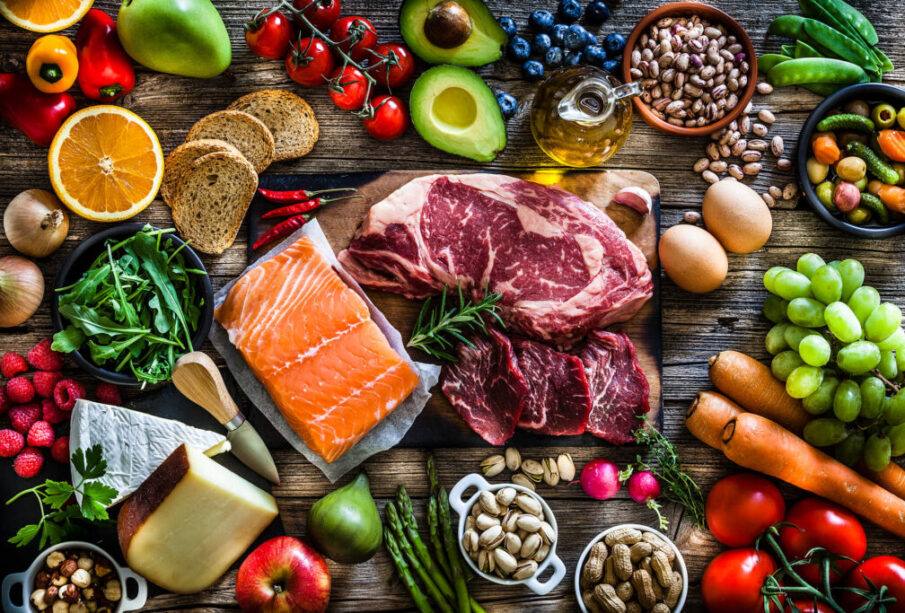
The Growing Demand for Organic Foods
Across the globe, consumers are becoming more conscious of what they eat, where their food comes from, and how it is produced.
This shift has fueled a remarkable increase in the demand for organic foods. Once considered a niche market for health enthusiasts, organic products are now found in supermarkets, local markets, specialty stores, and online grocery platforms. From fresh vegetables and fruits to dairy products, grains, and packaged foods, organic options are becoming increasingly accessible.
In Africa, the movement toward organic farming and consumption is also gaining momentum. Growing awareness of health, environmental sustainability, and food safety is encouraging more people to seek foods produced without synthetic chemicals or genetically modified organisms (GMOs). As demand continues to rise, organic agriculture presents both opportunities and challenges for farmers, consumers, and policymakers.
What Are Organic Foods?
Organic foods are agricultural products grown and processed according to specific standards designed to protect human health and the environment. These standards generally prohibit the use of:
- Synthetic pesticides and herbicides
- Artificial fertilizers
- Genetically modified organisms (GMOs)
- Growth hormones
- Routine antibiotics in livestock production
Instead, organic farming relies on natural methods such as composting, crop rotation, biological pest control, and responsible animal husbandry.
The goal is to create a farming system that maintains soil fertility, conserves biodiversity, and minimizes environmental impact.
Why Consumers Are Choosing Organic Foods
1. Increased Health Awareness
One of the biggest drivers behind organic food demand is the growing interest in healthier lifestyles. Many consumers believe organic foods contain fewer chemical residues and are produced using more natural farming methods.
Although scientific research continues to examine nutritional differences between organic and conventionally grown foods, many people appreciate the reduced exposure to synthetic pesticides and artificial additives.
2. Food Safety Concerns
Food contamination incidents and concerns about excessive chemical use in agriculture have made consumers more cautious about their food choices.
Organic certification provides an additional level of confidence because producers must follow strict production guidelines and undergo regular inspections.
3. Environmental Sustainability
Many buyers choose organic products because they support environmentally friendly farming practices.
Organic farming often promotes:
- Healthier soils
- Cleaner water systems
- Reduced chemical pollution
- Greater biodiversity
- Improved pollinator habitats
Consumers increasingly recognize that their purchasing decisions can contribute to protecting natural ecosystems.
4. Better Animal Welfare
Organic livestock farming generally emphasizes humane treatment of animals.
Animals are often provided with:
- More outdoor access
- Better living conditions
- Organic feed
- Reduced reliance on antibiotics
Consumers concerned about ethical food production often view organic products as a more responsible choice.
5. Growing Interest in Natural Living
Modern consumers are increasingly embracing lifestyles focused on natural wellness. Organic foods align with broader trends that include:
- Natural skincare
- Herbal medicine
- Eco-friendly products
- Sustainable fashion
- Clean eating
As wellness becomes a priority, organic foods naturally fit into this lifestyle.
The Growth of Organic Farming in Africa
Africa possesses enormous potential for organic agriculture due to its diverse climates, fertile lands, and large number of small-scale farmers.
Several factors are contributing to the continent’s organic growth:
Rising Urban Demand
Middle-class consumers in African cities are becoming more health-conscious. Farmers’ markets, health food stores, and supermarkets increasingly stock organic fruits, vegetables, honey, spices, and grains.
Export Opportunities
Many African farmers produce certified organic products for international markets.
Popular exports include:
- Coffee
- Cocoa
- Tea
- Sesame
- Cashew nuts
- Avocados
- Herbs
- Tropical fruits
These products often command premium prices in global markets.
Government and NGO Support
Various agricultural organizations are encouraging sustainable farming practices through:
- Farmer education
- Certification support
- Organic training
- Market development
- Access to improved farming techniques
These initiatives help farmers transition from conventional farming to organic production.
Economic Benefits of Organic Farming
Organic farming can create valuable economic opportunities.
Higher Selling Prices
Organic products often sell at premium prices because consumers are willing to pay more for products they perceive as healthier and environmentally friendly.
Increased Export Earnings
Certified organic products are highly sought after in Europe, North America, and parts of Asia, creating export opportunities for African producers.
Job Creation
Organic farming is often more labor-intensive than conventional farming. This creates employment opportunities in:
- Farming
- Processing
- Packaging
- Distribution
- Certification
- Retail
Improved Long-Term Soil Productivity
Healthy soils remain productive for many years, reducing dependence on expensive chemical fertilizers and improving long-term farm sustainability.
Challenges Facing Organic Food Production
Despite its growth, the organic sector faces several obstacles.
High Certification Costs
Obtaining official organic certification can be expensive, especially for smallholder farmers.
The certification process often involves:
- Documentation
- Farm inspections
- Annual renewal fees
- Compliance monitoring
Many small farmers struggle to meet these financial requirements.
Lower Initial Yields
During the transition from conventional to organic farming, crop yields may temporarily decline as soils recover and natural ecosystems rebalance.
This can reduce farmer income in the short term.
Limited Consumer Awareness
Many consumers still misunderstand what “organic” means.
Some assume all locally grown food is organic, while others cannot distinguish between organic, natural, and chemical-free labels.
Greater public education is needed.
Higher Retail Prices
Organic products typically cost more because of:
- Labor-intensive farming
- Certification expenses
- Lower production volumes
- Specialized distribution
For many families, affordability remains a significant concern.
Technology Supporting Organic Agriculture
Modern technology is helping organic farming become more efficient.
Innovations include:
- Soil testing technologies
- Mobile farming advisory services
- Precision irrigation systems
- Biological pest control
- Digital marketplaces
- Farm management software
These tools allow farmers to increase productivity while maintaining organic standards.
Consumer Tips When Buying Organic Foods
If you’re interested in purchasing organic foods, consider the following:
- Look for recognized organic certification labels.
- Buy from trusted farmers or reputable retailers.
- Wash all fruits and vegetables before consumption.
- Purchase seasonal produce whenever possible.
- Compare prices before shopping.
- Support local organic farmers whenever available.
Being an informed consumer helps ensure you receive genuine organic products.
The Future of Organic Foods
The demand for organic foods is expected to continue growing as consumers become increasingly concerned about health, sustainability, and food quality.
Future developments may include:
- Expanded organic farming across Africa
- Improved certification systems
- Greater investment in sustainable agriculture
- More affordable organic products
- Increased consumer education
- Stronger local and international markets
As governments, businesses, and consumers work together, organic agriculture could play a significant role in creating healthier food systems while protecting the environment.
Conclusion
The growing demand for organic foods reflects a broader shift toward healthier lifestyles and more sustainable agricultural practices. While challenges such as certification costs and affordability remain, the benefits for human health, environmental conservation, and rural economic development are substantial.
For Africa, organic farming represents more than just a market trend, it offers an opportunity to strengthen food security, improve farmer livelihoods, expand export markets, and preserve natural resources for future generations. As awareness continues to increase, organic agriculture is likely to become an increasingly important part of the continent’s agricultural future.




Leave a reply




Africa’s Source for Breaking News | Entertainments | Health | Finance | Sports | Lifestyle and Business News.


