
The Rise of Women in African Politics
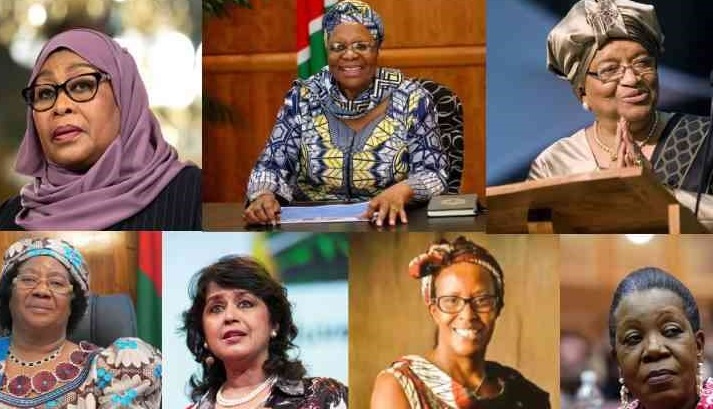
The Rise of Women in African Politics
Across Africa, women are taking a more visible role in politics and public leadership.
From national parliaments to local councils, women are challenging traditional expectations and contributing to conversations about economic development, education, healthcare, security, gender equality, and social welfare.
For decades, African politics remained largely dominated by men. Although women participated in political movements and played important roles in independence struggles, their representation in formal political institutions remained limited. Today, that picture is gradually changing.
A Growing Political Presence
Women are increasingly contesting elections, joining political parties, serving in government, and leading important institutions. Countries such as Rwanda, Senegal, Liberia, Tanzania, Uganda, South Africa, and Ghana have produced prominent women leaders who have influenced national politics.
Rwanda is particularly notable for its high level of women’s parliamentary representation. Other African countries have also introduced measures such as gender quotas and affirmative-action policies to encourage greater female participation in politics.
The growth of women’s political representation matters because political institutions make decisions that affect entire communities. When women participate in those decisions, issues that have historically received less attention can gain greater visibility.
Breaking Traditional Barriers
One of the biggest challenges facing women in African politics is the persistence of traditional attitudes about leadership.
In some communities, politics is still viewed primarily as a man’s responsibility. Women who enter political life may face criticism, discrimination, harassment, or pressure to prioritize traditional family expectations over public responsibilities.
Despite these obstacles, many women are challenging these assumptions. Their participation demonstrates that leadership ability is not determined by gender.
Women politicians are also becoming increasingly influential at the grassroots level. Local government positions provide opportunities for women to address practical concerns such as access to clean water, healthcare, education, sanitation, markets, and community infrastructure.
The Influence of Women Voters
Women are not only becoming political candidates. They also represent a significant part of Africa’s voting population.
Women participate in elections as voters, campaign organizers, volunteers, community mobilizers, journalists, activists, and civil society leaders. Their influence can shape political campaigns and determine which issues receive attention.
Political parties that understand the importance of women voters are increasingly developing policies and campaign strategies that address issues affecting families, employment, healthcare, education, entrepreneurship, and social protection.
Women and Policy Change
The increasing presence of women in government has also contributed to broader discussions about public policy.
Women leaders have advocated for improvements in maternal healthcare, girls’ education, economic opportunities, protection from gender-based violence, childcare, and women’s access to finance and property.
However, it is important not to assume that every woman politician will automatically prioritize women’s issues. Political beliefs, party affiliations, professional backgrounds, and national circumstances all influence how politicians govern.
What matters is that a wider range of experiences and perspectives can enter political decision-making.
The Role of Education and Economic Independence
Education has played an important role in expanding women’s political participation across Africa. More women are gaining access to higher education, professional careers, entrepreneurship, and civil society organizations.
Economic independence can also make political participation more accessible. Running for office often requires significant financial resources, networks, and organizational support. Women with greater access to economic opportunities may have more capacity to enter competitive political environments.
This makes investments in girls’ education, women’s entrepreneurship, professional development, and financial inclusion important not only for economic development but also for political representation.
The Challenges That Remain
Despite progress, women still face significant barriers.
Political campaigns can be expensive, while access to party structures, political networks, and campaign financing may be unequal. Women may also experience online abuse, intimidation, sexual harassment, and attacks aimed specifically at their gender.
Family responsibilities can create additional pressure, particularly in societies where women continue to carry a disproportionate share of household and caregiving duties.
Political parties also have an important role to play. Encouraging women to vote is not enough. Parties need to create meaningful opportunities for women to compete for influential positions and participate in decision-making.
A New Generation of Female Leaders
Africa’s younger generation is also changing the political landscape. Young women are becoming activists, policy advocates, entrepreneurs, journalists, lawyers, community organizers, and elected officials.
Social media has given many of them new platforms to discuss political issues, organize campaigns, challenge public officials, and connect with supporters.
Digital platforms have also made it easier for women to build political identities outside traditional political structures. However, online participation comes with risks, including harassment, misinformation, and coordinated attacks.
Why Women’s Political Participation Matters
Women’s participation in politics is not simply about achieving equal numbers of men and women in government. It is also about creating political institutions that reflect the societies they serve.
Women make up roughly half of Africa’s population. Their experiences as workers, parents, entrepreneurs, professionals, students, caregivers, community leaders, and citizens can contribute valuable perspectives to public policy.
Greater inclusion can also inspire younger girls to see leadership as a realistic possibility rather than something reserved for men.
The Road Ahead
The rise of women in African politics represents an important shift, but progress should not be measured only by the number of women who win elections.
Africa also needs to examine whether women have genuine access to political power, campaign financing, leadership positions, policy-making spaces, and protection from political violence and harassment.
Political parties, governments, civil society organizations, communities, and voters all have a role to play.
As more African women enter politics and take on leadership responsibilities, they are helping redefine what political leadership can look like across the continent. Their growing presence represents not only a change in representation but also an opportunity to build more inclusive political systems.
The future of African politics will increasingly depend on ensuring that women are not merely present in political spaces but are empowered to shape the decisions that determine the continent’s future.



Leave a reply






Africa’s Source for Breaking News | Entertainments | Health | Finance | Sports | Lifestyle and Business News.


