The Future of Smart Agriculture

The Future of Smart Agriculture
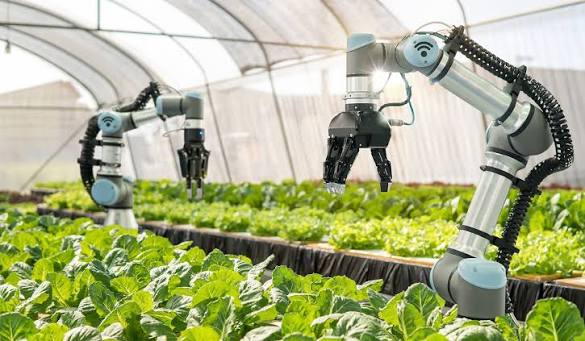
Agriculture has always been the backbone of human civilization, providing the food, raw materials, and livelihoods that sustain societies.
Fortunately, technological innovation is transforming the agricultural sector. Smart agriculture, also known as precision agriculture or digital farming, is changing how crops are grown, livestock are managed, and agricultural resources are utilized. By combining technology with traditional farming knowledge, smart agriculture is helping farmers increase productivity while reducing waste and protecting the environment.
As Africa continues its digital transformation, smart agriculture is expected to play a major role in feeding a growing population and creating sustainable farming systems for future generations.
What Is Smart Agriculture?
Smart agriculture refers to the use of modern technologies to improve farming efficiency, productivity, and sustainability. It involves collecting data from farms and using that information to make better decisions about planting, irrigation, fertilization, pest control, harvesting, and livestock management.
Instead of relying solely on experience or guesswork, farmers can use technology to understand exactly what their crops and animals need at any given time.
Smart agriculture combines several innovations, including:
- Artificial Intelligence (AI)
- Internet of Things (IoT)
- GPS technology
- Drones
- Satellite imagery
- Robotics
- Big data analytics
- Mobile applications
- Automated irrigation systems
Together, these technologies allow farmers to produce more food while using fewer resources.
Why Smart Agriculture Matters
Global food demand continues to rise as populations grow. According to estimates, the world’s population could exceed 9.5 billion by 2050, meaning food production must increase significantly.
At the same time, agriculture faces major obstacles such as:
- Unpredictable weather
- Soil degradation
- Water shortages
- Pest outbreaks
- Rising fertilizer costs
- Labor shortages
Smart agriculture offers practical solutions by helping farmers maximize yields while minimizing losses.
Key Technologies Shaping the Future of Agriculture
1. Artificial Intelligence (AI)
Artificial intelligence is becoming one of agriculture’s most valuable tools. AI systems analyze massive amounts of farm data and provide recommendations that help farmers make informed decisions.
AI can:
- Predict crop diseases
- Recommend fertilizer application
- Forecast weather patterns
- Estimate harvest times
- Detect nutrient deficiencies
- Improve crop selection
Machine learning continues improving these predictions as more data becomes available.
2. Internet of Things (IoT)
IoT connects devices across the farm through sensors and internet networks.
Smart sensors monitor:
- Soil moisture
- Soil nutrients
- Temperature
- Humidity
- Water levels
- Livestock health
Instead of checking fields manually, farmers receive real-time information on their smartphones. This enables faster responses and reduces unnecessary resource use.
3. Agricultural Drones
Drones are revolutionizing farm monitoring.
Modern agricultural drones can:
- Survey large farms
- Detect crop stress
- Identify pest infestations
- Monitor irrigation
- Spray fertilizers
- Apply pesticides accurately
Drone technology saves time while improving precision. In Africa, drones are increasingly used for mapping farmland and monitoring crop health in remote areas.
4. Precision Irrigation
Water scarcity is becoming one of agriculture’s biggest concerns.
Smart irrigation systems use sensors to determine exactly when crops need watering.
Benefits include:
- Reduced water waste
- Lower energy costs
- Improved crop health
- Increased yields
- Better drought management
Some systems even integrate weather forecasts to avoid watering before rainfall.
5. Robotics and Automation
Agricultural robots are becoming more advanced each year.
Robots can perform tasks such as:
- Planting seeds
- Harvesting fruits
- Weeding fields
- Monitoring crops
- Sorting produce
Automation reduces labor shortages while increasing consistency and efficiency. Although widespread adoption in Africa is still developing, robotics is expected to become more affordable over time.
6. Satellite Monitoring
Satellites provide valuable information about crop conditions over vast areas.
Satellite imagery helps farmers:
- Detect drought early
- Monitor crop growth
- Measure vegetation health
- Predict harvest yields
- Identify disease outbreaks
Governments also use satellite data to improve food security planning.
Smart Agriculture and Climate Change
Climate change has become one of the greatest threats to farming. Extreme weather events, including floods, droughts, heatwaves, and unpredictable rainfall, are affecting agricultural productivity worldwide.
Smart agriculture helps farmers adapt by:
- Monitoring weather changes
- Improving water management
- Selecting climate-resilient crops
- Reducing greenhouse gas emissions
- Improving soil conservation
Technology enables farmers to make proactive decisions instead of reacting after losses occur.
The Rise of Data-Driven Farming
Data has become one of agriculture’s most valuable resources.
Every field generates information about:
- Soil quality
- Crop performance
- Rainfall
- Pest activity
- Fertilizer usage
- Harvest output
Farm management software combines these data points into easy-to-understand dashboards. Farmers can identify trends, improve planning, and make evidence-based decisions year after year.
Mobile Technology Is Empowering African Farmers
One of the biggest advantages for Africa is the rapid growth of smartphone usage.
Mobile applications now provide farmers with:
- Weather forecasts
- Market prices
- Crop advice
- Pest alerts
- Financial services
- Crop insurance
- Agricultural training
Even smallholder farmers can access valuable farming information without expensive equipment.
Digital agriculture is helping bridge knowledge gaps across rural communities.
Smart Livestock Farming
Technology is improving livestock management as well.
Smart livestock systems use wearable sensors to monitor animals.
These systems can track:
- Body temperature
- Movement
- Feeding habits
- Health conditions
- Reproductive cycles
Farmers receive alerts when animals become sick, reducing mortality rates and veterinary costs.
Blockchain in Agriculture
Blockchain technology is creating greater transparency throughout food supply chains.
It helps track agricultural products from the farm to consumers.
Benefits include:
- Improved food safety
- Better traceability
- Reduced fraud
- Increased consumer trust
- Easier export certification
African exporters can benefit by proving the authenticity and quality of their agricultural products in international markets.
Smart Greenhouses
Modern greenhouses are becoming highly automated.
Smart greenhouse systems control:
- Temperature
- Humidity
- Ventilation
- Lighting
- Irrigation
This creates ideal growing conditions regardless of outdoor weather.
Such systems allow year-round production of vegetables, fruits, and herbs.
Opportunities for Africa
Africa possesses enormous agricultural potential.
The continent has:
- Vast arable land
- A growing young population
- Expanding digital infrastructure
- Increasing internet access
- Rising investment in agricultural technology
Smart agriculture presents opportunities to:
Improve Food Security
Higher productivity can reduce dependence on imported food.
Create Employment
Agricultural technology creates jobs in:
- Drone operations
- Data analysis
- Equipment maintenance
- Software development
- Agribusiness consulting
Increase Farm Profits
Precision farming reduces waste while improving yields.
Expand Agricultural Exports
Higher-quality products can meet international standards and increase export earnings.
Challenges Facing Smart Agriculture
Despite its promise, several obstacles remain.
High Initial Costs
Many smart farming technologies require significant investment.
Smallholder farmers may struggle to afford advanced equipment.
Internet Connectivity
Some rural communities still lack reliable internet access.
Digital Skills
Farmers need training to effectively use new technologies.
Power Supply
Electricity shortages can limit technology adoption in remote areas.
Data Privacy
As agriculture becomes more digital, protecting farm data becomes increasingly important.
Government and Private Sector Support
Governments, universities, technology companies, and development organizations all have important roles to play.
Key priorities include:
- Expanding rural internet access
- Supporting agricultural research
- Providing affordable financing
- Encouraging innovation hubs
- Offering digital literacy programs
- Investing in rural infrastructure
Public-private partnerships can accelerate the adoption of smart agriculture across Africa.
The Future Outlook
The future of agriculture will increasingly rely on technology, automation, and data-driven decision-making. As innovations become more affordable and accessible, even smallholder farmers will benefit from tools once available only to large commercial farms.
Artificial intelligence, drones, robotics, precision irrigation, blockchain, and satellite technology will continue to reshape food production. Combined with local farming knowledge and sustainable practices, these innovations have the potential to improve food security, strengthen rural economies, and build resilience against climate change.
For Africa, smart agriculture represents more than a technological upgrade, it is an opportunity to modernize farming, empower young entrepreneurs, attract investment, and unlock the continent’s vast agricultural potential.
Conclusion
Smart agriculture is transforming farming from a labor-intensive activity into a data-driven, efficient, and sustainable enterprise. By embracing digital technologies, farmers can produce more with fewer resources while protecting the environment for future generations.
Although challenges such as infrastructure, financing, and digital literacy remain, the long-term benefits far outweigh the obstacles. With continued investment, supportive policies, and collaboration between governments, technology providers, and farming communities, smart agriculture can become a cornerstone of Africa’s economic growth and food security.
The future of farming is intelligent, connected, and sustainable, and Africa has every opportunity to be at the forefront of this agricultural revolution.
Reviewing Africa’s Fastest-Growing Fintech Apps
July 19, 2026The Growth of Online Grocery Shopping
July 19, 2026Africa’s Most Important Elections and Their Impact
July 19, 2026
Leave a reply Cancel reply
Latest Posts
-
The Future of Smart Agriculture
July 19, 2026 -
Reviewing Africa’s Fastest-Growing Fintech Apps
July 19, 2026 -
The Growth of Online Grocery Shopping
July 19, 2026 -
Africa’s Most Important Elections and Their Impact
July 19, 2026 -
How Families Can Build Financial Security
July 18, 2026
Weekly Podcast
Travel News
-
Culinary Tourism Across the Continent
July 16, 2026 -
Travel Safety Tips for African Adventures
July 11, 2026 -
How Local Communities Protect Wildlife
July 8, 2026
Personal Development
-
How Families Can Build Financial Security
July 18, 2026 -
Lessons Learned From Africa’s Growth Story
July 16, 2026 -
How to Maintain Long-Term Relationships
July 14, 2026