
Africa’s Most Unique Traditional Snacks
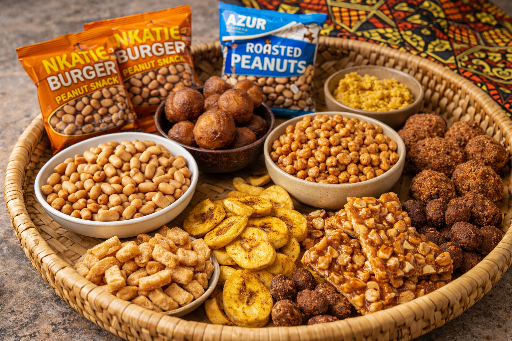
Africa's Most Unique Traditional Snacks
Africa’s culinary diversity extends far beyond its famous main dishes.
Across the continent, communities have created countless traditional snacks that tell stories of history, culture, agriculture, and everyday life. These snacks are more than quick bites, they preserve traditions, celebrate local ingredients, and connect generations through shared recipes.
Whether sold in bustling city markets, roadside stalls, village gatherings, or family celebrations, traditional African snacks remain an important part of daily life. Moreover, many of these foods are naturally made with locally sourced ingredients, making them both flavorful and sustainable.
In this article, we explore some of Africa’s most unique traditional snacks and the cultural significance behind them.
Why Traditional Snacks Matter
Traditional snacks offer more than convenience. They showcase indigenous crops, cooking techniques, and regional identities. In addition, they support local farmers, small-scale food vendors, and family-owned businesses that have preserved these recipes for decades.
As tourism and cultural exchange continue to grow, many visitors now seek authentic local snacks as part of their travel experience. Consequently, traditional snacks have become ambassadors of African culture across the world.
1. Chin Chin (Nigeria and Ghana)
Chin Chin is one of West Africa’s most popular crunchy snacks. Made from flour, butter, sugar, milk, and spices, the dough is cut into small cubes or strips before deep frying until golden brown.
Families often prepare Chin Chin during holidays, weddings, and festive celebrations. Today, many businesses package it for supermarkets and export markets, making it one of Africa’s most recognizable snacks.
2. Kuli Kuli (Nigeria)
Kuli Kuli is a crunchy snack produced from roasted groundnuts after the oil has been extracted. The remaining peanut paste is seasoned, shaped into rolls or rings, and fried until crisp.
Rich in protein and flavor, Kuli Kuli serves as both a snack and an ingredient in soups and salads. Furthermore, it remains popular because it is affordable, nutritious, and easy to carry.
3. Biltong (Southern Africa)
Biltong is a dried, cured meat snack commonly enjoyed in South Africa, Namibia, Zimbabwe, and neighboring countries. Beef is the most common choice, although game meat is also widely used.
Unlike ordinary beef jerky, Biltong is cured with vinegar and spices before air drying. As a result, it develops a distinctive flavor and tender texture that has earned fans around the globe.
4. Kilishi (Nigeria and Niger)
Kilishi is a spicy dried meat snack often described as West Africa’s version of jerky. Thin slices of beef are coated with a rich mixture of ground peanuts, spices, pepper, ginger, and seasonings before being dried and lightly grilled.
Its bold flavor makes Kilishi a favorite among travelers and meat lovers alike. Additionally, its long shelf life makes it ideal for long journeys.
5. Plantain Chips (Across West Africa)
Plantain chips are made by slicing green plantains into thin pieces before frying or baking them until crispy. Depending on local preferences, they may be lightly salted, sweetened, or seasoned with pepper.
Because plantains grow widely across tropical Africa, this snack has become a staple in many households and roadside kiosks.
6. Kokoro (Nigeria)
Kokoro is a crunchy corn-based snack originating from southwestern Nigeria. It is prepared from maize flour, mixed with spices, shaped into long sticks, and deep fried.
Although simple, Kokoro remains popular because of its satisfying texture and affordability. It is commonly sold by street vendors and local markets.
7. Roasted Groundnuts (Across Africa)
Roasted groundnuts are among the continent’s most widely enjoyed snacks. Vendors roast peanuts over open fires before selling them in paper wraps or small bags.
Because they are affordable, nutritious, and filling, roasted groundnuts are a favorite snack for commuters, students, and travelers.
8. Puff-Puff (West Africa)
Puff-Puff consists of small balls of sweet yeast dough that are deep fried until golden brown. The outside becomes slightly crisp while the inside remains soft and fluffy.
People enjoy Puff-Puff during parties, church gatherings, family celebrations, and as an everyday street snack. Some modern versions include chocolate, coconut, cinnamon, or fruit fillings.
9. Roasted Corn (Across Africa)
Fresh maize roasted over charcoal is a beloved snack across many African countries. During the rainy season, vendors often serve roasted corn alongside fresh pears (African pear) in parts of West Africa.
The combination provides a delicious balance of smoky, sweet, and creamy flavors.
10. Coconut Candy (East and West Africa)
Coconut candy combines grated coconut with caramelized sugar to create chewy or crunchy treats. Coastal communities especially enjoy this snack because coconuts are readily available.
Its natural sweetness and simple ingredients have helped preserve its popularity across generations.
11. Mandazi (East Africa)
Mandazi is a lightly sweet fried bread enjoyed in Kenya, Tanzania, Uganda, and neighboring countries. Although it resembles a doughnut, it contains less sugar and often includes coconut milk or cardamom.
People commonly eat Mandazi with tea for breakfast or as an afternoon snack.
12. Dried Fruit Snacks (Across Africa)
Many African communities preserve seasonal fruits by drying them naturally under the sun. Mangoes, bananas, pineapples, dates, figs, and baobab fruit are transformed into nutritious snacks that last much longer than fresh fruit.
As consumers increasingly seek healthier alternatives, dried fruit snacks have gained popularity in both local and international markets.
The Cultural Importance of African Snacks
Traditional snacks often reflect a region’s climate, available crops, and cultural heritage. For example:
- Groundnuts dominate snacks in West Africa because they grow abundantly.
- Coconut-based treats thrive in coastal communities.
- Dried meat snacks developed in regions where preserving food was essential.
- Maize-based snacks remain common where corn is a major staple crop.
Furthermore, many snack recipes have been passed down through generations, preserving culinary traditions that continue to define local identities.
Traditional Snacks and Economic Growth
The growing demand for authentic African foods has created new opportunities for entrepreneurs. Small businesses now package traditional snacks using modern food safety standards while maintaining authentic recipes.
Additionally, African snacks are increasingly appearing in supermarkets, online stores, and international specialty food markets. This expansion creates employment, supports agriculture, and introduces global consumers to Africa’s diverse food culture.
Preserving Traditional Recipes
Urbanization and changing lifestyles have influenced eating habits across Africa. Nevertheless, many communities continue to preserve traditional snacks by teaching younger generations how to prepare them.
Food festivals, culinary tourism, cooking competitions, and digital content creators also play an important role in keeping these traditions alive. As a result, many forgotten recipes are finding new audiences both within Africa and abroad.
Final Thoughts
Africa’s traditional snacks represent far more than convenient foods. They embody history, creativity, and the remarkable diversity of the continent’s cultures. From the crunchy bite of Chin Chin and Kokoro to the rich flavors of Kilishi and Biltong, each snack tells a unique story rooted in local traditions and ingredients.
As interest in authentic African cuisine continues to grow, these beloved snacks are gaining recognition beyond their countries of origin. By supporting local producers, preserving traditional recipes, and sharing these culinary treasures with the world, Africans can ensure that future generations continue to enjoy the rich flavors and cultural heritage found in every bite.




Leave a reply




Africa’s Source for Breaking News | Entertainments | Health | Finance | Sports | Lifestyle and Business News.


