
The Importance of Preventive Healthcare
The Importance of Preventive Healthcare
Healthcare is often associated with treating illnesses after they occur.
However, one of the most effective ways to maintain good health and reduce medical costs is through preventive healthcare. Preventive healthcare focuses on taking proactive measures to prevent diseases, detect health issues early, and promote overall well-being before serious problems develop.
As healthcare systems around the world face increasing pressure from rising disease rates and healthcare costs, preventive healthcare has become more important than ever. Individuals, families, communities, and governments all benefit when prevention becomes a priority.
What Is Preventive Healthcare?
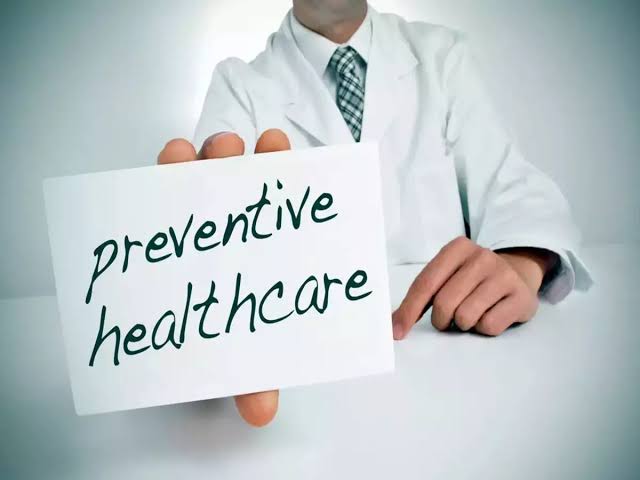
Preventive healthcare refers to medical services, lifestyle choices, and health practices designed to prevent illness rather than treat it. It includes regular medical check-ups, screenings, vaccinations, healthy eating, physical activity, stress management, and health education.
The goal is to identify potential health risks early and reduce the likelihood of developing serious conditions such as heart disease, diabetes, cancer, and infectious diseases.
Benefits of Preventive Healthcare
1. Early Detection of Diseases
Many serious health conditions develop gradually and may not show symptoms in their early stages. Regular health screenings can help identify problems before they become severe.
For example, routine blood pressure checks can detect hypertension, while cancer screenings can identify abnormal cells before they become life-threatening. Early diagnosis often leads to more effective treatment and better outcomes.
2. Lower Healthcare Costs
Preventing diseases is generally less expensive than treating them. Hospital admissions, surgeries, medications, and long-term treatments can place a significant financial burden on individuals and healthcare systems.
By investing in preventive care, people can avoid many costly medical procedures and reduce healthcare expenses over time.
3. Improved Quality of Life
Good health enables people to work, study, travel, and enjoy life more fully. Preventive healthcare helps individuals maintain physical and mental well-being, reducing the likelihood of chronic illnesses that can limit daily activities.
Healthy individuals are more productive, energetic, and capable of contributing positively to their families and communities.
4. Increased Life Expectancy
Preventive measures such as vaccinations, healthy lifestyle habits, and routine screenings have contributed significantly to longer life expectancy worldwide.
When diseases are prevented or managed early, people are more likely to live longer and healthier lives.
5. Reduced Spread of Infectious Diseases
Vaccination programs and health education campaigns play a critical role in preventing the spread of contagious diseases. Immunizations protect not only individuals but also communities by creating herd immunity.
Preventive healthcare helps reduce outbreaks and protects vulnerable populations such as children, the elderly, and individuals with weakened immune systems.
Key Components of Preventive Healthcare
Regular Medical Check-Ups
Routine visits to healthcare providers allow for early detection of health concerns and provide opportunities for professional guidance on maintaining good health.
Vaccinations
Immunizations protect against various infectious diseases and remain one of the most successful public health interventions in history.
Health Screenings
Screenings for blood pressure, cholesterol, diabetes, cancer, and other conditions help identify health risks before symptoms appear.
Healthy Nutrition
A balanced diet rich in fruits, vegetables, whole grains, and lean proteins supports overall health and reduces the risk of chronic diseases.
Physical Activity
Regular exercise strengthens the cardiovascular system, improves mental health, supports weight management, and lowers the risk of numerous illnesses.
Mental Health Care
Preventive healthcare also includes mental well-being. Managing stress, seeking support when needed, and maintaining healthy social connections contribute to overall health.
The Role of Individuals
Preventive healthcare requires active participation from individuals. Simple actions such as maintaining a healthy diet, exercising regularly, getting adequate sleep, avoiding tobacco use, limiting alcohol consumption, and attending regular health screenings can make a significant difference.
Personal responsibility for health is one of the most powerful tools in disease prevention.
The Role of Governments and Communities
Governments and healthcare organizations play a vital role in promoting preventive healthcare through public health campaigns, affordable healthcare services, vaccination programs, and access to screenings.
Community initiatives that encourage healthy lifestyles, sanitation, and health education can also improve population health and reduce disease rates.
Challenges to Preventive Healthcare
Despite its benefits, preventive healthcare faces several challenges, including limited access to healthcare services, lack of awareness, financial barriers, and cultural misconceptions about medical care.
Addressing these challenges requires collaboration among healthcare providers, policymakers, educators, and communities to ensure preventive services are accessible and affordable for everyone.
Conclusion
Preventive healthcare is a powerful approach to maintaining health, reducing healthcare costs, and improving quality of life. By focusing on prevention rather than treatment alone, individuals can avoid many serious illnesses and enjoy longer, healthier lives.
Regular check-ups, vaccinations, healthy lifestyle choices, and early screenings are essential components of preventive healthcare. As awareness grows and access improves, preventive healthcare will continue to play a crucial role in building healthier communities and creating a more sustainable healthcare future.




Leave a reply







Africa’s Source for Breaking News | Entertainments | Health | Finance | Sports | Lifestyle and Business News.


