
Travel Destinations Rich in History
Travel Destinations Rich in History
Africa is a continent where history lives in ancient cities, royal palaces, archaeological sites, historic markets, museums, and traditional communities.
For travelers who want more than beautiful scenery, exploring Africa’s historic destinations offers an opportunity to understand the people, cultures, kingdoms, and events that shaped the continent. From ancient Egyptian temples to the historic streets of Zanzibar, Africa has destinations that can turn an ordinary trip into a journey through time.
1. Cairo, Egypt
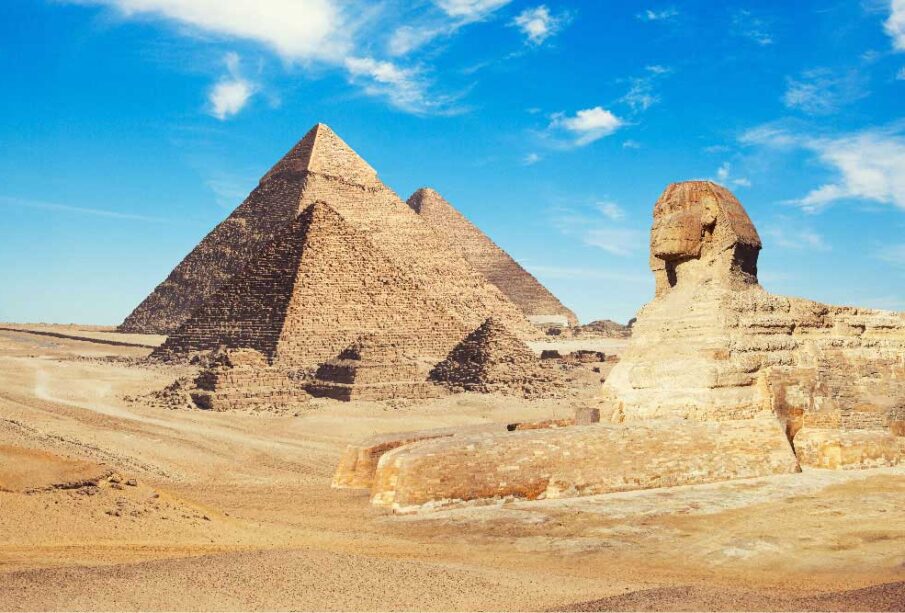
Cairo is one of Africa’s most historically significant cities. Located near the Giza Plateau, it provides access to some of the world’s most famous ancient monuments.
Visitors can explore the Great Pyramids of Giza, the Sphinx, ancient mosques, historic markets, and museums containing artifacts from different periods of Egyptian history.
The city is particularly fascinating because ancient, medieval, and modern history exist side by side.
2. Luxor, Egypt
Luxor is often described as one of the world’s greatest open-air museums. The city was once the heart of ancient Thebes, a powerful center of Egyptian civilization.
Its historic attractions include the Valley of the Kings, Karnak Temple, Luxor Temple, and the Colossi of Memnon.
A visit to Luxor allows travelers to see monuments connected to pharaohs, religious ceremonies, royal burials, and ancient Egyptian architecture.
3. Zanzibar City, Tanzania
Zanzibar’s Stone Town is a destination where African, Arab, Persian, Indian, and European influences have shaped the city’s architecture and culture.
Its narrow streets, old buildings, historic doors, markets, and waterfront reflect centuries of trade across the Indian Ocean.
Stone Town also played an important role in the history of the East African slave trade. Visiting its historic sites provides an opportunity to learn about both the cultural achievements and painful experiences that shaped the region.
4. Cape Town, South Africa
Cape Town combines natural beauty with centuries of history. The city has connections to indigenous communities, European colonial expansion, maritime trade, apartheid, and the development of modern South Africa.
Robben Island is particularly important. It was the prison where Nelson Mandela spent many years during the apartheid era.
Visitors can also explore historic neighborhoods, museums, old buildings, and landmarks that tell different parts of South Africa’s story.
5. Lalibela, Ethiopia
Lalibela is famous for its remarkable rock-hewn churches carved directly into the ground.
Built during the medieval period, these churches demonstrate the architectural, religious, and artistic achievements of Ethiopian civilization. The site remains an important destination for Ethiopian Orthodox Christians and attracts visitors from around the world.
For history lovers, Lalibela offers a rare opportunity to see medieval African architecture preserved within a living religious tradition.
6. Timbuktu, Mali
Timbuktu became famous for its role as a major center of scholarship, commerce, and Islamic learning in West Africa.
During its historic golden periods, scholars gathered in the city and manuscripts were produced and preserved in important libraries and learning centers.
Although modern circumstances have made travel to the region challenging, Timbuktu remains one of Africa’s most fascinating historic cities.
7. Great Zimbabwe, Zimbabwe
The ruins of Great Zimbabwe provide evidence of a sophisticated African civilization that flourished centuries ago.
The stone structures demonstrate advanced construction skills and the importance of the settlement as a political and economic center. The site is also important for understanding the history of trade in southern Africa.
Exploring Great Zimbabwe challenges outdated ideas about precolonial African societies and highlights the continent’s long tradition of organized cities, commerce, and architecture.
8. Ouidah, Benin
Ouidah is deeply connected to the history of the transatlantic slave trade and the cultural heritage of West Africa.
The city contains historic landmarks associated with the slave trade, including routes leading toward the Atlantic coast. It is also an important center of Vodun culture and Beninese heritage.
A visit to Ouidah can provide a deeper understanding of West African history, cultural resilience, and the connections between Africa and the African diaspora.
9. Gorée Island, Senegal
Located off the coast of Dakar, Gorée Island is one of Senegal’s most recognized historical destinations.
Its colonial-era architecture and sites connected to the transatlantic slave trade attract visitors interested in understanding one of the darkest chapters of global history.
The island also demonstrates how historic places can become spaces for remembrance, education, and reflection.
10. Marrakech, Morocco
Marrakech offers a different kind of historical experience. Its old medina, traditional markets, palaces, mosques, gardens, and historic architecture reveal centuries of Moroccan culture.
Walking through the medina allows travelers to experience traditional craftsmanship and commercial life that have continued across generations.
The city’s combination of architecture, food, markets, and cultural traditions makes it an excellent destination for travelers interested in living history.
Why Historical Travel Matters
Traveling to historically significant destinations is not simply about taking photographs of old buildings. It can help visitors understand how societies developed, how cultures interacted, and how major events affected generations.
Historical tourism can also support local communities by creating demand for tour guides, artisans, museums, accommodation providers, restaurants, and cultural experiences.
However, visitors should approach historical destinations with respect. Some sites represent painful periods involving slavery, war, colonialism, or political oppression. Learning before visiting and listening to local perspectives can make the experience more meaningful.
Making the Most of a Historical Trip
Travelers can get more from these destinations by doing some research before arriving. Reading about the history of a location, hiring knowledgeable local guides, visiting museums, and allowing enough time to explore can provide greater context.
It is also worth looking beyond famous monuments. Historic neighborhoods, traditional markets, local food, community festivals, and conversations with residents can reveal aspects of history that major attractions may not capture.
A Journey Through Africa’s Past
Africa’s history cannot be represented by a single destination. From the pyramids of Egypt and medieval churches in Ethiopia to ancient stone cities in Zimbabwe and historic coastal settlements in West Africa, the continent offers countless opportunities to explore the past.
For travelers seeking meaningful experiences, these destinations provide more than sightseeing. They offer stories of innovation, trade, migration, resistance, culture, faith, and resilience.
Exploring Africa’s historic destinations can therefore become a journey not only through different places, but also through the many civilizations and experiences that have shaped the continent.




Leave a reply






Africa’s Source for Breaking News | Entertainments | Health | Finance | Sports | Lifestyle and Business News.


