
Travel Gems in Madagascar You Should Discover
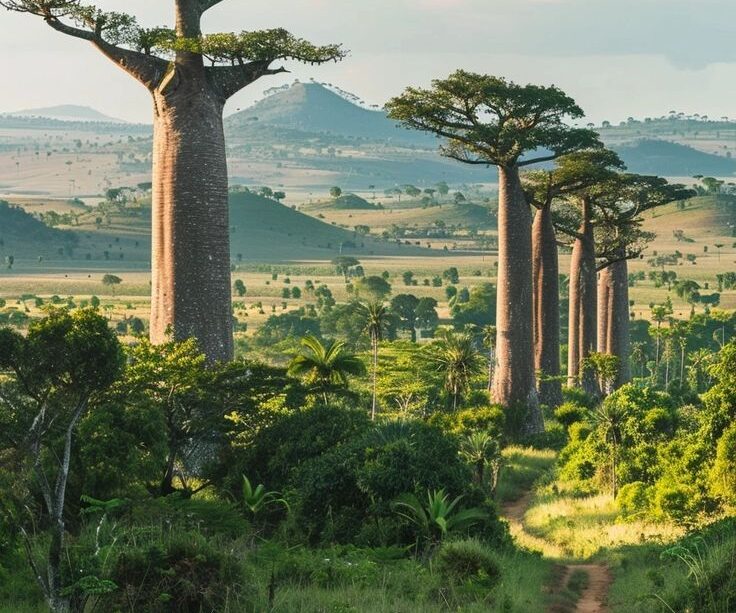
Hidden Travel Gems in Madagascar You Should Discover
Madagascar is one of Africa’s most fascinating travel destinations.
Located off the southeastern coast of the continent, this island nation is famous for its lemurs, baobab trees, tropical beaches, and extraordinary biodiversity. Yet many travellers only hear about popular attractions such as the Avenue of the Baobabs and the national parks around Andasibe. Beyond these familiar destinations lies another Madagascar, filled with peaceful fishing villages, unusual rock formations, remote rainforests, and landscapes that feel almost untouched.
For African travellers seeking something different, exploring these lesser-known places offers an opportunity to experience the island beyond conventional sightseeing. Some destinations require extra planning, but the rewards include memorable scenery, encounters with local communities, and a deeper appreciation of Madagascar’s natural and cultural heritage.
Here are some hidden travel gems in Madagascar worth adding to your next African adventure.
1. Sahamalaza: A Quiet Corner of Northwestern Madagascar
Sahamalaza, in northwestern Madagascar, offers an appealing destination for travellers interested in wildlife and conservation. The Sahamalaza-Iles Radama protected area includes coastal forests, mangroves, and marine environments that support distinctive wildlife.
The region is particularly important for the blue-eyed black lemur, a rare primate found in this part of Madagascar. Visitors may also discover coastal scenery and local communities whose livelihoods depend on surrounding natural resources.
Unlike more established tourist centres, reaching the area can require careful transport arrangements and local assistance. Travellers should organise visits through knowledgeable guides and responsible operators, especially when entering protected habitats.
Sahamalaza is ideal for people who value nature, conservation, and quieter destinations over crowded attractions.
2. The Ankarana Plateau: A World of Limestone Wonders
Ankarana Plateau in northern Madagascar is a spectacular landscape shaped by limestone erosion. Its jagged rock formations, deep canyons, caves, and underground waterways create a striking environment for adventurous travellers.
The area’s limestone formations, known locally as tsingy, provide habitat for unique plants and animals. Guided excursions can reveal forest paths, unusual rock structures, and caves that showcase the geological diversity of the island.
Although Ankarana is a recognised protected area, it receives less international attention than Madagascar’s most widely promoted attractions. This makes it an interesting choice for travellers who want to explore a different side of the country’s natural heritage.
Some routes involve steep climbs, narrow passages, and uneven surfaces. Suitable footwear, drinking water, and an authorised guide are essential. Before visiting, check trail accessibility and local weather conditions.
3. The Emerald Sea: A Turquoise Escape Near Diego Suarez
Near Antsiranana, also known as Diego Suarez, lies the Emerald Sea, a beautiful stretch of turquoise water surrounded by northern Madagascar’s dramatic coastline.
The shallow waters and small islands create an inviting setting for swimming, photography, and boat excursions when conditions are safe. Travellers can also experience local fishing culture and enjoy freshly prepared seafood in nearby communities.
The destination is not entirely unknown, but it often receives less attention from international visitors than Madagascar’s most famous beaches. Its appeal lies in the combination of clear water, coastal scenery, and a more relaxed atmosphere away from large resort areas.
Boat trips may involve additional expenses, so agree on prices, departure times, and safety arrangements before setting off. Wind and sea conditions can change quickly, making local guidance particularly important.
4. Tsiandamba Beach: A Peaceful Coastal Retreat
If you dream of walking along a quiet beach without crowds of tourists, Tsiandamba deserves your attention. Located along Madagascar’s southwestern coast, north of Ifaty, this remote destination offers sandy shores, traditional fishing communities, and beautiful views of the Mozambique Channel.
Tsiandamba’s appeal comes from its simplicity. Rather than large resorts and busy entertainment centres, visitors can enjoy peaceful walks, watch fishermen return with their catches, and experience the slower pace of coastal life.
The area is best suited to travellers who appreciate nature and do not require extensive tourist facilities. Accommodation and transport options may be limited, so arrange your stay before travelling and ask about road conditions.
Consider buying locally prepared food and purchasing crafts directly from community artisans. Responsible tourism can help support residents while allowing visitors to experience Madagascar’s coastal culture more meaningfully.
5. The Pangalanes Canal: Discover Madagascar by Water
Pangalanes Canal is a fascinating network of waterways and lakes running along Madagascar’s eastern coast. It offers a different perspective on the island, connecting communities and providing routes for everyday activities and local transport.
Travelling along sections of the canal by boat reveals palm-lined waterways, small settlements, fishing activities, and lush vegetation. Unlike conventional road journeys, a boat excursion allows you to observe how waterways influence local livelihoods.
The canal is particularly attractive to travellers who enjoy cultural exploration and slower forms of travel. You can arrange a guided excursion through local operators and learn about the communities that depend on these waterways.
However, the canal stretches over a considerable distance, so choose a manageable section rather than attempting to cover the entire route during a short visit. Confirm boat safety, departure arrangements, and costs before booking.
6. Andrafiamena-Andavakoera: A Haven for Rare Wildlife
For wildlife enthusiasts, the Andrafiamena-Andavakoera protected area in northern Madagascar offers a remarkable opportunity to explore forests that shelter rare and endemic species.
The area is especially significant for Perrier’s sifaka, a rare lemur associated with this region. Its forests also support other wildlife, making it an interesting destination for visitors who want to learn about Madagascar’s extraordinary biodiversity.
Compared with more familiar tourist circuits, visiting this protected area can require additional coordination. Travellers should arrange authorised guides, confirm access conditions, and allow enough time for transport.
Wildlife sightings are never guaranteed, so approach the experience with patience. Avoid feeding animals, disturbing habitats, or following unregulated wildlife encounters.
7. The Sambirano Valley: A Journey Through Cocoa and Spices
Near Ambanja in northwestern Madagascar, the Sambirano Valley offers a different kind of adventure. Instead of focusing exclusively on beaches and wildlife, visitors can explore a region known for cocoa, coffee, vanilla, and aromatic plants.
The valley’s agricultural landscape provides opportunities to learn how local producers cultivate valuable crops and contribute to Madagascar’s economy. Depending on availability, guided visits may include plantations, small processing facilities, or opportunities to meet growers.
For travellers interested in food, agriculture, entrepreneurship, and rural culture, this destination offers valuable insights into life beyond major cities.
Ask permission before photographing people or private property, and consider buying locally produced goods directly from reputable sellers. These small choices can help ensure that your visit benefits the people who make the experience possible.
How to Plan Your Hidden-Gem Adventure
Madagascar’s distances, road conditions, and limited transport connections can make some lesser-known destinations challenging to reach. Before finalising your itinerary, consider these practical tips:
- Research transport carefully: Some destinations require long road journeys, boat transfers, or local guides. Confirm arrangements before departure.
- Travel in suitable weather: Conditions vary by region and season. Check local forecasts and accessibility before visiting remote areas.
- Budget realistically: Include transport, accommodation, meals, guide fees, entrance charges, and emergency funds.
- Respect local customs: Ask before taking photographs, follow guidance at sacred sites, and respect community rules.
- Protect the environment: Avoid littering, choose responsible operators, and support conservation initiatives.
Travellers from other African countries should also confirm Madagascar’s current entry requirements, visa arrangements, and travel documentation before booking flights.
Conclusion
Madagascar offers far more than its famous baobabs, lemurs, and postcard beaches. From the limestone wonders of Ankarana to the quiet shores of Tsiandamba, the waterways of the Pangalanes Canal, and the agricultural communities of the Sambirano Valley, the island rewards travellers willing to explore beyond familiar routes.
These hidden travel gems provide opportunities to experience nature, discover local traditions, and understand the diversity of African destinations. With careful planning and respect for local communities, your journey can become more than a holiday. It can be an opportunity to discover a side of Madagascar that many travellers overlook.



Leave a reply






Africa’s Source for Breaking News | Entertainments | Health | Finance | Sports | Lifestyle and Business News.


