
Visa Global Guide
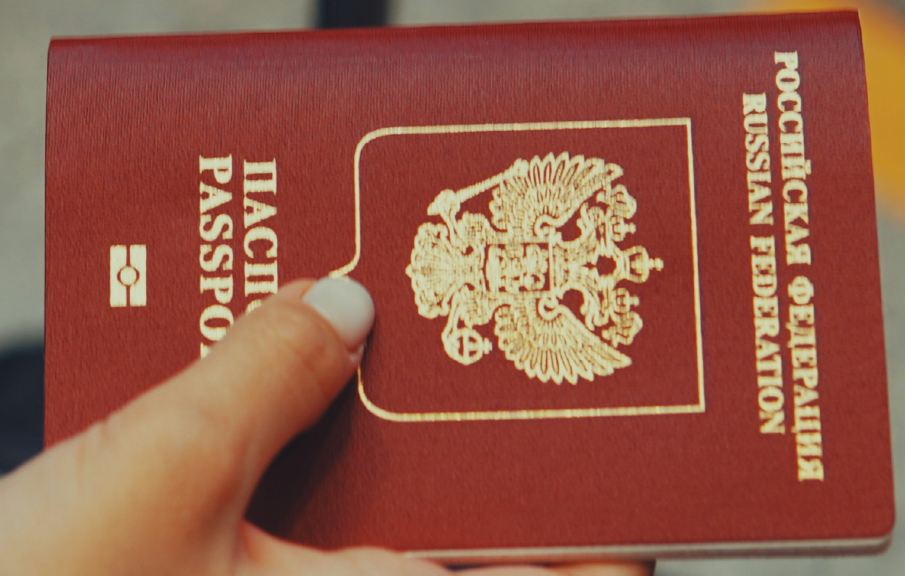
Visa Global Guide
Visa Global Guide: Everything You Need to Know Before Traveling Abroad
International travel has become more accessible than ever, whether for tourism, education, employment, business, or family visits. However, before booking your flight or packing your bags, one of the most important requirements is obtaining the correct visa. Understanding how visa systems work can save you time, money, and unnecessary stress.
This Visa Global Guide explains the different types of visas, application processes, common requirements, and practical tips to improve your chances of approval.
What Is a Visa?
A visa is an official authorization issued by a country’s government that allows a foreign national to enter, stay in, or transit through that country for a specified purpose and duration.
Depending on the destination, a visa may be:
- A stamp placed inside your passport
- A sticker attached to your passport
- An electronic visa (eVisa)
- A digital travel authorization linked to your passport
Having a visa does not always guarantee entry. Immigration officers at the border have the final authority to admit or deny entry based on your documentation and eligibility.
Why Countries Require Visas
Governments use visas to:
- Manage immigration
- Protect national security
- Monitor visitors
- Prevent illegal employment
- Control the length of stay
- Collect travel information
- Promote orderly international travel
Visa policies differ widely from one country to another.
Common Types of Visas
Tourist Visa
A tourist visa allows travelers to visit a country for leisure, sightseeing, or visiting friends and relatives. It generally does not permit employment.
Business Visa
Business visas are intended for individuals attending meetings, conferences, trade exhibitions, negotiations, or short-term business activities.
Student Visa
Students admitted to recognized educational institutions usually require a student visa before beginning their studies abroad.
Work Visa
A work visa allows foreign nationals to take up employment in another country. Many countries require a confirmed job offer before issuing this type of visa.
Transit Visa
Transit visas are issued to travelers passing through a country on their way to another destination.
Family or Spouse Visa
These visas allow individuals to join close family members who are citizens or legal residents of another country.
Medical Visa
Medical visas are granted to people traveling abroad for specialized medical treatment.
Diplomatic and Official Visas
Government officials and diplomats traveling on official assignments typically receive special visa categories.
Visa-Free Travel
Some countries have agreements that allow citizens of certain nations to travel without obtaining a visa beforehand.
Visa-free travel usually comes with conditions such as:
- Maximum length of stay
- Tourism or business purposes only
- No employment rights
- Valid passport requirements
Always confirm the latest entry rules before traveling, as visa policies can change.
Electronic Visas (eVisas)
Many countries now offer electronic visas, allowing applicants to complete the process online without visiting an embassy.
Benefits include:
- Faster processing
- Online applications
- Reduced paperwork
- Convenient payment methods
- Digital approval notifications
Applicants should use only official government immigration websites when applying.
Visa on Arrival
Some destinations issue visas after travelers arrive at the airport or border crossing.
Even when a visa on arrival is available, travelers should check:
- Eligibility based on nationality
- Required documents
- Visa fees
- Accepted payment methods
- Entry conditions
Not every traveler qualifies for a visa on arrival.
Standard Visa Requirements
Although requirements differ by country, applicants are commonly asked to provide:
- A valid passport
- Completed visa application form
- Recent passport photographs
- Proof of accommodation
- Flight reservation or travel itinerary
- Financial statements
- Travel insurance (where required)
- Invitation letter (if applicable)
- Employment or school documents
- Visa application fee receipt
Providing accurate and complete information is essential.
Visa Application Process
The process generally follows these steps:
1. Determine the Correct Visa Type
Choose the visa that matches your reason for travel.
2. Review Eligibility Requirements
Visit the official immigration or embassy website to understand the requirements.
3. Prepare Your Documents
Gather all required documents before starting your application.
4. Submit the Application
Applications may be submitted:
- Online
- At an embassy
- At a consulate
- Through an authorized visa application center
5. Attend a Biometrics Appointment
Some countries collect fingerprints and photographs during the application process.
6. Attend an Interview
Certain visa categories require applicants to attend an interview.
7. Wait for Processing
Processing times vary depending on:
- Country
- Visa type
- Application volume
- Security checks
- Time of year
8. Receive Your Decision
If approved, your visa will be issued according to the destination country’s procedures.
Common Reasons for Visa Refusal
Visa applications may be rejected for several reasons, including:
- Incomplete documentation
- False information
- Insufficient financial evidence
- Weak travel history
- Lack of proof that you will return home
- Criminal history
- Security concerns
- Previous immigration violations
A refusal does not necessarily prevent future applications, provided the underlying issues are addressed.
Tips for a Successful Visa Application
To improve your chances of approval:
- Apply well before your travel date.
- Ensure your passport is valid for the required period.
- Submit genuine and accurate documents.
- Demonstrate sufficient financial support.
- Explain your travel purpose clearly.
- Follow all embassy instructions.
- Keep copies of every submitted document.
- Attend appointments on time.
- Answer interview questions honestly and confidently.
Visa Processing Times
Processing times differ significantly between countries and visa categories.
Factors that may affect processing include:
- Peak travel seasons
- Security screening
- Additional document requests
- Public holidays
- Embassy workload
Applying early helps avoid last-minute travel disruptions.
Travel Insurance and Visas
Some countries require visitors to have travel insurance before granting a visa.
Travel insurance may cover:
- Medical emergencies
- Trip cancellations
- Lost baggage
- Emergency evacuation
- Personal liability
Always confirm whether insurance is mandatory for your destination.
Understanding Visa Validity
A visa typically includes:
- Issue date
- Expiration date
- Number of permitted entries
- Maximum duration of stay
- Visa category
Travelers should understand these details carefully to avoid overstaying or violating visa conditions.
Overstaying a Visa
Remaining in a country beyond the authorized period can result in:
- Fines
- Deportation
- Entry bans
- Difficulty obtaining future visas
- Legal consequences
Always leave the country before your authorized stay expires unless you have obtained an approved extension.
Important Travel Documents
Besides your visa, you may also need:
- Passport
- Return ticket
- Hotel reservation
- Travel insurance certificate
- Vaccination records (where required)
- Financial evidence
- Invitation letter
- Employment confirmation
Immigration officers may request these documents upon arrival.
Final Thoughts
Navigating international visa requirements may seem complicated, but careful planning and accurate documentation can make the process much smoother. Every destination has its own immigration rules, so it is essential to research the latest requirements through official government sources before applying.
Whether you are traveling for a vacation, pursuing higher education, attending business meetings, or starting a new job abroad, obtaining the correct visa is a critical step toward a successful journey. By preparing early, following the application guidelines, and ensuring all documents are complete and truthful, you can improve your chances of approval and enjoy a stress-free travel experience.



Leave a reply




Africa’s Source for Breaking News | Entertainments | Health | Finance | Sports | Lifestyle and Business News.


