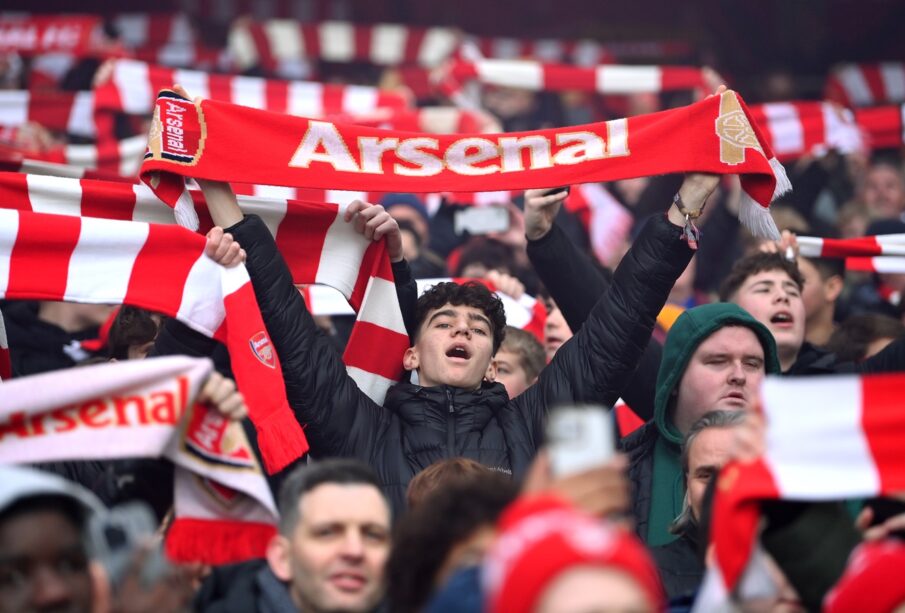
Sports loyalty is one of the most powerful emotional bonds in modern society.
Across continents, cultures, and generations, fans dedicate time, money, and emotion to teams that sometimes win, and often lose. Whether it’s supporters of Manchester United in England, followers of Los Angeles Lakers in the United States, or passionate backers of Super Eagles in Nigeria, the devotion runs deep. But why do fans become so loyal to sports teams in the first place?
The answer lies in psychology, identity, community, and emotion.
1. Identity and Belonging
One of the strongest reasons for sports loyalty is identity. Supporting a team becomes part of who a person is.
When someone says, “I’m a Chelsea fan,” they’re not just stating a preference, they’re declaring a tribe. The team’s colors, logo, history, and values become woven into personal identity. For many fans, allegiance is inherited. A father supports a team, then the children grow up wearing the same jersey. Loyalty becomes tradition. It’s not just about sport; it’s about family history.
2. Community and Social Connection
Sports create instant community. Wearing a team’s jersey in a crowded place often sparks conversation with strangers. In cities like Lagos, match days bring viewing centers alive. Fans gather, argue, celebrate, and sometimes mourn together. The shared emotional experience strengthens bonds between people who may otherwise have little in common.
Supporting a team offers something powerful: a sense of belonging to something larger than oneself.
3. Emotional Highs and Lows
Sports trigger intense emotional reactions. A last-minute goal, a dramatic comeback, or a heartbreaking loss creates adrenaline-fueled memories that stick. Psychologists call this “emotional investment.” When fans repeatedly experience strong emotions connected to a team, their attachment deepens.
Victories feel personal. Losses hurt personally. Over time, this emotional rollercoaster builds loyalty that logic alone cannot break.
4. Shared History and Nostalgia
Teams carry history, championships, legendary players, unforgettable moments. Think of how fans of Golden State Warriors remember their championship era, or how supporters of FC Barcelona cherish historic rivalries and iconic players.
Fans who lived through these moments develop nostalgia. Even during rebuilding years, loyalty remains because of the memories attached to past glory.
5. The Underdog Effect
Interestingly, loyalty isn’t only about winning. Some fans are fiercely devoted to teams that rarely lift trophies.
Supporting an underdog gives fans a sense of resilience and pride. When victory finally comes, it feels earned, not expected. That emotional payoff can be even stronger than supporting a dominant team.
6. Regional and Cultural Pride
In many countries, teams represent cities, regions, or entire nations. Supporting them becomes an act of cultural pride. When the Super Eagles play in international tournaments, millions of Nigerians rally behind them. The team symbolizes national identity, unity, and hope.
Sports loyalty often goes beyond the game, it becomes a statement of where you’re from and who you stand with.
7. Ritual and Routine
Watching games every weekend, wearing lucky jerseys, arguing about lineups, these rituals create structure in people’s lives. Rituals build attachment. The consistency of following a team over years creates habit-based loyalty. Even during poor seasons, fans keep showing up because it’s part of their routine.
8. Psychological Investment (The “Sunk Cost” Effect)
After spending years watching matches, buying merchandise, debating tactics, and defending the team in arguments, walking away feels almost impossible. The time and emotional energy invested make loyalty self-reinforcing. Fans feel committed because they’ve already given so much.
9. Heroes and Storytelling
Sports are driven by stories, rising stars, dramatic rivalries, redemption arcs, legendary captains. Fans connect deeply with individual players and coaches. When those figures become symbols of perseverance, skill, or charisma, they strengthen loyalty to the entire team.
Sports teams are not just organizations; they are ongoing stories, and fans become characters in those stories.
Conclusion
Sports loyalty isn’t irrational, it’s deeply human. It fulfills core needs for identity, belonging, emotional expression, and shared experience. From local clubs to global giants, fans stay loyal not just because of trophies, but because of connection. A sports team becomes family, memory, culture, and community all at once.
And that’s why, no matter how many seasons pass, true fans rarely switch sides.