
Bulk Food Buying And Household Expenses
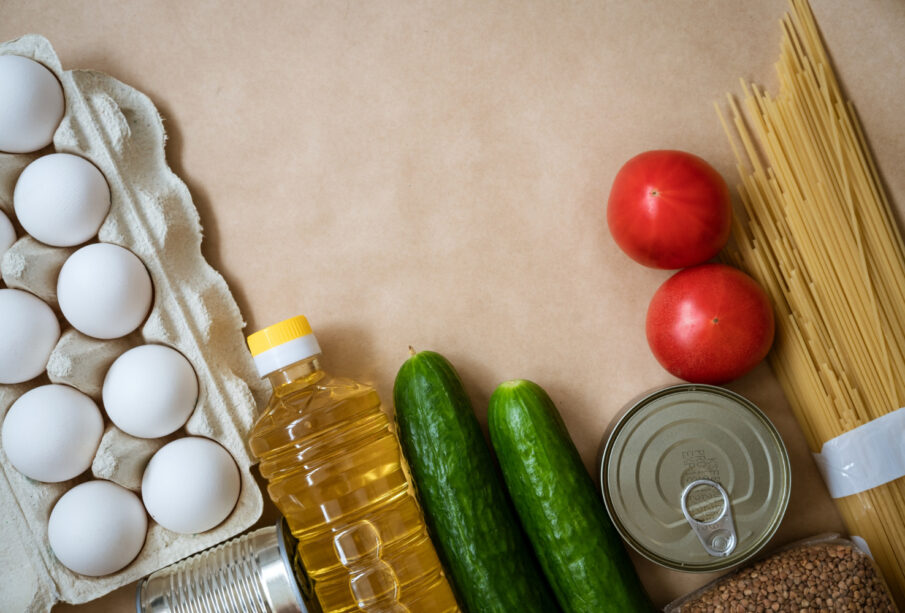
In a time when the cost of living continues to rise, many households are searching for practical ways to stretch their budgets without sacrificing quality.
One proven strategy is bulk food buying, a simple yet powerful approach that can significantly reduce household expenses when done correctly.
What Is Bulk Food Buying?
Bulk food buying involves purchasing larger quantities of food items at once, rather than buying smaller portions more frequently. These purchases are often made from wholesale stores, local markets, or suppliers that offer discounts for larger quantities.
Why Bulk Buying Saves Money
One of the main reasons bulk buying works is the lower cost per unit. Retail pricing often includes packaging, transportation, and handling costs, which are reduced when items are sold in bulk. This means you pay less per kilogram, liter, or unit compared to individually packaged goods.
Additionally, bulk buying helps you avoid frequent trips to the store. Fewer shopping trips reduce transportation costs and limit impulse purchases, those extra items that quietly inflate your grocery bill.
Reduced Packaging Costs
Bulk items typically use less packaging than individually wrapped products. This not only reduces the price but also benefits the environment. Over time, these small savings add up, making a noticeable difference in your monthly expenses.
Better Meal Planning
When you buy in bulk, you are more likely to plan your meals in advance. Having a stocked pantry encourages structured cooking habits, reducing reliance on expensive last-minute takeout or convenience foods. Staples like rice, beans, flour, and pasta are especially cost-effective when purchased in bulk and can form the base of many affordable meals.
Protection Against Price Increases
Buying in bulk allows you to stock up on essential items before prices rise. In markets where food prices fluctuate, purchasing larger quantities at a lower price can help shield your household from sudden cost increases.
Ideal Items for Bulk Buying
Not all foods are suitable for bulk purchases. The best items to buy in bulk include:
- Non-perishable goods (rice, grains, pasta)
- Canned foods
- Frozen items
- Household staples like sugar, salt, and cooking oil
Perishable items like fresh fruits, vegetables, and dairy products should only be bought in bulk if you have a plan to use or preserve them quickly.
Storage Matters
Proper storage is key to making bulk buying effective. Without it, food can spoil or become infested, leading to waste instead of savings. Airtight containers, cool storage spaces, and proper labeling can help extend the shelf life of your bulk purchases.
Avoiding Common Pitfalls
While bulk buying can save money, it can also lead to waste if not managed carefully. Avoid buying items you don’t regularly use just because they are cheaper in bulk. Always consider shelf life, storage space, and your household’s consumption habits.
Final Thoughts
Bulk food buying is more than just a shopping strategy, it’s a lifestyle adjustment that promotes smarter spending and better planning. When done thoughtfully, it can significantly reduce household expenses, minimize waste, and bring long-term financial benefits.
By focusing on essential items, planning meals, and storing food properly, households can turn bulk buying into a reliable tool for financial stability.



Leave a reply




Africa’s Source for Breaking News | Entertainments | Health | Finance | Sports | Lifestyle and Business News.


