
Zimbabwe’s Music Scene Right Now
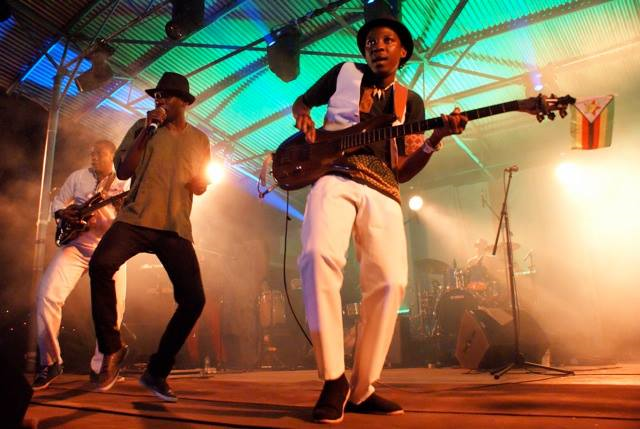
Zimbabwe’s Music Scene Right Now
Zimbabwe’s Music Scene Right Now: Sounds Taking Over the Continent
Zimbabwe’s music scene is entering an interesting new chapter.
For years, the country’s biggest musical exports were strongly associated with legendary names such as Oliver Mtukudzi, Thomas Mapfumo, Alick Macheso, Winky D and Jah Prayzah. Their music established Zimbabwe as a country with a distinctive musical identity built around storytelling, traditional rhythms, Shona and Ndebele languages, live instrumentation and powerful social commentary.
Today, a younger generation is pushing that identity into new territory.
Zimdancehall remains powerful. Hip-hop continues to influence young listeners. Afro-house and amapiano are reshaping dance floors. Afro-pop is becoming increasingly polished. At the same time, artists are mixing Zimbabwean languages, traditional sounds and contemporary production in ways that make their music easier to export across Africa.
The result is a scene that is no longer simply looking inward. Zimbabwean musicians increasingly want to compete for attention across the continent.
Zimdancehall Is Still a Major Force
If there is one genre that continues to define Zimbabwe’s contemporary street culture, it is Zimdancehall.
The genre developed from Jamaican dancehall but has developed its own identity in Zimbabwe. It has become particularly important among young people and has historically provided a platform for artists to discuss unemployment, poverty, relationships, politics, ambition and everyday life. Academic research has also described Zimdancehall as an important space through which young Zimbabweans express social and political frustrations.
Artists such as Winky D, Killer T, Freeman HKD, Enzo Ishall, Seh Calaz and newer voices continue to keep the genre relevant.
But Zimdancehall is changing.
Modern artists are incorporating elements of hip-hop, Afrobeats, amapiano and electronic production. This makes the sound more accessible to listeners who may not traditionally identify as dancehall fans.
The genre’s biggest advantage is its authenticity. The lyrics often sound like conversations people are already having in streets, homes and social media.
That relatability gives Zimbabwean dancehall a potential advantage when crossing borders.
Zimbabwean Hip-Hop Is Getting More Ambitious
Zimbabwe’s hip-hop movement has also matured.
Artists such as Holy Ten have helped create a version of Zimbabwean rap that combines modern trap-inspired production with local language and social commentary.
Holy Ten’s music, for example, frequently addresses issues affecting young people, including unemployment, poverty, mental health and relationships. His 2026 album Risky Life 3 demonstrates his continued activity in the scene, alongside several singles and collaborations released during the year.
The important development is that Zimbabwean rappers are increasingly treating hip-hop as more than an underground culture.
They are building albums, collaborations, live performances and streaming audiences.
The country’s hip-hop sound may not yet have the continental commercial power of Nigerian or South African rap, but its identity is becoming clearer.
And identity matters.
In an African music market increasingly crowded with similar-sounding productions, an artist who can combine contemporary production with unmistakable Zimbabwean storytelling has something valuable to sell.
Amapiano Is Changing the Zimbabwean Sound
No conversation about contemporary African music can ignore amapiano.
The South African genre has spread across the continent, influencing artists from Nigeria to Ghana, Kenya, Tanzania and beyond. Zimbabwe has not been left behind.
But Zimbabwean musicians are not simply copying South African amapiano.
They are adapting it.
Local artists and producers are combining amapiano rhythms with Zimdancehall, Afro-house, hip-hop and Zimbabwean melodies. This creates a hybrid sound that feels familiar while still carrying local character.
The growing relationship between Zimbabwe and South Africa is also helping.
In September 2026, the upcoming HKD Music Festival in Bulawayo announced South African amapiano star Scotts Maphuma alongside Zimbabwean acts including Freeman HKD, Hulengende, Killer T and Bling 4. The festival reflects the increasing musical exchange between Zimbabwe and the wider Southern African market.
This cross-border relationship could become increasingly important.
Music does not respect national borders. A beat that works in Johannesburg can work in Harare, Gaborone, Lusaka or Maputo.
Zimbabwean artists understand this.
Afro-House Is Quietly Building Momentum
While Zimdancehall and hip-hop receive plenty of attention, Afro-house may be one of Zimbabwe’s most interesting emerging opportunities.
In October 2026, nearly 16 Zimbabwean DJs, producers and artists were announced for Inner Visions, a multi-track Afro-house compilation scheduled for November.
The project brings together artists including DJ Stavo, Nitefreak, Dr Chaii, Ryan Synth, MIčI, Reverb and others. It is designed to provide a snapshot of Zimbabwe’s evolving Afro-house scene.
That development is significant.
Afro-house is naturally suited to international audiences because it can travel through clubs, festivals, DJs and streaming playlists without depending entirely on lyrics.
Zimbabwean producers therefore have an opportunity to export their sound through dance culture.
Instead of asking listeners to understand every word, the music can make them move first.
The Rise of Zimbabwean Women in Music
Another important development is the growing visibility of female artists.
Feli Nandi is one of the clearest examples.
In August 2026, she filled the Harare International Conference Centre for her headline concert, joining a relatively small group of Zimbabwean artists to achieve that milestone.
Her success is important because it demonstrates that Zimbabwe’s female artists are not simply supporting acts in a male-dominated industry.
They can headline major shows, build loyal audiences and create commercially viable careers.
Artists such as Nisha Ts and other emerging female performers are also contributing to a broader shift in the industry.
As audiences become more diverse, Zimbabwe’s music industry has an opportunity to give more women space to lead the next wave.
Streaming Is Changing Who Gets Heard
Perhaps the biggest change in Zimbabwean music is not a genre.
It is distribution.
Streaming platforms have made it easier for Zimbabwean musicians to reach listeners outside the country without waiting for traditional record-label structures.
The success of Jnr Spragga illustrates this shift. In August 2026, the Zimdancehall artist reportedly placed six songs inside Apple Music Zimbabwe’s Top 10 at the same time, with “Daka” reaching number one.
That kind of performance shows how streaming can quickly amplify an artist.
It also changes the definition of success.
A Zimbabwean musician no longer needs to become a household name across the entire country before attracting international attention.
A song can move from Harare to Johannesburg, Nairobi, Lagos, London or the diaspora through playlists, TikTok, YouTube and social media.
That creates opportunities for smaller artists with strong digital strategies.
Nutty O and the Push Beyond Zimbabwe
Nutty O is another artist demonstrating the country’s international ambitions.
His album Different Root debuted at number one in Zimbabwe, while the artist has been building connections with audiences and musicians in Nigeria, Jamaica, Europe and the United Kingdom.
His approach represents an important lesson for Zimbabwean artists.
Going global does not necessarily mean abandoning local identity.
It can mean taking that identity somewhere new.
The phrase “different root” captures the opportunity perfectly. Zimbabwean musicians can use international production standards while keeping their languages, stories, rhythms and cultural references.
That combination could become their competitive advantage.
Collaboration Could Be Zimbabwe’s Biggest Opportunity
The next stage of Zimbabwe’s music growth will probably depend heavily on collaboration.
South African artists provide an obvious connection because of geographical proximity and the strength of amapiano.
But there are also opportunities with Nigeria, Ghana, Tanzania, Kenya and other African markets.
A Zimbabwean rapper appearing on a Nigerian record can introduce Zimbabwean flows to millions of listeners. A Zimbabwean dancehall artist working with a Jamaican producer can connect Southern Africa with the Caribbean. An Afro-house producer collaborating with South African DJs can enter international club circuits.
The possibilities are enormous.
And Zimbabwe’s musicians are increasingly thinking this way.
The country’s major artists have spoken about regional collaborations and international expansion as priorities for 2026.
Zimbabwe Is Finding Its Own Place in Africa’s Music Boom
There is one important warning, however.
African music is increasingly being placed under broad labels such as “Afrobeats”, even when the music comes from completely different traditions. A recent debate highlighted how this can erase the distinct identities of genres such as amapiano and other emerging African sounds.
Zimbabwe should avoid making the same mistake.
Its music does not need to become another version of Nigerian Afrobeats or South African amapiano to succeed.
The opportunity is to build something recognisably Zimbabwean.
That could mean Zimdancehall with international production. Hip-hop delivered in Shona. Afro-house influenced by Zimbabwean rhythms. Amapiano fused with local melodies. Afro-pop carrying stories that could only have come from Zimbabwe.
That is where the real potential lies.
The Sound Is Moving
Zimbabwe’s music industry may not yet receive the same international attention as Nigeria or South Africa, but the foundations are becoming stronger.
Zimdancehall remains influential. Hip-hop is evolving. Amapiano is being absorbed and reshaped. Afro-house is gaining organised momentum. Female artists are claiming bigger stages. Streaming is opening international doors. And artists such as Nutty O, Holy Ten, Freeman HKD, Feli Nandi, Killer T and Jnr Spragga are helping demonstrate the range of what Zimbabwe can produce.
The next big Zimbabwean sound may not come from a major label.
It could come from a bedroom studio in Harare, a producer in Bulawayo or an independent artist uploading a song that unexpectedly catches fire in Johannesburg, Lagos or Nairobi.
For Zimbabwe, the question is no longer whether its music can travel.
It is how far the new generation can take it.



Leave a reply




Africa’s Source for Breaking News | Entertainments | Health | Finance | Sports | Lifestyle and Business News.


