
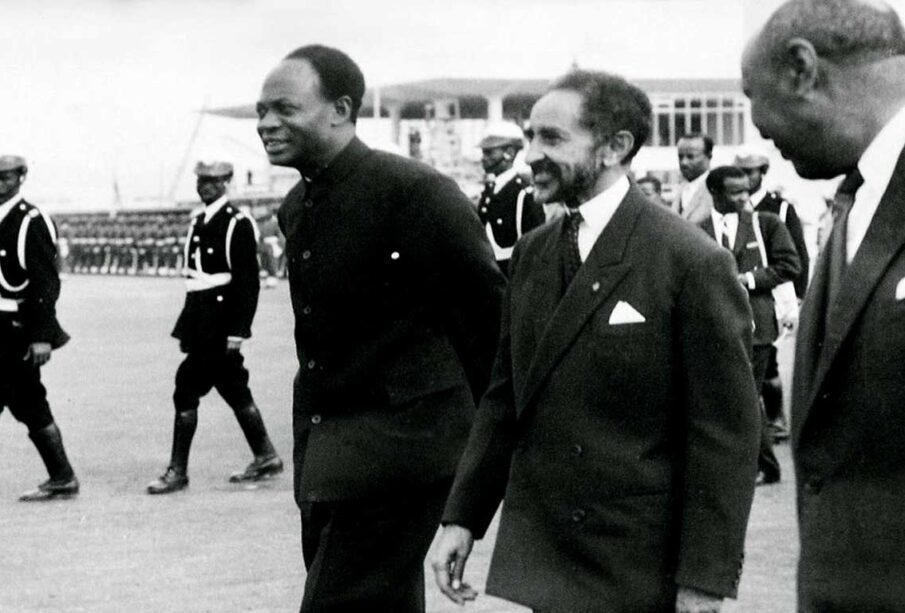
Africa's Most Important Diplomatic Achievements
Africa’s diplomatic history is filled with important moments that shaped the continent and influenced international politics.
From the struggle against colonialism and apartheid to the creation of regional organisations and the promotion of peace, African countries have repeatedly used diplomacy to advance shared interests. Diplomacy has not always produced immediate solutions, but several achievements have had lasting effects on Africa’s political, economic, and social development.
The Creation of the Organisation of African Unity
One of Africa’s most significant diplomatic achievements was the creation of the Organisation of African Unity (OAU) in 1963.
African leaders established the organisation to promote unity, defend the independence of member states, and support countries that were still under colonial rule.
The OAU provided a platform where African governments could coordinate their positions on major continental and international issues. It also helped strengthen the idea that African countries could work collectively to address shared challenges.
Supporting the End of Colonialism
Diplomacy played an important role in Africa’s transition from colonial rule to independence. African leaders used international organisations, diplomatic negotiations, political movements, and international partnerships to draw attention to colonialism and demand self-determination.
The diplomatic pressure contributed to the growing international recognition of African independence movements and helped shape global discussions about the right of peoples to govern themselves.
The Anti-Apartheid Diplomatic Campaign
The struggle against apartheid in South Africa represents another major diplomatic achievement. African countries consistently raised the issue of apartheid in international forums and supported efforts to isolate the apartheid government. Many governments across the continent provided political and diplomatic support to the anti-apartheid struggle.
African diplomacy helped ensure that apartheid remained an international issue rather than being treated solely as an internal South African matter.
The eventual transition to democracy in South Africa in the 1990s became one of the continent’s most important political transformations.
The Formation of the African Union
In 2002, the African Union (AU) replaced the OAU, representing a new phase of continental cooperation.
The AU expanded the vision of African unity by focusing on areas such as peace and security, economic integration, governance, infrastructure, and development.
The organisation also created institutions and initiatives designed to strengthen cooperation among African states and increase the continent’s influence in global affairs.
Regional Peacebuilding Efforts
African countries have increasingly taken responsibility for resolving conflicts within the continent.
Regional organisations such as the Economic Community of West African States (ECOWAS), the Southern African Development Community (SADC), the East African Community (EAC), and others have participated in mediation, peace negotiations, election diplomacy, and conflict-resolution efforts.
These initiatives demonstrate the growing recognition that African countries can play a leading role in addressing African conflicts.
The Negotiation of Peace Agreements
African diplomacy has contributed to several important peace processes.
Governments, regional organisations, traditional leaders, civil society groups, and international partners have participated in negotiations aimed at ending conflicts and creating political settlements.
Although peace agreements can face significant challenges during implementation, successful negotiations can create opportunities for disarmament, reconstruction, political participation, and economic recovery.
The African Continental Free Trade Area
The establishment of the African Continental Free Trade Area (AfCFTA) represents one of Africa’s most ambitious economic diplomatic achievements.
The agreement seeks to increase trade among African countries by reducing barriers and creating a more integrated continental market.
Greater economic integration could encourage investment, expand markets for African businesses, support industrialisation, and create opportunities for entrepreneurs across the continent.
It also demonstrates the ability of African governments to negotiate a shared economic framework despite differences in national interests.
Collective Action on Global Issues
African countries have increasingly coordinated their positions on international issues.
Through continental and regional organisations, governments can negotiate collectively on matters such as climate change, development financing, trade, public health, migration, and international security.
A coordinated position can give African countries greater influence than individual countries might have when negotiating with larger global powers.
African Mediation and Peace Diplomacy
African leaders and institutions have also become involved in diplomatic efforts beyond their own borders.
Former presidents, regional organisations, and continental institutions have participated in mediation initiatives involving political crises and conflicts.
These efforts demonstrate the growing recognition of African diplomatic expertise and the importance of locally informed approaches to conflict resolution.
Diplomatic Cooperation During Global Crises
African countries have also strengthened cooperation during major global challenges.
The COVID-19 pandemic, for example, highlighted the importance of continental coordination on healthcare, trade, border management, and access to essential medical supplies.
The experience reinforced the value of collective diplomacy when individual countries face challenges that cross national borders.
Growing African Representation in Global Diplomacy
African countries have consistently pushed for greater representation in major international institutions.
The continent’s diplomatic efforts have focused on issues such as reform of the United Nations Security Council, greater representation in international financial institutions, fairer global trade arrangements, and stronger African participation in decisions affecting the global economy.
While many reforms remain unfinished, the continued diplomatic campaign has helped keep African representation on the international agenda.
Why These Achievements Matter
Africa’s diplomatic achievements demonstrate that the continent’s influence extends beyond military and economic power.
Through negotiation, coalition-building, mediation, regional cooperation, and international advocacy, African countries have influenced major political and economic developments.
Diplomacy has also provided a way for countries with different languages, cultures, political systems, and economic interests to identify areas of common purpose.
Conclusion
Africa’s diplomatic achievements have helped shape the continent’s modern history. From the fight against colonialism and apartheid to the creation of continental institutions, regional peace efforts, and the African Continental Free Trade Area, diplomacy has played a central role in Africa’s development.
The continent still faces significant diplomatic challenges, but its history shows that collective action can produce meaningful results. As African countries continue to strengthen cooperation, diplomacy will remain an important tool for advancing peace, economic integration, and Africa’s voice in global affairs.




Leave a reply




Africa’s Source for Breaking News | Entertainments | Health | Finance | Sports | Lifestyle and Business News.


