
The Future of Streaming Entertainment
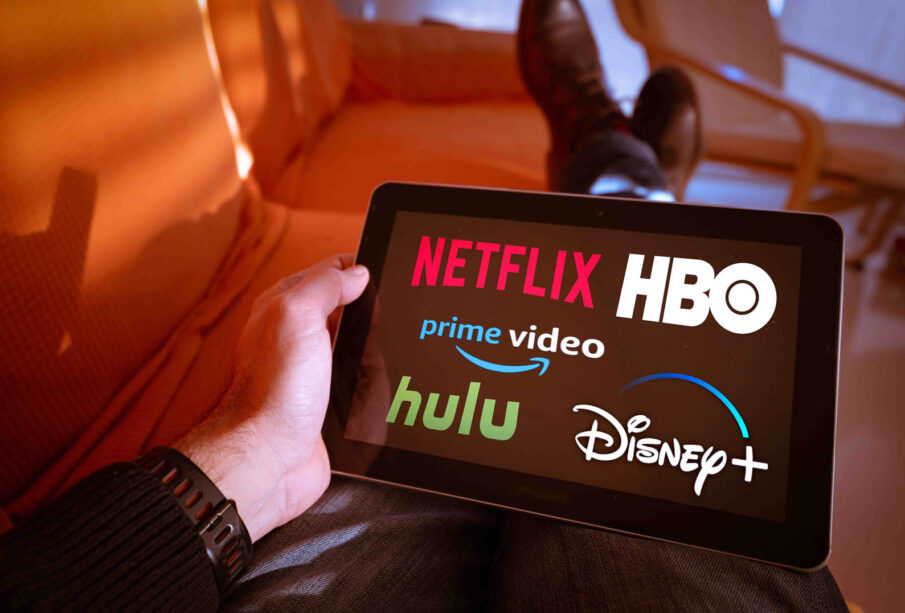
The Future of Streaming Entertainment
Streaming entertainment has transformed the way people watch movies, television shows, documentaries, sports, and other digital content.
Instead of waiting for scheduled programmes or purchasing physical media, audiences can now access entertainment whenever and wherever they want. As internet access improves, smartphones become more affordable, and digital platforms continue to expand, streaming is likely to play an even greater role in the future of entertainment. However, the industry is also changing rapidly as consumers demand better content, lower costs, greater convenience, and more personalized experiences.
The Rise of On-Demand Entertainment
Traditional television depended heavily on fixed schedules. Viewers had to organize their time around programmes they wanted to watch.
Streaming reversed that model. Platforms now allow audiences to choose what they want to watch and when they want to watch it. This convenience has changed viewing habits, particularly among younger audiences.
The popularity of on-demand entertainment is likely to continue because consumers increasingly value flexibility. People can watch content during a commute, after work, at home, or while travelling.
More Personalized Viewing
One of the most important developments in streaming is personalization.
Streaming platforms collect information about viewing habits and use algorithms to recommend movies, shows, music, and other content that may interest individual users.
In the future, these recommendations could become even more sophisticated. Platforms may better understand viewing patterns, preferred genres, viewing times, and individual interests.
However, personalization also raises questions about privacy and how much consumer data entertainment companies should collect.
The Growth of African Content
Streaming is creating new opportunities for African filmmakers, musicians, comedians, and other creators.
For many years, African entertainment often struggled to reach international audiences because distribution channels were limited. Digital platforms have changed this by allowing content produced in African countries to reach viewers around the world.
Nollywood, African television dramas, documentaries, comedy, animation, and local-language productions are increasingly attracting international attention.
This trend could encourage more investment in African creative industries while giving filmmakers greater opportunities to tell stories from their own perspectives.
Local Stories for Global Audiences
One of the most exciting aspects of streaming is the ability of local stories to become global successes.
Audiences do not necessarily require every production to reflect Hollywood culture. Viewers are increasingly interested in stories that introduce them to different communities, traditions, languages, and experiences.
African creators can take advantage of this demand by producing high-quality stories that remain culturally authentic while meeting international production standards.
The Role of Artificial Intelligence
Artificial intelligence is likely to influence several areas of the streaming industry.
AI can help platforms analyze viewing patterns, recommend content, detect technical problems, and improve search functions. It may also assist filmmakers with certain aspects of production, editing, subtitles, and visual effects.
However, the use of AI also creates concerns about copyright, creative ownership, employment, and the protection of performers’ likenesses and voices.
The industry will need clear rules to ensure that technological innovation supports creativity rather than undermining it.
Advertising and Subscription Models
Streaming businesses are experimenting with different ways to generate revenue.
Some platforms rely mainly on subscriptions, while others use advertising-supported plans. There are also services that combine subscriptions with advertising or offer different levels of access.
This competition may give consumers more choices, but it can also create frustration when viewers need multiple subscriptions to access the programmes they want.
The future may therefore involve greater competition around pricing, bundled services, and flexible subscription options.
Live Streaming Will Become More Important
Streaming is not limited to recorded movies and television programmes. Live entertainment is also becoming increasingly important.
Sports competitions, concerts, award shows, conferences, gaming events, and cultural celebrations can all reach audiences through live streaming.
For African audiences, this can provide new opportunities to follow international events while also helping local creators and event organizers reach viewers beyond their immediate locations.
Better Mobile Streaming
Mobile devices are likely to remain central to the future of streaming, particularly in markets where smartphones are more accessible than traditional computers or televisions.
Improved mobile networks and more affordable data plans can make streaming easier for millions of people.
Platforms that optimize video quality for different internet speeds will be particularly valuable. Viewers with slower connections should still be able to access content without excessive buffering or data consumption.
The Challenge of Rising Competition
The streaming market has become increasingly competitive. New platforms are entering the industry while established companies continue to invest heavily in original content.
This competition can benefit consumers by increasing the amount and variety of available entertainment. However, it also creates pressure on platforms to produce successful content consistently.
For smaller African streaming services, competing with large international companies may require a strong focus on local stories, affordable pricing, regional partnerships, and a deep understanding of their audiences.
Protecting Creators and Intellectual Property
Piracy remains a major concern for the entertainment industry.
When movies, shows, music, or other content are illegally copied and distributed, creators and production companies can lose significant revenue.
The future of streaming will require stronger digital rights management, effective enforcement, and affordable legal access to content. If legitimate services remain convenient and reasonably priced, consumers may have fewer reasons to turn to illegal alternatives.
What the Future May Look Like
The streaming experience of the future may be more interactive and immersive than today’s model.
Viewers could have greater control over storylines, access to interactive programmes, participate in live discussions, or experience entertainment through virtual and augmented reality technologies.
At the same time, traditional forms of storytelling are unlikely to disappear. Great stories will remain at the heart of entertainment regardless of the technology used to deliver them.
Conclusion
The future of streaming entertainment will be shaped by technology, consumer behavior, creativity, and competition. Personalization, artificial intelligence, mobile access, live streaming, and the growing international demand for local content will continue to influence the industry.
For Africa, streaming represents an especially important opportunity. It can connect local creators with global audiences, create new jobs, encourage investment in entertainment, and give African stories greater visibility.
As the industry evolves, the platforms that succeed will likely be those that combine technological innovation with affordable access, high-quality content, strong creator partnerships, and a genuine understanding of their audiences.




Leave a reply




Africa’s Source for Breaking News | Entertainments | Health | Finance | Sports | Lifestyle and Business News.


