Culinary Tourism Across the Continent

Culinary Tourism Across the Continent
Culinary Tourism Across the Continent: Discovering Africa One Dish at a Time
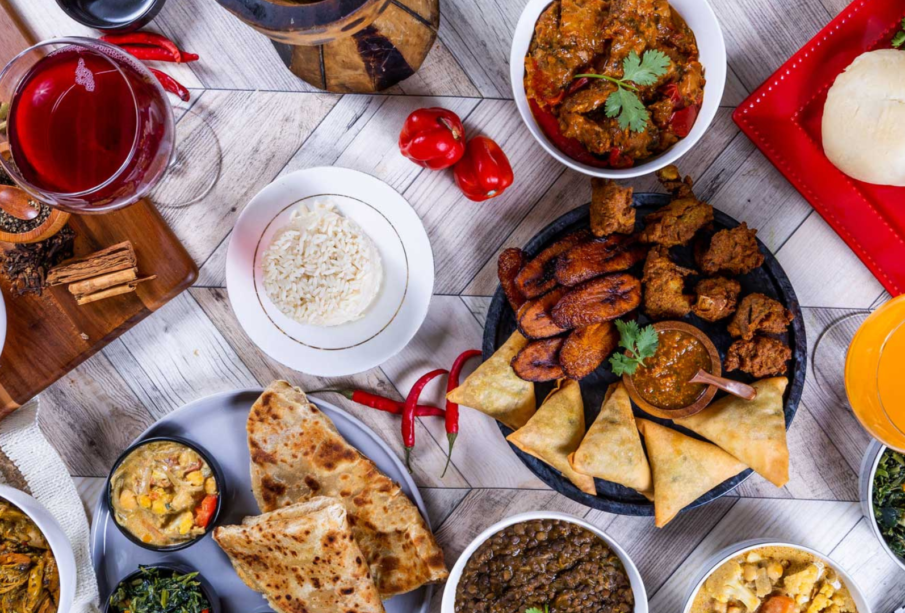
Food has always been more than nourishment. It tells stories, preserves traditions, and reflects the identity of a people. Across Africa, culinary tourism has become one of the fastest-growing travel experiences, allowing visitors to connect with cultures through authentic local meals, bustling markets, cooking classes, and regional delicacies.
Rather than simply visiting famous landmarks, today’s travelers increasingly seek memorable food experiences. Consequently, African countries now showcase their rich culinary heritage as an essential part of their tourism offerings. From North Africa’s fragrant tagines to Southern Africa’s famous braais, every region presents flavors that reveal centuries of history and cultural exchange.
This article explores why culinary tourism is thriving across Africa, highlights notable food destinations, and explains how food experiences benefit travelers and local communities alike.
What Is Culinary Tourism?
Culinary tourism, sometimes called food tourism or gastronomy tourism, involves traveling to experience a destination through its cuisine. Instead of eating familiar international dishes, travelers intentionally seek authentic local meals, traditional cooking methods, indigenous ingredients, and cultural dining experiences.
Moreover, culinary tourism often includes:
- Visiting local markets
- Participating in cooking classes
- Sampling regional street foods
- Touring farms and plantations
- Attending food festivals
- Dining with local families
- Exploring traditional food production
As a result, travelers gain a deeper understanding of local customs while supporting regional economies.
Why Africa Is Becoming a Culinary Tourism Destination
Africa offers one of the world’s most diverse culinary landscapes. The continent contains thousands of ethnic groups, each with unique cooking traditions, ingredients, and recipes passed down through generations.
Several factors continue to fuel the growth of culinary tourism across Africa.
Rich Cultural Diversity
Every African region has developed distinctive food traditions influenced by geography, climate, religion, migration, and trade. Therefore, no two countries offer identical culinary experiences.
For example:
- West Africa is known for spicy stews, jollof rice, and grilled meats.
- East Africa features aromatic pilau, fresh seafood, and chapati.
- North Africa blends Mediterranean and Middle Eastern influences.
- Central Africa emphasizes root crops, forest ingredients, and freshwater fish.
- Southern Africa combines indigenous traditions with European influences.
Consequently, travelers can enjoy entirely different culinary adventures without leaving the continent.
Fresh Local Ingredients
African cuisine relies heavily on locally sourced ingredients, including:
- Cassava
- Yam
- Millet
- Sorghum
- Plantain
- Okra
- Baobab fruit
- Teff
- Fresh seafood
- Indigenous vegetables
- Tropical fruits
Because many meals use seasonal produce, visitors often enjoy flavors unavailable elsewhere.
Authentic Cultural Experiences
Food connects directly to celebrations, family traditions, storytelling, and hospitality. Therefore, culinary tourism often includes cultural immersion rather than simply eating at restaurants.
Many travelers appreciate opportunities to:
- Cook alongside local families
- Learn traditional recipes
- Visit village farms
- Attend harvest festivals
- Experience communal dining
These experiences create lasting memories while encouraging cultural appreciation.
Top Culinary Destinations Across Africa
Morocco
Morocco ranks among Africa’s premier food destinations. Visitors enjoy flavorful tagines, couscous, harira soup, mint tea, and freshly baked bread.
Popular culinary experiences include:
- Exploring spice markets
- Taking tagine cooking classes
- Visiting traditional bakeries
- Dining in riads
- Sampling street food in Marrakech
The country’s blend of Arab, Berber, African, and Mediterranean influences creates exceptional culinary diversity.
Nigeria
Nigeria’s vibrant food culture reflects its many ethnic groups. Every region contributes unique specialties that attract adventurous food lovers.
Popular dishes include:
- Jollof rice
- Suya
- Egusi soup
- Pounded yam
- Ofada rice
- Boli
- Pepper soup
- Akara
Cities such as Lagos, Ibadan, Port Harcourt, Kano, and Abuja feature thriving food scenes ranging from luxury restaurants to bustling street vendors.
Furthermore, local food festivals increasingly attract international visitors eager to experience Nigerian hospitality.
Ethiopia
Ethiopia offers one of Africa’s most distinctive dining traditions. Meals typically center around injera, a fermented flatbread served with various stews known as wats. Equally important is Ethiopia’s famous coffee ceremony, which introduces visitors to one of the world’s oldest coffee cultures.
Dining often becomes a communal experience, encouraging conversation and shared hospitality.
South Africa
South Africa combines African, Dutch, British, Indian, and Malay culinary influences.
Popular experiences include:
- Braai celebrations
- Cape Malay cuisine
- Wine tourism
- Seafood dining
- Farm-to-table restaurants
- Gourmet markets
Additionally, regions such as Cape Town and the Winelands offer internationally recognized food and wine experiences.
Ghana
Ghana’s culinary traditions continue gaining international attention.
Travelers enjoy:
- Waakye
- Banku
- Fufu
- Kenkey
- Tilapia
- Kelewele
Many visitors also explore vibrant food markets and street food districts that showcase local flavors.
Kenya
Kenya offers diverse culinary experiences influenced by numerous ethnic communities and Indian Ocean trade.
Popular dishes include:
- Nyama choma
- Ugali
- Pilau
- Mandazi
- Fresh coastal seafood
Food tours often combine cultural villages, coffee farms, and wildlife safaris for a complete travel experience.
Street Food: The Heart of African Culinary Tourism
Street food introduces visitors to authentic everyday life.
Across African cities, travelers discover affordable dishes prepared using recipes perfected over generations.
Popular street foods include:
- Suya (Nigeria)
- Bunny chow (South Africa)
- Sambusas (East Africa)
- Kelewele (Ghana)
- Chips mayai (Tanzania)
- Brochettes (Rwanda)
- Mshikaki (Kenya)
- Brik (Tunisia)
Moreover, street food vendors often become informal cultural ambassadors, sharing stories behind each recipe.
Local Markets Offer More Than Shopping
Visitors can:
- Taste fresh produce
- Discover local spices
- Learn ingredient names
- Watch traditional cooking techniques
- Meet farmers and artisans
Markets also reveal how food supports everyday community life.
Culinary Festivals Across Africa
Food festivals celebrate local traditions while attracting international visitors.
These events often feature:
- Regional cooking competitions
- Cultural performances
- Local chefs
- Traditional music
- Food tastings
- Agricultural exhibitions
As tourism grows, many African cities continue investing in annual food festivals that showcase regional cuisine.
Benefits of Culinary Tourism
Supports Local Economies
Culinary tourism creates income opportunities for:
- Farmers
- Fishermen
- Restaurant owners
- Street vendors
- Tour guides
- Food producers
- Artisans
- Hospitality workers
As visitor spending increases, communities benefit through job creation and business growth.
Preserves Traditional Recipes
Many family recipes survive because they remain valuable tourism attractions. Consequently, younger generations become more interested in preserving traditional cooking methods and indigenous ingredients.
Encourages Sustainable Agriculture
Growing demand for authentic local cuisine encourages restaurants to purchase fresh ingredients from nearby farms. This approach strengthens local food systems while reducing transportation costs and environmental impacts.
Promotes Cultural Understanding
Sharing meals naturally encourages conversation and connection. Visitors gain insight into customs, history, and daily life while local communities proudly share their culinary heritage.
As a result, food becomes a bridge between cultures.
Tips for Culinary Travelers
To make the most of a food-focused African adventure:
- Research local specialties before traveling.
- Visit trusted street food vendors with high customer turnover.
- Explore traditional markets early in the morning.
- Join guided food tours led by local experts.
- Respect local dining customs and etiquette.
- Try regional dishes outside major tourist areas.
- Stay hydrated and practice good food hygiene.
- Purchase locally produced food products as souvenirs.
These simple steps can enhance both safety and enjoyment throughout the journey.
The Future of Culinary Tourism in Africa
Africa’s culinary tourism sector continues to expand as travelers seek authentic, experience-driven vacations. Social media, food bloggers, cooking shows, and digital travel platforms have introduced millions of people to the continent’s rich gastronomic traditions.
At the same time, governments, tourism boards, chefs, and entrepreneurs increasingly recognize food as a powerful tool for promoting destinations and supporting sustainable economic development. Investments in culinary schools, food festivals, farm-to-table experiences, and cultural heritage initiatives are helping position Africa as a premier destination for global food enthusiasts.
Looking ahead, culinary tourism is likely to become an even more significant driver of travel across the continent, creating opportunities for local communities while preserving treasured food traditions for future generations.
Conclusion
Culinary tourism offers one of the most rewarding ways to explore Africa. Every meal tells a story of history, culture, resilience, and creativity. Whether savoring a fragrant Moroccan tagine, enjoying Nigerian suya at a lively roadside stand, sharing injera during an Ethiopian meal, or gathering around a South African braai, travelers experience far more than delicious food, they connect with the people and traditions that make each destination unique.
As interest in authentic travel continues to grow, Africa’s diverse cuisines are poised to become one of the continent’s greatest tourism assets. For anyone seeking unforgettable experiences, the journey across Africa is best enjoyed one delicious bite at a time.
Lessons Learned From Africa’s Growth Story
July 16, 2026The Future of Entrepreneurship in Africa
July 16, 2026Africa’s Biggest Opportunities for the Next Decade
July 16, 2026
Leave a reply Cancel reply
More News
-
Easy Ways to Shop on Amazon Prime Day
November 3, 2023 -
Simple Health Habits With Long-Term Benefits
February 23, 2026
Latest Posts
-
Lessons Learned From Africa’s Growth Story
July 16, 2026 -
The Future of Entrepreneurship in Africa
July 16, 2026 -
Culinary Tourism Across the Continent
July 16, 2026 -
Africa’s Biggest Opportunities for the Next Decade
July 16, 2026 -
The Evolution of African Fashion and Lifestyle
July 15, 2026
Weekly Podcast
Travel News
-
Culinary Tourism Across the Continent
July 16, 2026 -
Travel Safety Tips for African Adventures
July 11, 2026 -
How Local Communities Protect Wildlife
July 8, 2026
Personal Development
-
Lessons Learned From Africa’s Growth Story
July 16, 2026 -
How to Maintain Long-Term Relationships
July 14, 2026 -
Community Development Success Stories
July 14, 2026