
Dangote’s Next Big Refinery Move
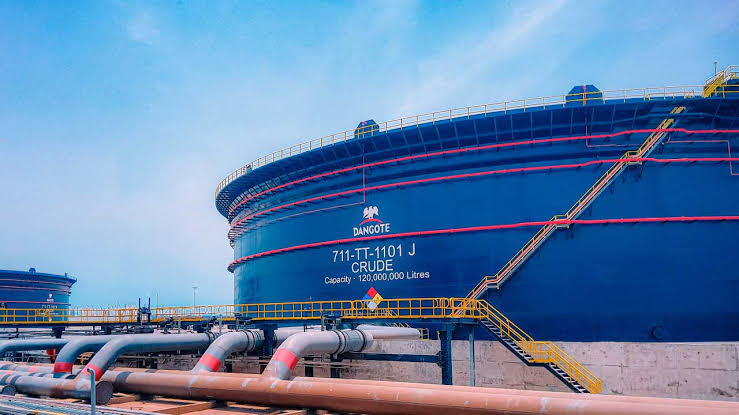
Dangote’s Next Big Refinery Move
From Lagos to Lamu: Dangote’s Next Big Refinery Move
Africa’s energy industry is entering a new phase. Across the continent, countries want to reduce their dependence on imported petroleum products. They also want stronger local industries and more reliable energy supplies.
Nigeria has already taken a major step in this direction. The Dangote Petroleum Refinery in Lagos has changed the conversation around local refining. Now, Dangote’s expansion into East Africa could take that conversation even further.
The proposed refinery in Lamu, Kenya, represents a major move beyond Nigeria. It could also reshape petroleum supply across East Africa.
However, the project is still at an early stage. Its final impact will depend on financing, construction, crude supply, infrastructure, regulation, and regional demand.
From Lagos to Lamu
The Dangote Petroleum Refinery in Lagos stands among Africa’s largest industrial projects. The facility has a planned processing capacity of about 650,000 barrels of crude oil per day.
For Nigeria, the refinery addresses a long-standing problem. The country produces large volumes of crude oil. Yet, for years, it imported much of the fuel its citizens used.
That situation created several challenges. Nigeria faced foreign exchange pressure, shipping costs, international price changes, and supply disruptions.
The Dangote refinery aims to change that pattern. Instead of exporting crude and importing large volumes of refined products, Nigeria can process more crude locally.
Now, Dangote is looking beyond Nigeria. Reports on the proposed Lamu project point to a much larger capacity. The refinery is expected to process up to 700,000 barrels of crude oil per day.
If completed as planned, it could become a major source of refined petroleum products for Kenya and other East African markets.
Why Lamu?
Location plays a major role in the refinery plan. Lamu sits on Kenya’s coast. Its position gives the proposed refinery access to maritime trade routes. It also places the project near the wider Lamu Port-South Sudan-Ethiopia Transport Corridor, commonly known as LAPSSET.
That location could support the movement of crude oil and refined products. Furthermore, Lamu could connect Kenya with several markets in the region. These include Uganda, South Sudan, Ethiopia, Rwanda, and other neighbouring economies.
Dangote reportedly considered other locations before choosing Lamu. Tanzania’s Tanga was among the locations linked to earlier discussions.
The decision to pursue Lamu highlights the importance of ports and transport infrastructure in modern energy projects.
A refinery needs more than processing equipment. It needs crude supplies, storage facilities, pipelines, roads, ports, and reliable distribution networks.
Therefore, Lamu’s coastal location could give the project an important logistical advantage.
What Could the Refinery Mean for East Africa?
East Africa relies heavily on imported petroleum products. Kenya, in particular, has an established petroleum distribution network that serves several neighbouring countries.
A large refinery could therefore change the region’s supply structure.
1. Less Dependence on Imported Fuel
First, local refining could reduce the region’s dependence on refined fuel from distant markets. East African countries currently spend significant amounts on petroleum imports. Those imports also expose consumers and businesses to global price changes.
A regional refinery could shorten some supply chains. It could also create a closer source of petrol, diesel, aviation fuel, and other products.
However, cheaper fuel is not guaranteed.
Crude oil prices will still matter. So will exchange rates, production costs, taxes, transport charges, and distribution expenses.
The refinery could improve supply security without automatically making fuel cheap.
2. More Jobs
Large energy projects create demand for skilled workers. During construction, companies need engineers, builders, electricians, drivers, technicians, security workers, and other professionals.
After construction, the refinery will need a permanent workforce. That workforce could include engineers, plant operators, safety specialists, logistics experts, and maintenance teams.
Local businesses could also benefit.
For example, hotels, transport companies, food vendors, equipment suppliers, and construction firms could see increased demand.
However, the scale of local employment will depend on the project’s hiring policies. Training will also determine how many local workers can access skilled positions.
3. Stronger Regional Trade
The refinery could also support regional trade. A refinery does not operate alone. It depends on suppliers, transport companies, storage facilities, distributors, and industrial customers.
As a result, the project could encourage the growth of supporting businesses around Lamu. It could also strengthen Kenya’s position as an energy and logistics centre.
For landlocked countries, access to a coastal refinery could create another supply option. That could become especially important for countries such as Uganda, Rwanda, South Sudan, and Ethiopia.
Still, commercial agreements will determine which countries actually buy products from the refinery.
The Crude Oil Question
One of the biggest questions concerns crude oil supply. A refinery of this size needs a steady flow of crude. Kenya has oil resources, but those resources may not provide everything the refinery requires.
Therefore, the project could depend on crude from several sources.
Uganda and South Sudan could become important suppliers. International crude markets could also play a role. However, transporting crude across borders presents its own challenges.
Pipelines require huge investments. Governments must also agree on routes, tariffs, security, and operating arrangements.
Therefore, securing the refinery’s crude supply will remain a critical part of the project.
Without reliable crude supplies, a large refinery cannot operate at full capacity.
Financing Will Matter
Another major issue is financing. A project of this scale requires billions of dollars. Investors need confidence that the refinery can generate sufficient returns over many years.
Dangote has experience with large industrial projects. Nevertheless, the Lamu refinery will operate in a different market. The company must consider Kenya’s regulations, East Africa’s fuel demand, infrastructure costs, crude supply, and regional competition.
Financing costs will also matter.
Higher borrowing costs can increase the total cost of a major infrastructure project. Consequently, the project’s financial structure could influence its eventual performance.
Environmental and Community Concerns
Large industrial projects also affect the communities around them.
Lamu has a unique coastal environment. Fishing, tourism, agriculture, and other activities support local communities.
Therefore, the refinery could create opportunities while also creating concerns.
Residents may ask questions about land ownership, compensation, employment, pollution, water use, and environmental protection.
These concerns deserve attention.
A successful industrial project should not only focus on construction and production. It should also consider the people living around the project.
Environmental assessments, community engagement, and transparent compensation processes can help address these concerns.
At the same time, authorities and project developers must follow the relevant laws and regulations.
What Nigeria Can Learn
Dangote’s move into Kenya also carries lessons for Nigeria.
The Lagos refinery shows what large-scale private investment can achieve in Africa’s energy sector. However, the Lamu project could test whether that model can work across different markets.
Nigeria can also benefit from this expansion.
Nigerian engineers, contractors, consultants, suppliers, and other businesses could find opportunities in African infrastructure projects.
More importantly, the project shows that African companies can expand beyond their home markets.
For decades, many African countries depended heavily on foreign companies for major industrial investments.
Now, African businesses are increasingly building projects across national borders.
That shift could support deeper economic integration.
Could Lamu Become an East African Energy Hub?
The proposed refinery could become more than a fuel-processing facility.
Plans associated with the project have also included wider industrial development. That could involve power generation, fertiliser production, chemicals, storage, and logistics.
Such development could create an industrial ecosystem around the refinery.
However, ambition alone cannot guarantee success.
The project must overcome several challenges first. Construction must remain on schedule. Financing must stay available. Crude supplies must remain reliable.
At the same time, the project must satisfy regulatory requirements and address legitimate community concerns.
Regional demand will also matter.
A refinery can produce large volumes of fuel. Yet it needs reliable buyers and efficient distribution systems.
Therefore, the project’s long-term success will depend on both production and market access.
From One African Market to Another
The journey from Lagos to Lamu represents more than a move from West Africa to East Africa.
It reflects a growing interest in African industrial development.
Nigeria has enormous energy resources. Kenya has a strategic coastal location. East Africa has a growing demand for energy.
Bringing these factors together could create new commercial opportunities.
Still, the project should not be viewed as a guaranteed solution to East Africa’s energy challenges.
Its success will depend on execution.
Infrastructure must work. Investors must remain committed. Communities must receive fair treatment. Governments must provide clear rules.
Most importantly, consumers and businesses must ultimately benefit from a stronger energy supply chain.
Conclusion
Dangote’s proposed Lamu refinery could become one of East Africa’s most significant industrial projects. The project could create jobs, strengthen regional trade, increase refining capacity, and reduce some dependence on imported petroleum products.
However, major questions remain.
Crude oil supply must be secured. Financing must remain sustainable. Infrastructure must support the refinery. Environmental concerns must receive serious attention.
The Lagos refinery gives Dangote valuable experience. Lamu, however, presents a different market and a different set of challenges.
If the project moves from plans to successful operation, it could mark another important step in Africa’s industrial story.
The journey from Lagos to Lamu is therefore worth watching. It is not simply the story of another refinery. It is also a story about how African capital, infrastructure, energy, and regional trade could increasingly cross national borders.




Leave a reply




Africa’s Source for Breaking News | Entertainments | Health | Finance | Sports | Lifestyle and Business News.


