
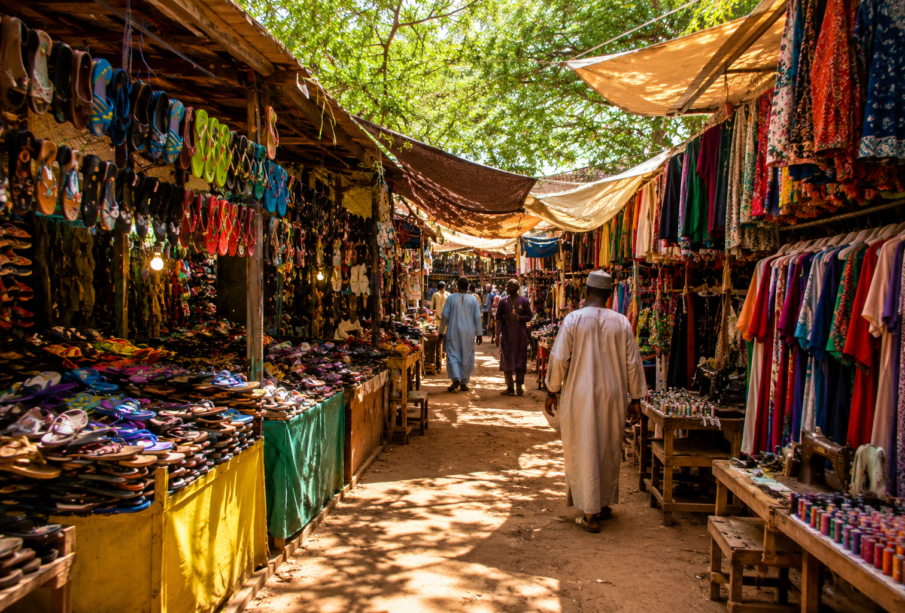
Traditional Market Culture in Modern Africa
Traditional markets have been central to African life for centuries.
Long before the rise of shopping malls, supermarkets, and e-commerce platforms, communities across the continent relied on open markets to exchange goods, share information, build relationships, and sustain local economies. From the bustling markets of Lagos and Kumasi to the historic trading centres of Marrakech and Addis Ababa, these spaces have played an important role in shaping African commerce and cultural identity.
Today, modern Africa is experiencing rapid urbanisation, technological advancement, and changing consumer habits. Despite these developments, traditional markets remain relevant. They continue to provide affordable goods, support small businesses, preserve cultural practices, and connect rural producers with urban consumers.
However, these markets are also adapting to new economic realities. Understanding how traditional market culture operates in modern Africa reveals the relationship between heritage, entrepreneurship, community life, and economic development.
1. The Historical Importance of Traditional African Markets
Traditional markets have deep historical roots across Africa. Before colonial rule and the establishment of modern commercial institutions, communities used local and regional trading networks to exchange agricultural produce, livestock, textiles, pottery, salt, metals, and other essential goods.
Markets such as Kano’s historic Kurmi Market in Nigeria and the Grand Marché in Bamako, Mali, developed within broader trading networks that connected different communities. Traders transported goods across considerable distances, linking agricultural regions with commercial centres.
These exchanges involved more than buying and selling. Markets also facilitated cultural interaction, the spread of ideas, and the development of relationships between ethnic groups.
Many traditional markets still reflect these historical patterns. Their organisation, product offerings, trading customs, and social relationships preserve elements of the commercial systems that sustained African communities for generations.
2. Markets as Centres of Community Life
One defining feature of traditional African markets is their social importance. Unlike many modern retail environments, where transactions are often brief and impersonal, traditional markets frequently encourage direct interaction between buyers and sellers.
Customers may maintain long-standing relationships with particular traders, who understand their preferences, purchasing power, and household needs. Regular buyers often return to familiar stalls because they trust the quality of the products and the honesty of the sellers.
Markets also serve as meeting points where people exchange news, discuss community affairs, share personal experiences, and maintain social connections.
In many communities, market days attract people from neighbouring towns and villages. These gatherings create opportunities for social interaction and strengthen relationships beyond immediate neighbourhoods.
Consequently, the traditional market is not simply a place to purchase food or household supplies. It is also a social institution that contributes to community identity and everyday cultural life.
3. The Role of Women in Traditional Market Culture
Women play a significant role in traditional African markets, particularly in food distribution, agricultural trading, textiles, household goods, and small-scale retail.
Across Nigeria, Ghana, Benin, and other African countries, women operate market stalls, purchase produce from farmers, process food, negotiate prices, and distribute goods to households and businesses.
Their activities support family incomes and contribute to local food security. Many women also pass trading knowledge from one generation to another, teaching younger relatives how to identify quality products, negotiate with suppliers, manage stock, and maintain customer relationships.
In some markets, organised associations and cooperatives help women traders coordinate activities, access shared resources, and represent their interests.
Nevertheless, many women face challenges, including limited access to affordable credit, inadequate storage facilities, rising transportation costs, and exposure to market disruptions.
Supporting women traders through financial services, improved infrastructure, business training, and secure trading spaces can strengthen both their livelihoods and the wider market economy.
4. Bargaining as a Cultural Practice
Bargaining remains one of the most recognisable features of traditional African market culture. Rather than accepting a fixed price immediately, buyers and sellers often negotiate until they reach an acceptable agreement.
In markets across Nigeria, for example, bargaining may involve comparing prices, purchasing several items together, or using humour and friendly conversation to establish a mutually acceptable price.
This practice reflects the flexibility of informal commerce. Traders can adjust prices according to supply, demand, product quality, and the quantity purchased. Customers, meanwhile, can compare offers and negotiate within their budgets.
Bargaining also requires communication skills, patience, and an understanding of local trading customs. For experienced buyers, knowing when and how to negotiate can make everyday shopping more affordable.
However, bargaining practices are changing. Some traders increasingly display fixed prices, particularly when serving younger consumers, busy urban professionals, or customers who prefer predictable transactions.
Both approaches now coexist, illustrating how traditional customs can adapt to changing consumer expectations.
5. Traditional Markets and Local Economic Development
Traditional markets contribute significantly to economic activity by connecting farmers, manufacturers, wholesalers, retailers, transport operators, and consumers.
A farmer supplying tomatoes to an urban market, for example, may depend on transporters, loading workers, wholesalers, and market retailers before the produce reaches household kitchens.
This network creates employment opportunities for people with different skills and levels of formal education.
Markets also provide accessible entry points for entrepreneurship. Compared with some formal retail businesses, small-scale trading may require less initial capital, allowing individuals to start with limited stock and gradually expand their operations.
Furthermore, traditional markets help local products reach wider audiences. Handmade crafts, regional food products, locally woven fabrics, spices, and traditional household items can attract buyers from other parts of the country and beyond.
However, inflation, unreliable electricity, poor roads, high transport costs, and inadequate sanitation can reduce profitability and limit growth.
Investments in market infrastructure, secure storage, clean water, waste management, and accessible transportation can improve trading conditions while supporting local economic development.
6. Technology Is Transforming Traditional Markets
Digital technology is changing how African traders communicate with customers, receive payments, source products, and manage their businesses.
Mobile money and digital payment services allow traders to accept electronic payments instead of relying exclusively on cash. In Nigeria, bank transfers and payment terminals have become familiar features of many urban trading environments.
Social media platforms and messaging applications also help traders display products, announce new stock, communicate prices, and receive orders before customers arrive.
Some businesses combine physical market stalls with online sales. A clothing trader, for example, may serve walk-in customers while using Instagram or WhatsApp to reach buyers in other cities.
These developments expand market access and create opportunities for younger entrepreneurs to participate in established trading communities.
Nevertheless, technological adoption remains uneven. Network disruptions, transaction charges, fraud risks, limited digital skills, and unreliable electricity can discourage some traders.
Practical digital training and affordable payment systems can help traditional markets benefit from technology without losing their distinctive character.
7. Challenges Facing Traditional Markets in Modern Africa
Despite their continuing importance, traditional markets face several challenges.
Competition from modern retail outlets: Supermarkets, shopping centres, and online stores attract consumers through fixed pricing, convenient shopping environments, organised product displays, and delivery services.
Poor infrastructure: Inadequate drainage, overcrowding, insufficient storage, and poor sanitation can affect public health and reduce customer comfort.
Rising operating costs: Higher prices for transportation, rent, packaging, and supplies can reduce traders’ profit margins.
Food loss and waste: Perishable products such as tomatoes, vegetables, fish, and fruit may spoil when refrigeration, storage, and transportation systems are inadequate.
Limited access to finance: Many informal traders struggle to obtain affordable loans because they lack formal financial records or conventional collateral.
Addressing these issues requires cooperation between governments, market associations, financial institutions, and private businesses. Modernisation should improve safety, efficiency, and access to services without unnecessarily displacing existing traders.
8. Preserving Market Heritage While Embracing Modernisation
The future of traditional African markets depends on finding a balance between cultural preservation and practical improvements.
Market authorities can upgrade drainage, sanitation, security, lighting, and waste collection while retaining established trading areas and supporting local businesses.
Digital payment systems, simple inventory applications, and online ordering can improve efficiency without requiring every trader to abandon familiar business practices.
Additionally, cultural festivals, heritage tours, and local food exhibitions can introduce traditional markets to younger generations and international visitors.
Consumers also have a role to play. Purchasing locally produced goods, supporting small traders, and learning about regional products can help sustain the knowledge and relationships that make these markets distinctive.
Modernisation should not mean replacing traditional markets with uniform commercial spaces. Instead, it should strengthen their ability to serve communities under changing economic conditions.
Conclusion
Traditional market culture remains an important part of modern African society. These markets preserve historical trading practices, support women entrepreneurs, create employment, strengthen community relationships, and connect local producers with consumers.
Although supermarkets, e-commerce, and digital payments are changing the retail landscape, traditional markets continue to offer something valuable: direct human interaction, flexible transactions, locally sourced products, and a strong sense of community.
Their future will depend on how effectively they respond to modern challenges while protecting their cultural identity.
By investing in infrastructure, expanding access to finance, adopting appropriate technology, and supporting local traders, African communities can preserve traditional markets as vibrant centres of commerce and culture for generations to come.




Leave a reply




Africa’s Source for Breaking News | Entertainments | Health | Finance | Sports | Lifestyle and Business News.


