
Event Venues Global
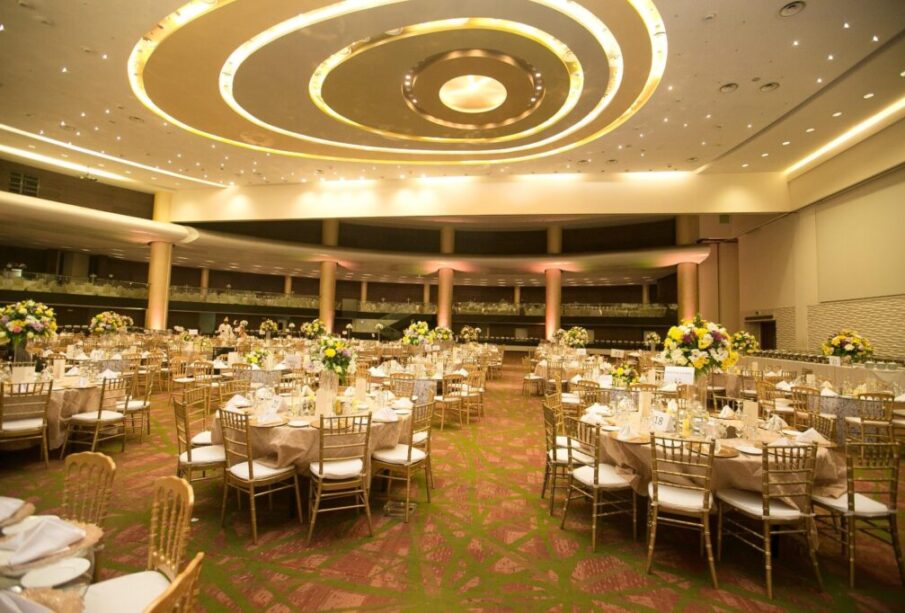
Event Venues Global
Event Venues Global: Top Trends, Venue Types, and the Future of Events Worldwide
Events have become an essential part of modern life, bringing people together for celebrations, business meetings, conferences, exhibitions, weddings, concerts, and cultural gatherings. At the heart of every successful event is the venue. Around the world, event venues play a critical role in creating memorable experiences, influencing everything from guest satisfaction to event outcomes.
As the global events industry continues to grow, venue operators are adapting to changing customer expectations by offering innovative spaces, advanced technology, and flexible services. From luxury ballrooms and convention centers to outdoor gardens and historic landmarks, event venues worldwide are evolving to meet the needs of a diverse clientele.
The Importance of Choosing the Right Venue
The venue sets the tone for an event and often serves as the first impression for attendees. A well-chosen venue can enhance the event experience, improve logistics, and contribute significantly to overall success.
Key factors influenced by venue selection include:
- Guest comfort
- Accessibility
- Event atmosphere
- Technical capabilities
- Budget management
- Brand image
- Safety and security
Whether hosting a corporate conference or a private celebration, selecting the right venue remains one of the most important planning decisions.
Types of Event Venues Around the World
Convention and Exhibition Centers
Convention centers are among the largest event venues globally. They are designed to accommodate conferences, trade fairs, exhibitions, and large-scale corporate gatherings.
Features often include:
- Multiple meeting rooms
- Large exhibition halls
- Advanced audiovisual technology
- Catering services
- Ample parking facilities
These venues frequently host international business events, attracting attendees from multiple countries.
Hotels and Resorts
Hotels remain one of the most popular choices for events worldwide. They offer convenience by combining accommodation, catering, and event spaces in one location.
Common events hosted in hotels include:
- Business conferences
- Weddings
- Product launches
- Networking events
- Award ceremonies
Luxury resorts often attract destination weddings and corporate retreats due to their scenic environments and premium services.
Outdoor Event Spaces
Parks, gardens, beaches, vineyards, and waterfront locations provide unique settings for memorable events.
Outdoor venues are particularly popular for:
- Weddings
- Music festivals
- Community gatherings
- Cultural celebrations
- Sporting events
Their natural beauty often reduces the need for extensive decoration while creating a distinctive atmosphere.
Historic and Cultural Venues
Many cities offer event spaces within historic buildings, museums, castles, and cultural landmarks.
These venues appeal to organizers seeking:
- Unique architectural settings
- Cultural significance
- Memorable guest experiences
- Premium event branding
Historic venues often provide an exclusive atmosphere that cannot be replicated elsewhere.
Multipurpose Event Centers
Modern event centers are designed to host various event types under one roof. Their flexible layouts allow organizers to customize spaces according to their needs.
These venues can accommodate:
- Conferences
- Concerts
- Weddings
- Exhibitions
- Community events
Flexibility has become a key advantage in today’s rapidly changing event industry.
Global Trends in Event Venues
Technology Integration
Technology has transformed event venue operations worldwide. Modern venues now offer:
- High-speed internet
- Hybrid event capabilities
- Virtual participation systems
- Interactive displays
- Smart lighting solutions
- Advanced sound systems
As hybrid events become more common, venues are investing heavily in digital infrastructure.
Sustainability Initiatives
Environmental responsibility is increasingly important for event organizers and attendees.
Many venues now implement:
- Energy-efficient lighting
- Waste reduction programs
- Sustainable catering options
- Water conservation systems
- Eco-friendly construction materials
Green venues appeal to organizations seeking to reduce their environmental impact.
Flexible Event Spaces
The demand for adaptable spaces continues to grow. Event venues are creating modular environments that can accommodate different event formats and guest capacities.
Flexible layouts help maximize venue utilization while providing greater customization options.
Enhanced Guest Experiences
Venue operators are focusing more on attendee experience than ever before. This includes:
- Improved accessibility
- Personalized services
- Comfortable seating arrangements
- Innovative design features
- Interactive event environments
Creating memorable experiences has become a major competitive advantage.
Leading Event Destination Regions
North America
North America hosts some of the world’s largest convention centers and entertainment venues. Major cities attract international conferences, exhibitions, and corporate events throughout the year.
Europe
Europe’s event industry benefits from its rich cultural heritage and historic architecture. Many venues combine centuries-old charm with modern amenities.
Asia
Rapid urbanization and economic growth have fueled significant investments in event infrastructure across Asia. The region has become a major hub for international conferences and exhibitions.
Middle East
The Middle East has emerged as a premier destination for luxury events, featuring world-class venues, advanced facilities, and ambitious development projects.
Africa
Africa’s event industry continues to expand as business tourism and international investment increase. New conference centers, hotels, and event facilities are helping position the continent as a growing destination for global events.
Factors to Consider When Selecting an Event Venue
Event planners should evaluate several factors before making a final decision:
Location
A convenient location improves attendance and reduces travel challenges for guests.
Capacity
The venue should comfortably accommodate the expected number of attendees without feeling overcrowded or underutilized.
Budget
Venue costs should align with the overall event budget while providing adequate value and services.
Accessibility
Guests should be able to access the venue easily, including individuals with mobility challenges.
Technology Requirements
The venue must support the event’s technical needs, including internet connectivity, audiovisual equipment, and presentation capabilities.
Safety Measures
Security systems, emergency procedures, and compliance with local regulations are essential considerations.
The Future of Global Event Venues
The future of event venues will likely be shaped by technology, sustainability, and changing attendee expectations. Hybrid events, immersive experiences, and environmentally responsible operations are expected to become standard features rather than competitive advantages.
Venue operators who embrace innovation and prioritize guest experience will be better positioned to thrive in an increasingly competitive market. As global travel continues to expand and businesses seek meaningful ways to connect people, event venues will remain central to creating impactful and memorable experiences.
Conclusion
Event venues are far more than physical spaces. They serve as the foundation for celebrations, business opportunities, cultural exchanges, and community engagement. Across the globe, venue operators are adapting to new trends and technologies to meet evolving customer demands.
From convention centers and luxury hotels to historic landmarks and outdoor spaces, the world’s event venues continue to shape how people gather, collaborate, and celebrate. As the events industry grows, these venues will play an increasingly important role in delivering exceptional experiences that leave lasting impressions.




Leave a reply







Africa’s Source for Breaking News | Entertainments | Health | Finance | Sports | Lifestyle and Business News.


