
Horror Tales Inspired by African Folklore
Horror Tales Inspired by African Folklore
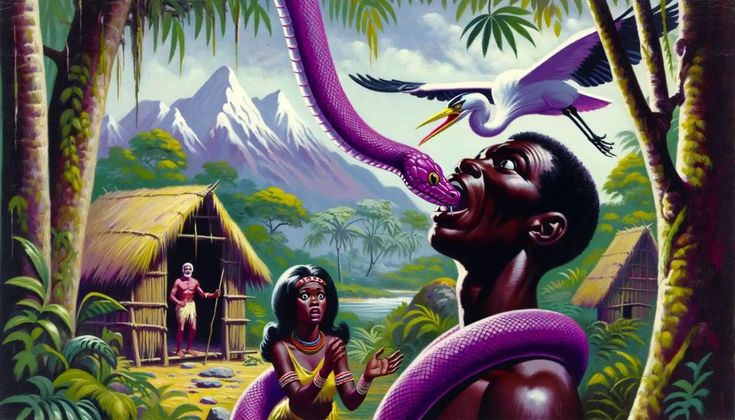
African folklore is filled with stories of spirits, mysterious creatures, haunted places, supernatural warnings, and unexplained encounters.
Passed down through generations, these tales were often used not only to entertain but also to teach lessons about morality, respect, community, and the consequences of dangerous choices.
Today, African folklore continues to inspire horror stories, films, books, podcasts, and online storytelling. What makes these stories particularly powerful is their connection to familiar places and traditions. A quiet village path, an abandoned house, a forest after sunset, or even a familiar voice calling your name can become frightening when viewed through the lens of folklore.
The Power of African Folklore in Horror
Unlike horror stories that rely entirely on fictional monsters, African folklore often draws its fear from cultural beliefs and everyday experiences. Many traditional stories contain supernatural beings that interact with ordinary people.
These stories also frequently carry warnings. Children may be told not to wander outside at night, travelers may be warned against certain paths, and people may be encouraged to respect forests, rivers, ancestors, and spiritual traditions.
This combination of mystery and moral lessons gives African folklore a natural place within the horror genre.
The Mysterious Woman by the River
Across different African cultures, stories exist about supernatural beings associated with rivers and other bodies of water. These figures are sometimes described as beautiful women who appear to travelers, fishermen, or people who wander near the water at unusual hours.
Imagine a young fisherman returning home late one evening. As he approaches the riverbank, he hears someone singing. The voice is beautiful, but there is no one visible nearby.
He follows the sound and sees a woman sitting beside the water.
She knows his name.
She knows where he lives.
She even knows things he has never told anyone.
When he finally realizes that her feet do not touch the ground, he runs.
The next morning, villagers discover his fishing boat floating alone on the river.
Stories like this draw from longstanding African traditions surrounding water spirits. They transform something ordinary, a river, into a place of mystery and danger.
The Forest That Remembers
Forests occupy an important place in many African traditional stories. They can represent life, mystery, danger, and the unknown.
A horror tale inspired by this tradition might follow a group of young people who decide to explore a forest despite warnings from older members of their community.
At first, nothing seems unusual.
Then they notice something strange.
Every time they turn around, the path behind them looks different One person hears his mother’s voice calling from deep within the trees. Another hears a friend who disappeared earlier that day.
Eventually, they discover that the forest is not simply changing around them. It is using familiar voices to lure them deeper inside.
The lesson is simple: sometimes warnings exist because someone before you has already learned the hard way.
The Shadow That Follows at Night
Another compelling idea comes from traditional stories about spirits and supernatural beings that appear after dark.
A young woman begins noticing a shadow following her whenever she walks home after sunset. At first, she assumes it belongs to another person.
Then she realizes something disturbing.
The shadow does not always move when she moves.
Sometimes it stands completely still while she walks.
Other times, it appears several steps ahead of her.
Eventually, she tells an elderly relative, who warns her never to turn around when she hears footsteps behind her.
That night, the footsteps return.
This type of story works because it transforms an ordinary experience—walking home at night—into something deeply unsettling.
The Stranger at the Door
African folklore also contains numerous cautionary stories about strangers and supernatural visitors.
One classic horror setup begins with a knock at the door late at night.
A family hears a familiar voice outside.
It sounds exactly like a relative who died years earlier.
The family is terrified, but one person insists that the visitor must be an impersonator.
The voice continues pleading.
“Please open the door.”
Nobody does.
Then the voice changes.
It begins calling each family member by name.
Finally, it whispers something only one person in the house could possibly know.
The story leaves one frightening question: What exactly is standing outside?
The Village That Disappeared
African folklore can also inspire larger mystery-based horror stories. Consider a tale about a traveler who becomes lost while crossing a remote region. Eventually, he discovers a small village that does not appear on any map.
The villagers welcome him but behave strangely.
Nobody leaves after sunset.
Nobody speaks about the forest.
And every house has an empty chair facing the front door.
The traveler eventually learns that the village has been trapped between the world of the living and the spirit world for generations.
Anyone who stays too long becomes part of it.
When he tries to leave, he discovers that the road he entered through has disappeared.
Why These Stories Continue to Fascinate Audiences
African folklore remains powerful because it connects horror with culture, history, and identity. Many traditional stories contain deeper meanings about human behavior. They may warn against greed, disrespect, dishonesty, recklessness, or ignoring the wisdom of elders.
Modern storytellers can build on these ideas without simply copying traditional tales. A contemporary horror story might place an ancient legend in Lagos, Nairobi, Accra, Johannesburg, Kampala, or another modern African city.
A mysterious spirit could appear through a smartphone recording. An old family curse could resurface in a modern apartment building. A traditional warning could become relevant to a young person who believes such stories are outdated.
This creates a fascinating combination of ancient folklore and modern horror.
Keeping African Folklore Authentic
When adapting folklore into horror, cultural respect is important. African cultures are diverse, and there is no single African mythology.
Stories from West Africa may differ significantly from those from East, Central, North, or Southern Africa. Creators should therefore research the specific community, tradition, language, and historical context behind the folklore they are adapting.
The goal should not be to portray African traditions as primitive or frightening. Instead, folklore can be presented as a rich source of imagination, cultural knowledge, symbolism, and storytelling.
The Future of African Folklore Horror
African horror storytelling is increasingly finding audiences beyond traditional oral storytelling. Films, novels, social media, podcasts, animation, and digital platforms provide new ways to preserve and reinterpret old stories.
Young African creators have an opportunity to take familiar legends and give them fresh perspectives. They can combine traditional beliefs with contemporary settings, psychological horror, mystery, science fiction, and supernatural storytelling.
The result can be horror that feels both uniquely African and universally relatable.
Final Thoughts
The most frightening African folklore stories are often not about monsters hiding in distant lands. They are about familiar places becoming unfamiliar.
It is the river you pass every morning.
The forest your grandparents warned you about.
The empty road you should never take after dark.
The voice calling your name when nobody should be there.
These stories remind us that folklore is more than entertainment. It carries memories, values, warnings, and mysteries passed from one generation to another. And when those elements are brought into modern horror, they can create stories that are not only frightening but deeply connected to African culture and imagination.



Leave a reply




Africa’s Source for Breaking News | Entertainments | Health | Finance | Sports | Lifestyle and Business News.


