
How African Cities Are Becoming Smarter
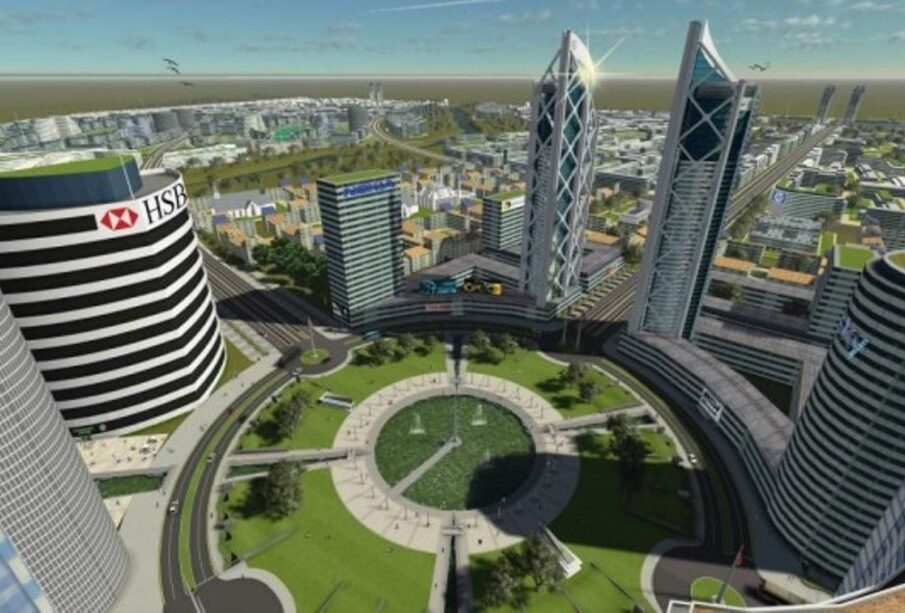
How African Cities Are Becoming Smarter
African cities are changing rapidly.
As populations grow, businesses expand, and more people move into urban areas, city leaders are looking for better ways to manage transportation, waste, energy, security, housing, and public services. One of the most promising responses is the development of smart cities.
A smart city uses technology, data, infrastructure, and innovative planning to make urban life more efficient, sustainable, and convenient. Across Africa, cities are increasingly adopting digital solutions that address everyday challenges while preparing for future growth.
What Makes a City Smart?
A smart city is not simply a city filled with modern buildings or advanced technology. It is a city that uses available resources intelligently to improve the quality of life of its residents.
Smart-city initiatives can include digital government services, intelligent traffic systems, electronic payment platforms, smart electricity systems, improved public transportation, digital mapping, waste-management technology, and data-driven urban planning.
The goal is simple: use technology and better planning to solve real urban problems.
Digital Services Are Changing Everyday Life
One of the most visible signs of smarter African cities is the growth of digital services.
Residents can increasingly access government information, make payments, apply for documents, communicate with service providers, and complete other tasks online. This reduces the need to visit government offices physically and can make public services faster and more accessible.
Mobile technology is particularly important because smartphones have become a major gateway to digital services across the continent.
Smarter Transportation Systems
Traffic congestion remains a major challenge in many African cities. Growing populations and increasing vehicle ownership can put enormous pressure on existing road networks.
Smart transportation systems are helping cities respond to these challenges. Digital navigation tools, traffic-monitoring systems, electronic ticketing, ride-hailing platforms, and data-based transport planning are changing how people move around urban areas.
Cities can also use transportation data to understand where congestion occurs and where additional infrastructure may be needed.
For commuters, these improvements can mean better journey planning, easier payments, and more reliable transportation options.
Technology Is Improving Waste Management
Waste collection is another area where technology can make a significant difference.
Traditional waste-management systems can struggle when cities expand quickly. Smart solutions can help authorities and private operators monitor collection routes, identify areas that require more frequent collection, and improve the use of waste trucks and other resources.
Digital platforms can also make it easier for residents to report illegal dumping or missed collections.
At the same time, recycling businesses and environmental organisations are using technology to connect waste producers with recyclers, creating new economic opportunities.
Smart Energy Solutions
Reliable energy remains essential to the growth of African cities. Smart energy technologies are helping communities explore more efficient ways of generating, distributing, and consuming electricity.
Solar power, smart meters, energy-monitoring systems, battery storage, and mini-grid solutions are becoming increasingly important in urban and peri-urban areas.
These technologies can help households and businesses monitor consumption while supporting the broader transition toward cleaner energy.
Better Access to Digital Payments
The rise of mobile money and digital payments has also contributed to smarter urban economies.
People can pay for goods, services, transportation, bills, and other expenses without relying entirely on cash. Small businesses can receive digital payments, while customers can increasingly interact with businesses through mobile platforms.
This creates a more connected urban economy and can make transactions faster and easier to track.
Data Is Helping Cities Make Better Decisions
One of the most important features of a smart city is the ability to use data effectively. City authorities can collect information about traffic, population growth, public transport, waste collection, energy use, and other urban activities. When analysed responsibly, this information can help planners make better decisions.
For example, transportation data can reveal where new roads or public transport routes may be needed. Population data can help authorities determine where schools, hospitals, markets, and other facilities should be developed.
Instead of relying entirely on assumptions, planners can increasingly use evidence to guide urban development.
African Cities Are Developing Local Solutions
Smart-city development in Africa does not necessarily mean copying cities in Europe, Asia, or North America. African cities face unique challenges, including rapid population growth, informal settlements, infrastructure gaps, traffic congestion, unreliable utilities, and limited public resources. As a result, successful smart-city solutions often need to reflect local realities.
Affordable mobile services, solar-powered systems, digital marketplaces, mobile payments, and technology-enabled transport services can sometimes have a greater impact than expensive infrastructure projects.
The most effective approach is therefore to combine technology with a clear understanding of local needs.
The Role of Young Africans
Africa’s young population is also playing an important role in the development of smarter cities.
Young entrepreneurs, developers, designers, engineers, and technology professionals are creating solutions for transportation, agriculture, finance, healthcare, education, logistics, and commerce.
Many African startups are using technology to solve problems that people encounter every day. These innovations demonstrate that smart-city development is not only about government projects. It can also come from businesses, universities, communities, and individual innovators.
Challenges African Cities Still Face
Despite the progress, building smarter cities comes with challenges.
The cost of digital infrastructure can be high, while unreliable electricity and internet connectivity can limit access to technology. Some communities may also lack the digital skills needed to benefit fully from new services.
Privacy and cybersecurity are additional concerns. As cities collect more information about residents and urban activities, authorities and businesses must ensure that data is protected and used responsibly.
There is also the risk of creating a digital divide where wealthier communities benefit from smart technologies while poorer residents are left behind.
For smart-city development to succeed, technology must remain inclusive and affordable.
What the Future Could Look Like
The future of African cities is likely to become increasingly connected. Artificial intelligence, Internet of Things devices, renewable energy, digital payments, smart transportation, and real-time data systems could transform how cities operate.
Residents may be able to access more public services through their phones, plan journeys using real-time transport information, monitor household energy consumption, and interact with local authorities digitally.
However, technology alone will not create successful cities. Effective governance, good infrastructure, thoughtful urban planning, affordable services, and community participation will remain equally important.
Conclusion
African cities are becoming smarter by combining technology with practical solutions to everyday urban challenges. From digital payments and transportation systems to renewable energy, waste management, and data-driven planning, innovation is gradually changing how cities function.
The most successful smart cities will not necessarily be those with the most advanced technology. They will be the cities that use technology effectively, affordably, and inclusively to improve everyday life.
As Africa’s urban population continues to grow, smart-city solutions could play an increasingly important role in creating cities that are more efficient, sustainable, connected, and prepared for the future.




Leave a reply




Africa’s Source for Breaking News | Entertainments | Health | Finance | Sports | Lifestyle and Business News.


