
How Technology Is Transforming Education
How Technology Is Transforming Education
Education has always been one of the strongest foundations of personal growth and national development.
Throughout history, teaching methods have evolved from oral traditions and handwritten manuscripts to printed textbooks and digital learning platforms. Today, technology is driving one of the most significant transformations education has ever experienced.
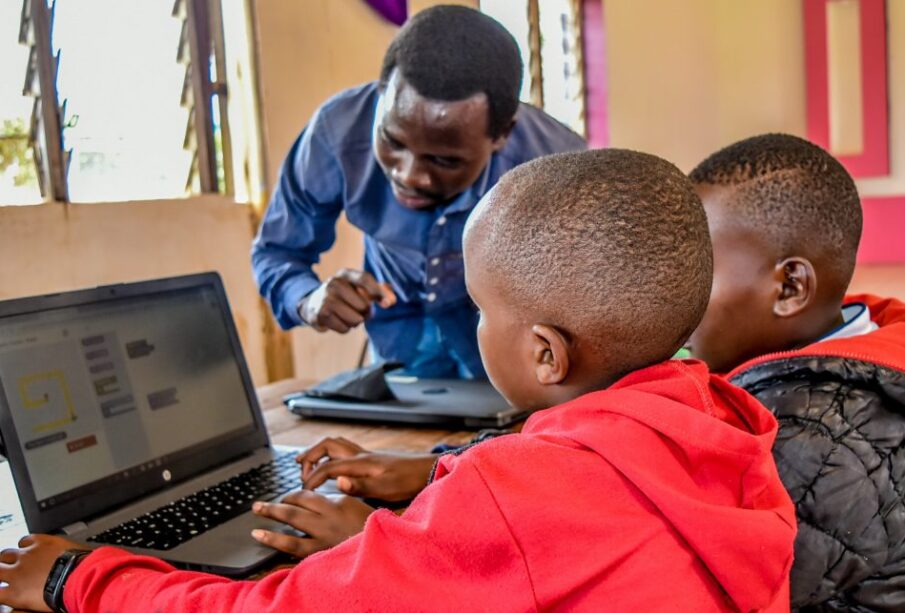
Across Africa and the rest of the world, digital tools are changing how students learn, how teachers teach, and how institutions deliver knowledge. From virtual classrooms and artificial intelligence (AI) to mobile learning applications and cloud-based resources, technology is making education more accessible, flexible, and engaging than ever before.
While challenges such as internet access, affordability, and digital literacy remain, the opportunities created by educational technology continue to expand. Understanding these changes helps educators, parents, students, and policymakers prepare for a future where learning is increasingly powered by innovation.
The Digital Revolution in Education
Technology has shifted education beyond the traditional classroom. Learning is no longer limited by location or time. Students can now access educational content from smartphones, tablets, laptops, or desktop computers, allowing them to study whenever and wherever it is convenient.
The COVID-19 pandemic accelerated this transition by encouraging schools, universities, and training institutions to adopt online learning platforms. Although many institutions have returned to physical classrooms, digital learning remains an essential part of modern education.
Today, blended learning, combining face-to-face instruction with online resources, is becoming the preferred model in many schools worldwide.
Online Learning Expands Access
One of technology’s greatest achievements is making education available to more people. Students living in rural communities, working professionals seeking new skills, and individuals with physical disabilities can now participate in educational programs that were previously inaccessible.
Online courses offer flexibility that traditional education often cannot provide. Learners can study at their own pace, revisit recorded lectures, complete assignments remotely, and communicate with instructors through digital platforms.
This flexibility supports lifelong learning, allowing individuals to continuously update their knowledge in rapidly changing industries.
Mobile Learning Is Growing Rapidly
Africa has experienced tremendous growth in smartphone ownership over the past decade. As mobile internet becomes more affordable, smartphones are increasingly serving as classrooms in people’s pockets.
Educational mobile applications provide:
- Interactive lessons
- Practice quizzes
- Language learning
- Coding tutorials
- Mathematics exercises
- Science experiments
- Reading materials
For many African students, mobile devices have become the primary gateway to educational opportunities. This trend is particularly important because smartphones are generally more affordable than computers, making digital education accessible to larger populations.
Artificial Intelligence Is Personalizing Learning
Artificial Intelligence (AI) is transforming education by adapting lessons to individual learning needs. Instead of every student following exactly the same path, AI-powered learning systems analyze performance and recommend personalized exercises based on strengths and weaknesses.
For example, if a learner struggles with algebra, the system can automatically provide additional explanations, practice questions, and simplified examples before introducing more advanced concepts.
Teachers also benefit from AI by automating repetitive tasks such as:
- Grading assignments
- Tracking student progress
- Creating quizzes
- Providing instant feedback
This allows educators to spend more time mentoring students rather than handling administrative work.
Digital Collaboration Improves Learning
Technology has made collaboration easier than ever before. Students working on group projects can now communicate through messaging platforms, video conferencing tools, and cloud-based document editors without being in the same physical location.
Shared digital workspaces encourage teamwork, communication, creativity, and problem-solving, skills highly valued in today’s workplace.
International collaborations are also becoming more common, allowing African students to engage with peers from other countries and gain global perspectives.
Interactive Learning Makes Education More Engaging
Traditional lectures often involve passive listening. Technology introduces interactive experiences that actively involve learners.
Educational tools now include:
- Educational games
- Virtual laboratories
- Interactive simulations
- Multimedia presentations
- Animated lessons
- Digital whiteboards
- Augmented Reality (AR)
- Virtual Reality (VR)
For example, instead of reading about the solar system, students can explore a three-dimensional virtual model of planets.
Science students can conduct virtual experiments without expensive laboratory equipment, while medical students can practice procedures using realistic simulations before working with real patients.
These experiences improve understanding and knowledge retention.
Teachers Benefit from Educational Technology
Technology is not replacing teachers, it is enhancing their effectiveness.
Modern digital tools help educators:
- Prepare lessons faster
- Access updated teaching materials
- Monitor student performance
- Identify struggling learners
- Communicate with parents
- Automate attendance records
- Share assignments instantly
Professional development has also improved.
Teachers can participate in online certification programs, webinars, workshops, and international conferences without leaving their communities.
Continuous learning enables educators to stay current with modern teaching methods and emerging technologies.
Education Is Becoming More Inclusive
Technology plays a vital role in making education accessible for learners with disabilities.
Assistive technologies include:
- Screen readers for visually impaired students
- Speech-to-text software
- Closed captions for hearing-impaired learners
- Adjustable font sizes
- Voice assistants
- Alternative communication devices
These innovations reduce barriers and help create more inclusive classrooms where every learner has opportunities to succeed.
Inclusive technology also supports multilingual education by providing translation tools that help students learn in different languages.
Challenges Facing Educational Technology
Despite its many benefits, technology in education faces several obstacles.
Limited Internet Connectivity
Reliable internet access remains unavailable in many rural communities across Africa.
Without stable connections, students struggle to participate in online classes or access digital resources.
Digital Divide
Not every family can afford smartphones, tablets, or computers.
This inequality creates gaps between learners who have access to technology and those who do not.
Digital Literacy
Technology is only effective when users understand how to use it.
Both students and teachers require ongoing training to maximize educational tools.
Cybersecurity and Privacy
As more educational activities move online, protecting student information becomes increasingly important.
Schools must implement secure systems to safeguard personal data and reduce cyber threats.
The Future of Education
Emerging technologies promise even greater transformation.
Artificial Intelligence tutors may provide real-time academic support.
Virtual Reality classrooms could allow students to experience historical events, explore ancient civilizations, or visit distant countries without leaving school.
Blockchain technology may simplify academic credential verification, reducing fraud and making qualifications easier to validate globally.
Learning analytics will help institutions identify students at risk of falling behind, enabling earlier interventions and improved outcomes.
As technology continues to evolve, education will become increasingly personalized, flexible, collaborative, and skills-focused.
Technology and Africa’s Educational Opportunity
Africa has one of the world’s youngest populations, making education a critical driver of economic growth. Governments, private companies, non-governmental organizations, and educational institutions are investing in digital infrastructure, online learning platforms, and technology training programs.
By expanding internet access, improving digital literacy, and supporting innovation, African countries can prepare millions of young people for careers in technology, entrepreneurship, healthcare, engineering, agriculture, and the creative industries.
Technology has the potential to bridge educational gaps and unlock opportunities that were previously beyond reach.
Conclusion
Technology is reshaping education in remarkable ways. It is expanding access, personalizing learning, improving collaboration, supporting teachers, and creating more engaging educational experiences. While challenges such as internet access, affordability, and digital literacy remain, ongoing investments and innovation continue to drive progress.
For Africa, embracing educational technology is more than adopting new tools, it is an investment in human capital, economic development, and future competitiveness. As digital solutions become more widespread, learners across the continent will have greater opportunities to acquire knowledge, develop valuable skills, and participate confidently in an increasingly connected global economy.
The future of education is not simply digital, it is inclusive, flexible, collaborative, and powered by technology. Those who embrace these innovations today will be better equipped to thrive in tomorrow’s knowledge-driven world.




Leave a reply




Africa’s Source for Breaking News | Entertainments | Health | Finance | Sports | Lifestyle and Business News.


