
Indigenous Foods Supporting Sustainable Living
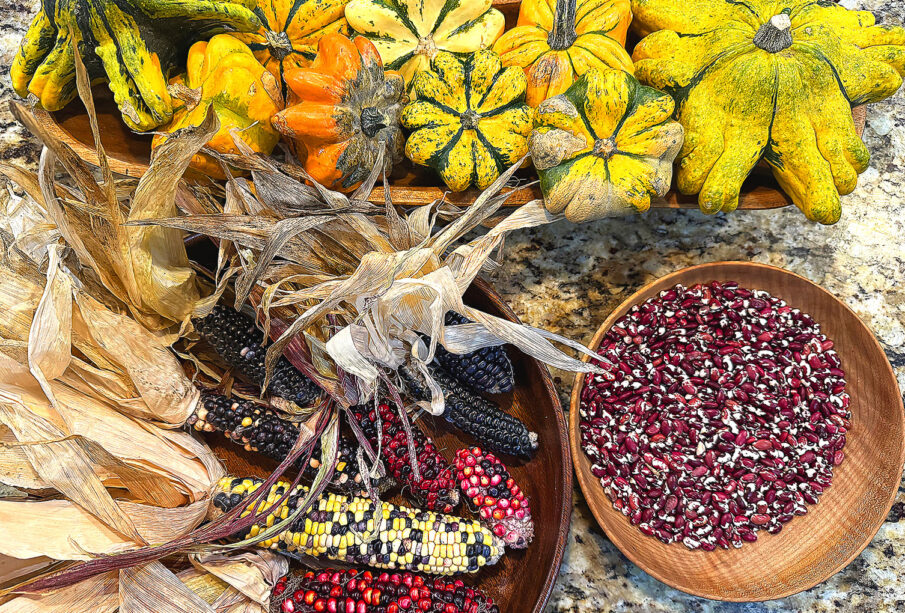
Indigenous Foods Supporting Sustainable Living
Sustainable living is becoming increasingly important as communities look for practical ways to protect natural resources, reduce waste, and maintain healthy food systems.
Across Africa, indigenous foods offer valuable lessons in sustainability. Many traditional crops, grains, vegetables, fruits, and animal products are naturally suited to local environments and have supported communities for generations.
From millet and sorghum to cassava, yam, bambara beans, leafy vegetables, and indigenous fruits, these foods can contribute to more resilient diets while supporting local farmers and reducing dependence on imported food products.
What Are Indigenous Foods?
Indigenous foods are food crops, plants, fruits, grains, legumes, and animal products that originate from or have been traditionally cultivated and consumed within a particular region.
In Africa, examples include:
- Millet and sorghum
- Cassava and yam
- Bambara beans
- Cowpeas
- Plantain
- African leafy vegetables
- Baobab fruit
- African breadfruit
- Local varieties of maize
- Indigenous spices and herbs
These foods are often closely connected to local farming knowledge, culture, and traditional cooking practices.
Indigenous Foods Can Adapt to Local Conditions
One major advantage of indigenous foods is their adaptation to local environments. Farmers have cultivated many traditional crops for generations under specific climate and soil conditions.
For example, millet and sorghum can perform well in areas where rainfall is limited. Cassava can also tolerate periods of drought better than some crops. Such characteristics can help farmers maintain food production despite changing weather conditions.
Using crops that are naturally suited to local conditions may reduce pressure on water, soil, and other agricultural resources.
They Support Local Farmers
Choosing indigenous foods can strengthen local agricultural economies. When consumers purchase locally grown crops, farmers and food producers gain a more reliable market for their products.
This creates opportunities across the food supply chain. Farmers can sell their harvests to market traders, restaurants, food processors, retailers, and households. Small-scale processors can also develop products from traditional ingredients.
Consequently, indigenous foods can contribute to stronger rural economies while keeping more food-related income within communities.
Indigenous Crops Can Improve Food Diversity
A sustainable food system should not depend heavily on a small number of crops. Excessive dependence on a few major food varieties can make agricultural systems more vulnerable to pests, diseases, environmental changes, and supply disruptions.
Indigenous crops provide additional options.
Including foods such as millet, sorghum, cowpeas, bambara beans, indigenous vegetables, and traditional fruits can diversify both farms and household diets. Farmers can cultivate different crops according to soil conditions, rainfall patterns, and market demand.
Greater diversity can therefore make food systems more flexible and resilient.
Traditional Foods Can Reduce Food Miles
Food miles refer to the distance food travels from where it is produced to where it is consumed. While transportation is only one part of food sustainability, purchasing locally produced foods can sometimes reduce the distance involved in getting food to consumers.
A family in Nigeria, for example, may purchase cassava, plantain, vegetables, beans, or locally produced spices from nearby farmers and markets rather than relying entirely on imported alternatives.
Shorter supply chains can also create stronger relationships between producers, traders, and consumers.
Traditional Processing Can Reduce Waste
Indigenous food systems often include practical methods for preserving food. Drying, fermenting, smoking, milling, and other traditional techniques can extend the usable life of agricultural products.
Cassava, for instance, can be processed into different forms. Grains can be dried and stored for later use, while some fruits and vegetables can be preserved when they are abundant.
These practices help households make better use of seasonal harvests. They can also reduce the amount of food that spoils before consumption.
Indigenous Foods Encourage Seasonal Eating
Seasonal eating involves consuming foods when they are naturally available in a particular region. Traditional African diets have historically followed seasonal patterns, with households adjusting meals according to available crops and harvests.
This approach can encourage people to appreciate local produce instead of expecting every food to be available throughout the year.
Seasonal eating may also encourage better household planning. Families can identify foods that are abundant during particular periods, purchase them at appropriate times, and preserve some for later consumption.
They Preserve Traditional Knowledge
Sustainability is not only about the environment. It also involves preserving knowledge that helps communities use resources responsibly.
Traditional food preparation contains knowledge about cultivation, harvesting, storage, cooking, and preservation. Older generations often pass this knowledge to younger family members.
Maintaining these practices can protect cultural heritage while keeping useful agricultural knowledge alive.
Indigenous Foods and Sustainable Household Choices
Consumers can support sustainable living by making simple changes to their food choices. Buying locally grown foods, reducing food waste, supporting small farmers, and learning traditional preservation techniques can all contribute to a more sustainable household.
Families can also plan meals around locally available ingredients. Buying food in appropriate quantities reduces unnecessary waste, while preserving surplus seasonal produce can extend its usefulness.
Community food-buying arrangements can provide another opportunity. Neighbors, families, associations, and small groups can coordinate purchases of locally produced staples and share costs responsibly.
The Role of Businesses and Food Entrepreneurs
Food businesses can also help increase the popularity of indigenous foods. Restaurants, supermarkets, caterers, and food-processing companies can create modern products from traditional ingredients.
Entrepreneurs might develop packaged millet products, cassava-based foods, indigenous beverages, dried vegetables, traditional spice blends, or convenient versions of familiar meals.
Good packaging, food safety, branding, and distribution can make these products attractive to modern consumers without disconnecting them from their cultural roots.
Conclusion
Indigenous foods offer more than cultural value. They can contribute to sustainable living by supporting local farmers, encouraging crop diversity, reducing food waste, strengthening local supply chains, and preserving traditional knowledge.
As African communities face changing climates, rising food costs, and growing urban populations, traditional foods can become an important part of modern food strategies. Combining indigenous knowledge with modern agricultural technology, food processing, and responsible consumption can create food systems that are both sustainable and practical.




Leave a reply




Africa’s Source for Breaking News | Entertainments | Health | Finance | Sports | Lifestyle and Business News.


