
Managing Stress in Busy Urban Environments
Managing Stress in Busy Urban Environments
Modern cities offer countless opportunities for work, education, entertainment, and social interaction.
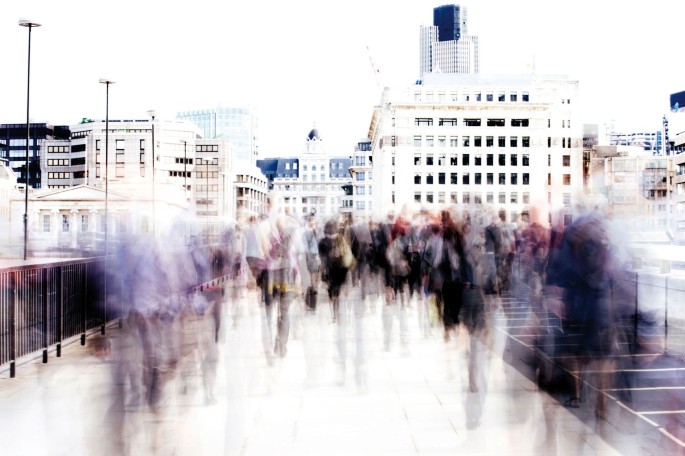
However, urban living also comes with unique challenges that can contribute to stress. Long commutes, traffic congestion, crowded public spaces, noise pollution, financial pressures, and demanding work schedules can leave city dwellers feeling overwhelmed. Learning how to manage stress effectively is essential for maintaining both physical and mental well-being.
Understanding Urban Stress
Stress is the body’s natural response to challenges or demands. While short-term stress can help people stay alert and motivated, chronic stress can negatively affect health. In busy urban environments, individuals are often exposed to multiple stressors simultaneously, making it difficult to find moments of relaxation.
Common sources of urban stress include:
- Heavy traffic and long commuting times
- High living expenses
- Work-related pressure
- Noise and air pollution
- Limited access to green spaces
- Overcrowding and lack of personal space
- Constant digital connectivity
Recognizing these stressors is the first step toward managing them effectively.
Prioritize Time Management
One of the most effective ways to reduce stress is by improving time management. Urban residents often juggle numerous responsibilities, including work, family commitments, and social activities.
Helpful strategies include:
- Creating daily schedules
- Setting realistic goals
- Prioritizing important tasks
- Avoiding unnecessary multitasking
- Allowing extra travel time to reduce rushing
When people feel more in control of their time, they often experience lower stress levels.
Incorporate Physical Activity
Exercise is a proven stress reliever. Physical activity stimulates the release of endorphins, chemicals that improve mood and reduce tension.
Urban residents can stay active by:
- Walking or cycling to nearby destinations
- Using public parks for exercise
- Joining fitness classes
- Taking short movement breaks during work hours
- Practicing stretching exercises at home
Even 20 to 30 minutes of daily activity can make a significant difference in stress management.
Create Moments of Calm
Busy city life can make it difficult to find quiet moments. Intentionally creating opportunities for relaxation can help restore balance.
Some effective relaxation techniques include:
- Deep breathing exercises
- Meditation
- Mindfulness practices
- Listening to calming music
- Reading a book
- Spending time in nature
Regular relaxation helps lower stress hormones and promotes emotional resilience.
Limit Digital Overload
Technology keeps people connected, but constant notifications and screen time can increase stress and anxiety. Many urban professionals find themselves checking emails and messages long after work hours.
To reduce digital stress:
- Set boundaries for device use
- Turn off non-essential notifications
- Schedule screen-free periods
- Avoid checking work emails before bedtime
- Spend more time engaging in offline activities
A healthier relationship with technology can improve mental clarity and reduce feelings of overwhelm.
Build Strong Social Connections
Supportive relationships are crucial for coping with stress. Friends, family members, colleagues, and community groups can provide encouragement during challenging times.
Ways to strengthen social connections include:
- Scheduling regular catch-ups with loved ones
- Participating in community activities
- Joining clubs or interest groups
- Volunteering for local causes
- Seeking support when needed
Strong social networks often help individuals navigate urban pressures more effectively.
Maintain Healthy Lifestyle Habits
Good health habits can improve the body’s ability to handle stress.
Key habits include:
Getting Adequate Sleep
Lack of sleep can increase irritability, reduce concentration, and worsen stress. Adults should aim for seven to nine hours of quality sleep each night.
Eating Balanced Meals
A nutritious diet supports both physical and mental health. Fruits, vegetables, whole grains, and lean proteins can help maintain stable energy levels throughout the day.
Staying Hydrated
Dehydration can contribute to fatigue and reduced focus, making stressful situations feel even more challenging.
Seek Green Spaces Whenever Possible
Research consistently shows that spending time in nature can reduce stress levels. Even in densely populated cities, parks, gardens, and waterfront areas can provide valuable opportunities for relaxation.
Simple activities such as walking through a park, sitting under a tree, or enjoying a quiet outdoor space can have a calming effect on the mind.
Learn to Say No
Many people experience stress because they take on too many responsibilities. Setting healthy boundaries is essential for protecting personal time and energy.
Learning to decline non-essential commitments can prevent burnout and allow individuals to focus on what matters most.
Know When to Seek Professional Help
While occasional stress is normal, persistent stress that affects daily functioning should not be ignored. Mental health professionals can provide valuable tools and support for managing anxiety, burnout, and chronic stress.
Seeking help is a sign of strength and an important step toward better well-being.
Conclusion
Living in a busy urban environment offers many advantages, but it also presents unique stressors that can affect overall quality of life. By managing time effectively, staying physically active, maintaining healthy habits, building strong social connections, and creating moments of calm, individuals can better cope with the demands of city living. Stress may be an unavoidable part of urban life, but with the right strategies, it can be managed successfully, leading to a healthier and more balanced lifestyle.




Leave a reply




Africa’s Source for Breaking News | Entertainments | Health | Finance | Sports | Lifestyle and Business News.


