
Political Policies That Affect Everyday Life
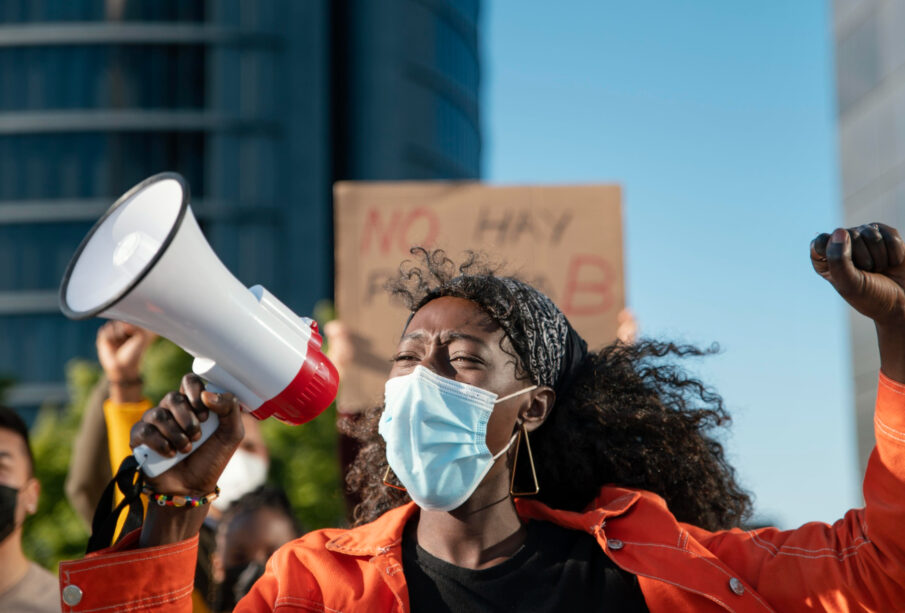
Politics is often seen as something distant, debates in parliament, speeches on television, or decisions made behind closed doors.
Yet, political policies quietly shape almost every aspect of daily life. From the cost of food to the quality of education, the impact of government decisions is constant and far-reaching.
The Cost of Living and Economic Policies
One of the most noticeable ways political policies affect everyday life is through the economy. Government decisions on taxation, subsidies, and inflation control directly influence how much people pay for goods and services. For example, when a government increases fuel taxes, transportation costs rise. This, in turn, affects the prices of food and other essentials. Similarly, policies around minimum wage determine how much workers earn and whether they can meet basic needs.
Economic strategies inspired by theories such as John Maynard Keynes’ ideas often focus on government spending to boost economic activity. These decisions can create jobs, but may also increase national debt.
Healthcare Policies and Public Well-being
Healthcare policies determine access to medical services, affordability, and overall quality of care. In some countries, reforms like the Affordable Care Act have expanded healthcare access to millions.
In everyday terms, this means:
- Shorter or longer waiting times at hospitals
- Higher or lower medical bills
- Availability of essential medications
Even vaccination policies or public health campaigns influence how communities respond to diseases and emergencies.
Education Policies and Future Opportunities
Education policies shape not just schools, but the future of entire societies. Government decisions about funding, curriculum, and teacher training determine the quality of education children receive.
For instance:
- Free or subsidized education increases access for low-income families
- Curriculum reforms influence what skills students learn
- Scholarship programs open doors to higher education
Policies in this area often reflect broader visions, like those promoted by leaders such as Nelson Mandela, who emphasized education as a powerful tool for change.
Infrastructure and Transportation
Roads, public transport, electricity, and water supply are all shaped by political decisions. Infrastructure policies determine:
- How easily people commute to work
- The reliability of electricity and internet services
- Access to clean water and sanitation
A well-maintained road network can reduce travel time and boost economic activity, while poor infrastructure can limit opportunities and increase daily stress.
Security and Law Enforcement
Policies related to law enforcement and public safety influence how secure people feel in their communities. Government decisions on policing, criminal justice, and surveillance affect:
- Crime rates
- Trust in authorities
- Personal freedoms
Historical events like the War on Drugs show how policy choices can shape societies for decades—sometimes with unintended consequences.
Environmental Policies and Daily Living
Environmental regulations impact air quality, water safety, and even the food people eat. Policies on waste management, emissions, and conservation determine how healthy and sustainable daily life is.
For example:
- Bans on certain plastics reduce pollution
- Climate policies influence energy costs
- Agricultural regulations affect food quality and pricing
These decisions may seem distant, but they directly affect health and long-term well-being.
Digital and Communication Policies
In today’s world, internet access and digital freedom are heavily influenced by government policies. Regulations determine:
- The cost of data and internet services
- Online privacy rights
- Access to information
Policies affecting social media and digital platforms shape how people communicate, learn, and even do business.
Conclusion
Political policies are not abstract concepts, they are deeply woven into everyday life. Whether it’s the price of groceries, access to healthcare, or the quality of education, government decisions influence daily experiences in powerful ways.
Understanding these policies empowers individuals to make informed decisions, participate in civic processes, and advocate for changes that improve their lives. In the end, politics is not just about leaders or institutions, it is about people and the realities they live every day.




Leave a reply




Africa’s Source for Breaking News | Entertainments | Health | Finance | Sports | Lifestyle and Business News.


