Popular Drinks Across Different African Regions

Popular Drinks Across Different African Regions
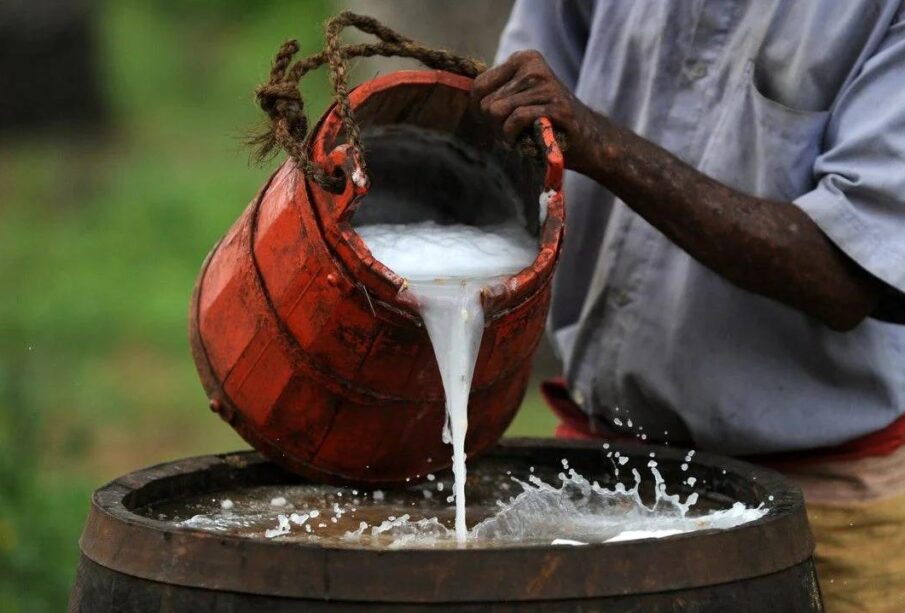
Africa is home to a remarkable variety of traditional drinks shaped by local ingredients, climate, culture, and history.
Some beverages are enjoyed during everyday meals, while others are closely associated with celebrations, hospitality, religious occasions, or social gatherings. Exploring these drinks offers an interesting way to understand Africa’s diverse food culture.
West Africa: Zobo, Bissap and Palm Wine
West Africa has a strong tradition of fruit-based, herbal, and fermented beverages.
In Nigeria, zobo is one of the most popular non-alcoholic traditional drinks. It is made primarily from dried hibiscus petals and is often prepared with ginger, pineapple, cloves, or other spices. The deep-red drink is commonly served chilled at homes, parties, restaurants, and social events.
Across countries such as Senegal, Mali, Burkina Faso, and Côte d’Ivoire, hibiscus-based drinks are also popular. In Senegal, bissap is a well-known beverage made from hibiscus flowers. It can be served sweetened and chilled, making it particularly refreshing in hot weather.
East Africa: Chai, Coffee and Traditional Fermented Drinks
Tea has an important place in East African food culture. In Kenya, Tanzania, and Uganda, tea is commonly consumed throughout the day. Chai, often prepared with milk and spices, is particularly popular in many communities.
Kenya is also internationally recognised for its coffee production. Coffee is an important agricultural product and is increasingly appreciated as a beverage within the region as well as around the world.
In Ethiopia, coffee has exceptional cultural significance. The traditional Ethiopian coffee ceremony can involve roasting, grinding, brewing, and serving coffee to guests as part of an important social ritual.
East Africa also has several traditional fermented beverages made from grains, bananas, honey, or other locally available ingredients. Their preparation and cultural significance vary considerably between communities.
North Africa: Mint Tea and Fruit-Based Drinks
North African beverage culture is strongly associated with tea, particularly mint tea.
In Morocco, mint tea is deeply connected to hospitality. Green tea is traditionally prepared with fresh mint and sugar and served to guests in small glasses. Offering tea is an important part of welcoming visitors and social interaction.
Central Africa: Palm-Based and Fruit Drinks
Central African countries have access to a wide range of tropical fruits and palm products. Consequently, locally produced drinks often reflect the abundance of these ingredients.
Palm wine is consumed in parts of Cameroon, the Democratic Republic of the Congo, Gabon, and neighbouring areas. Depending on the location and preparation method, it can have different flavours and levels of fermentation.
Fresh fruit drinks are also common. Pineapple, mango, passion fruit, papaya, and other tropical fruits can be blended or processed into refreshing beverages.
In urban areas, locally prepared fruit juices are increasingly sold by small businesses, restaurants, and street vendors. This creates opportunities for entrepreneurs who can combine traditional ingredients with modern packaging and presentation.
Southern Africa: Rooibos and Traditional Beverages
Southern Africa has its own distinctive beverage traditions.
Rooibos tea, produced primarily in South Africa, is one of the region’s best-known beverages. It is naturally caffeine-free and has become popular internationally. It can be consumed hot or chilled and is sometimes combined with milk, honey, fruit, or spices.
Modern beverage businesses in the region are also creating new products inspired by indigenous ingredients, giving traditional flavours a place in contemporary markets.
The Growing Popularity of Fruit Drinks
Fresh fruit beverages are becoming increasingly visible across African cities. Entrepreneurs are turning locally available fruits into juices, smoothies, and blended drinks.
Mango, pineapple, watermelon, orange, passion fruit, baobab, and tamarind are among the ingredients used in different parts of the continent.
This trend has two major advantages. Consumers gain more choices, while farmers and food businesses can potentially find additional markets for locally produced fruits.
Small beverage businesses can also start at a relatively modest scale, making fruit drinks an interesting area for food entrepreneurs.
Traditional Drinks and African Hospitality
Drinks often have a meaning beyond refreshment. In many African communities, serving a visitor something to drink is an important expression of hospitality.
Tea ceremonies, palm wine gatherings, family celebrations, and locally prepared fruit beverages can all create opportunities for people to connect.
The preparation itself can also carry cultural meaning. Recipes may be passed from parents to children, while particular beverages become associated with specific communities or occasions.
Modern Businesses Are Reimagining Traditional Drinks
African beverage entrepreneurs are increasingly finding ways to give traditional drinks a contemporary identity.
A familiar beverage can be packaged in bottles or cans, presented in restaurants, sold through supermarkets, or promoted through social media. Some businesses are also experimenting with reduced-sugar recipes, new flavours, and attractive packaging.
This combination of tradition and innovation can help local beverages reach younger consumers and potentially enter international markets.
Why African Drinks Matter
Africa’s drinks culture demonstrates how food traditions develop around local resources. Hibiscus, tea, coffee, palm sap, grains, tropical fruits, herbs, and other ingredients have become part of distinctive beverage traditions across the continent.
These drinks also represent opportunities for agriculture, tourism, hospitality, and entrepreneurship. Visitors who explore African food culture can discover much more than famous dishes; traditional beverages offer another window into the continent’s history and everyday life.
Final Thoughts
From Moroccan mint tea in the north to Ethiopian coffee in the east, Nigerian zobo in the west, rooibos in the south, and palm-based beverages across several regions, Africa has an impressive drinks heritage.
Although recipes and preparation methods differ from one community to another, many of these beverages share common themes: local ingredients, cultural identity, hospitality, and creativity.
As African food businesses continue to modernise traditional products, these drinks have the potential to move from local tables to wider regional and international markets while retaining the cultural stories that make them special.
Reviewing African-Made Consumer Products
September 9, 2026Traditional Cooking Methods That Preserve Flavor
September 9, 2026African Communities Leading Conservation Efforts
September 9, 2026
Leave a reply Cancel reply
More News
-
AICC: Egyptian Grandmasters Dominate Tourney
September 26, 2022 -
Success Stories From African Researchers
July 12, 2026
Latest Posts
-
Reviewing African-Made Consumer Products
September 9, 2026 -
Traditional Cooking Methods That Preserve Flavor
September 9, 2026 -
African Communities Leading Conservation Efforts
September 9, 2026 -
Understanding Cybercrime Trends
September 8, 2026 -
The Future of E-Commerce in Africa
September 8, 2026
Weekly Podcast
Travel News
-
Affordable Nutrition Tips for Families
September 7, 2026 -
Africa’s Growing Space and Satellite Programs
September 7, 2026 -
Travel Safety and Smart Planning Tips
September 5, 2026
Personal Development
-
Building a Personal Brand as a Professional
September 6, 2026 -
How to Stop Comparing Yourself to Others
September 4, 2026 -
Understanding Emotional Intelligence
September 1, 2026