
Reviewing African Fashion Brands
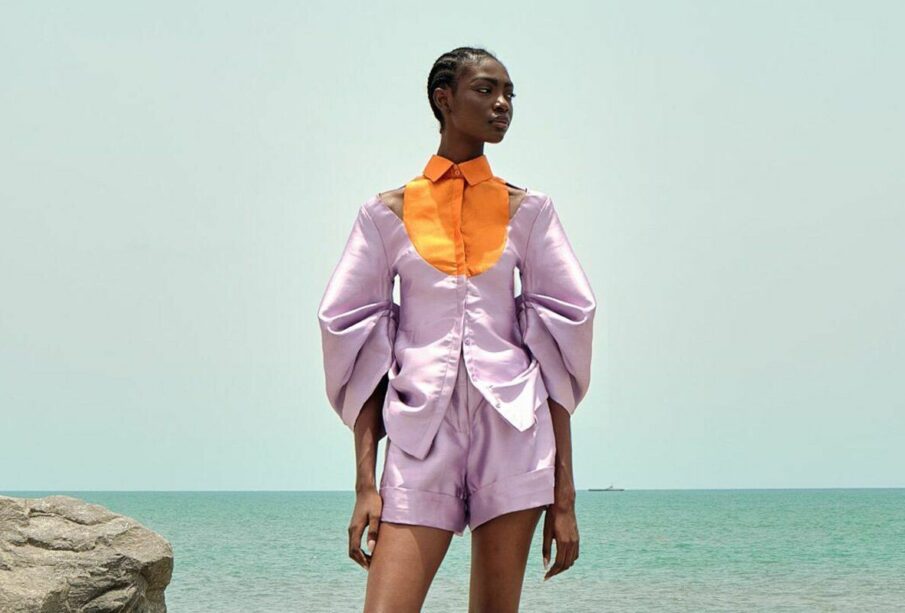
Reviewing African Fashion Brands
African fashion has moved far beyond being a niche industry.
Across the continent, designers and fashion brands are creating clothing, accessories, footwear, and textiles that combine cultural heritage with modern design. From established labels to emerging independent brands, African fashion is gaining attention locally and internationally.
Reviewing African fashion brands, therefore, involves more than judging whether a particular outfit looks attractive. It means considering creativity, craftsmanship, cultural identity, quality, pricing, sustainability, customer experience, and the brand’s ability to compete in a changing global fashion market.
The Growing Influence of African Fashion
Africa has a rich fashion history shaped by indigenous textiles, traditional craftsmanship, regional dress styles, and centuries of cultural exchange. Today, designers are reinterpreting these influences for contemporary audiences.
Fashion brands across countries such as Nigeria, Ghana, South Africa, Kenya, Morocco, Senegal, Côte d’Ivoire, and Ethiopia are building distinctive identities. Some focus on luxury fashion, while others specialize in streetwear, sustainable clothing, accessories, bridal wear, or everyday fashion.
Social media has also changed how African designers reach customers. Instagram, TikTok, online stores, and fashion-focused digital platforms allow brands to showcase collections to audiences far beyond their home markets.
What Makes an African Fashion Brand Stand Out?
Several factors can determine whether a fashion brand makes a strong impression.
1. Design and Creativity
A strong fashion brand needs a recognizable visual identity. African designers often stand out by combining traditional patterns, fabrics, colors, and silhouettes with contemporary styles.
The best designs feel modern without completely losing the cultural influences that make them distinctive.
2. Quality and Craftsmanship
Quality remains one of the most important factors when reviewing any fashion brand. Stitching, fabric selection, finishing, durability, and attention to detail can determine whether a garment feels premium or poorly produced.
African brands that invest in skilled artisans and reliable production processes can compete more effectively in both local and international markets.
3. Cultural Identity
One of the biggest strengths of African fashion is its cultural diversity. Designers can draw inspiration from local traditions, indigenous textiles, architecture, music, art, and everyday life.
However, successful brands do more than simply place traditional prints on modern clothing. They reinterpret cultural elements thoughtfully and create designs that feel authentic rather than forced.
4. Pricing
Price is another important part of a fashion review. African fashion brands serve different markets, from affordable everyday clothing to high-end luxury collections.
A higher price can be justified when it reflects superior materials, skilled craftsmanship, limited production, ethical sourcing, or strong brand positioning. Customers increasingly want to understand what they are paying for.
5. Sustainability
Sustainability is becoming increasingly important in fashion. Brands that use locally sourced materials, reduce textile waste, support artisans, recycle fabrics, or adopt responsible production methods can appeal to environmentally conscious consumers.
The brand also has an opportunity to build sustainability around existing traditions of repair, reuse, handmade production, and locally produced textiles.
African Fashion Brands and Global Recognition
African designers are increasingly appearing at international fashion events, collaborating with global companies, dressing celebrities, and attracting customers outside the continent.
This growing visibility demonstrates that African fashion can compete on a global stage while maintaining its own identity.
However, international recognition also creates challenges. Brands need reliable manufacturing, efficient logistics, consistent sizing, professional marketing, strong customer service, and dependable international delivery systems.
A beautiful collection may attract attention, but a professional business structure helps turn attention into long-term growth.
The Role of Social Media
Social media has become one of the most powerful marketing tools available to emerging African fashion brands.
Designers can use short videos, behind-the-scenes content, styling demonstrations, customer reviews, and influencer collaborations to build communities around their products.
Good photography and storytelling are particularly important. Customers want to see how clothing fits, how it moves, what inspired the collection, and how it can be styled for different occasions.
Brands that communicate consistently can develop loyal audiences without relying entirely on traditional advertising.
Supporting Local Fashion Ecosystems
Buying from African fashion brands can contribute to wider creative and economic ecosystems. A single fashion collection may involve designers, tailors, textile producers, photographers, models, graphic designers, marketers, delivery companies, and artisans.
This means the growth of fashion brands can create opportunities across several industries.
Consumers can also support this ecosystem by discovering local designers, purchasing authentic products, recommending quality brands, and sharing their experiences online.
Challenges Facing African Fashion Brands
Despite their potential, many African fashion brands face significant obstacles. Production costs can be high, access to financing may be limited, and some businesses struggle with reliable infrastructure.
Counterfeit products and unauthorized use of designs can also hurt independent designers. In addition, international shipping costs and customs procedures may make African fashion more expensive for overseas customers.
Addressing these challenges will require stronger fashion networks, better access to funding, improved manufacturing infrastructure, professional business management, and greater collaboration across African markets.
What Consumers Should Look For
When reviewing or purchasing from an African fashion brand, consumers should consider more than appearance. Look at the quality of materials, construction, sizing information, pricing, return policies, delivery options, and customer feedback.
It is also useful to research the story behind the brand. Understanding where materials come from, who produces the garments, and what the designer represents can make the shopping experience more meaningful.
The Future of African Fashion
The future of African fashion looks increasingly promising. A young and digitally connected population, growing creative industries, expanding e-commerce, and international interest in African culture are creating new opportunities for designers.
The next generation of African fashion brands may not simply imitate established international fashion houses. Instead, they can build globally competitive businesses around African creativity, craftsmanship, culture, and innovation.
Conclusion
Reviewing African fashion brands reveals an industry filled with creativity, cultural richness, and entrepreneurial potential. From innovative designs and traditional craftsmanship to sustainable production and digital marketing, African brands are finding new ways to connect with consumers.
As the industry continues to develop, the strongest brands will likely be those that combine authentic African identity with excellent quality, thoughtful design, reliable service, and strong business practices.
African fashion is not simply a reflection of the continent’s past. It is increasingly becoming a powerful expression of its present, and an exciting part of its future.



Leave a reply





Africa’s Source for Breaking News | Entertainments | Health | Finance | Sports | Lifestyle and Business News.


