
Survival Lessons From Africa’s Wild Animals
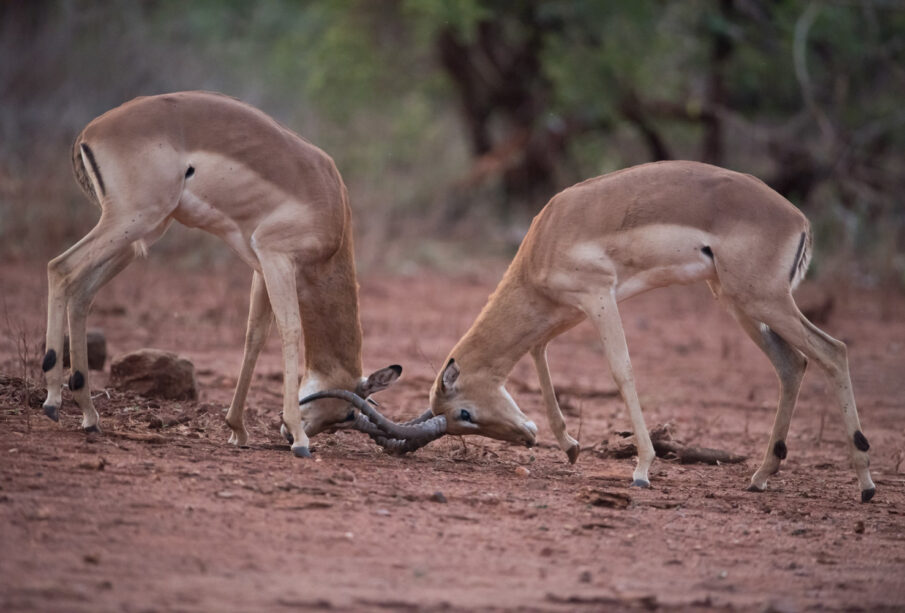
Africa’s wilderness is one of the most unforgiving environments on Earth.
From the scorching savannahs to dense jungles and vast deserts, survival is never guaranteed. Yet, the animals that call this continent home have mastered the art of resilience. Their daily lives are guided by instinct, adaptation, and strategy, lessons that humans can surprisingly learn from.
1. Adaptability Is Everything
Take the African Elephant, for example. During droughts, elephants travel long distances in search of water, using memory and experience passed down through generations. They adjust their behavior depending on the environment, proving that survival often depends on flexibility rather than strength.
Human lesson: When circumstances change, whether in work, finances, or relationships, adaptability can be your greatest advantage.
2. Strength in Community
African Lions live in prides, where each member plays a role. While some hunt, others guard the territory or care for the cubs. Their success depends on cooperation and trust within the group.
Human lesson: No one thrives alone. Strong communities, family, friends, or colleagues, offer support, protection, and shared success.
3. Stay Alert and Aware
The Impala survives by being constantly vigilant. With predators lurking nearby, it relies on sharp senses and quick reflexes to escape danger.
Human lesson: Awareness of your environment, whether it’s financial risks, career opportunities, or personal safety, can make the difference between success and failure.
4. Patience Pays Off
The Cheetah is known for its speed, but what’s often overlooked is its patience. It carefully stalks its prey, waiting for the perfect moment before launching a chase. Acting too soon wastes energy and reduces chances of success.
Human lesson: Timing matters. Rushing decisions can lead to mistakes, while patience often brings better results.
5. Use What You Have
The Dung Beetle may not seem impressive, but it thrives by making use of what others discard. It turns waste into food and shelter, demonstrating resourcefulness at its finest.
Human lesson: Success doesn’t always come from having more, it comes from using what you already have effectively.
6. Resilience in Harsh Conditions
In the deserts, the Fennec Fox survives extreme heat with large ears that help regulate body temperature. It conserves energy and adapts its behavior to the harsh environment.
Human lesson: Tough times require resilience and smart adjustments. Instead of fighting conditions you can’t change, learn how to work within them.
7. Know When to Stand Your Ground
The Cape Buffalo is known for its defensive strength. When threatened, it doesn’t always run, it sometimes stands its ground, especially when protecting the herd.
Human lesson: Not every challenge should be avoided. Sometimes, standing firm and defending what matters is the right move.
8. Camouflage and Strategy
The Leopard is a master of stealth. It blends into its surroundings, moves silently, and strikes with precision.
Human lesson: Strategy often beats brute force. Being observant and thoughtful can give you an edge in competitive situations.
Final Thoughts
Africa’s wild animals don’t just survive, they thrive in conditions that demand intelligence, discipline, and instinct. Their behaviors offer powerful insights into how to navigate life’s uncertainties.
Whether it’s adapting to change, building strong relationships, or staying patient and alert, these lessons remind us that survival isn’t just about strength, it’s about wisdom, strategy, and resilience.




Leave a reply







Africa’s Source for Breaking News | Entertainments | Health | Finance | Sports | Lifestyle and Business News.


