
The Growth of Online Grocery Shopping

The Growth of Online Grocery Shopping
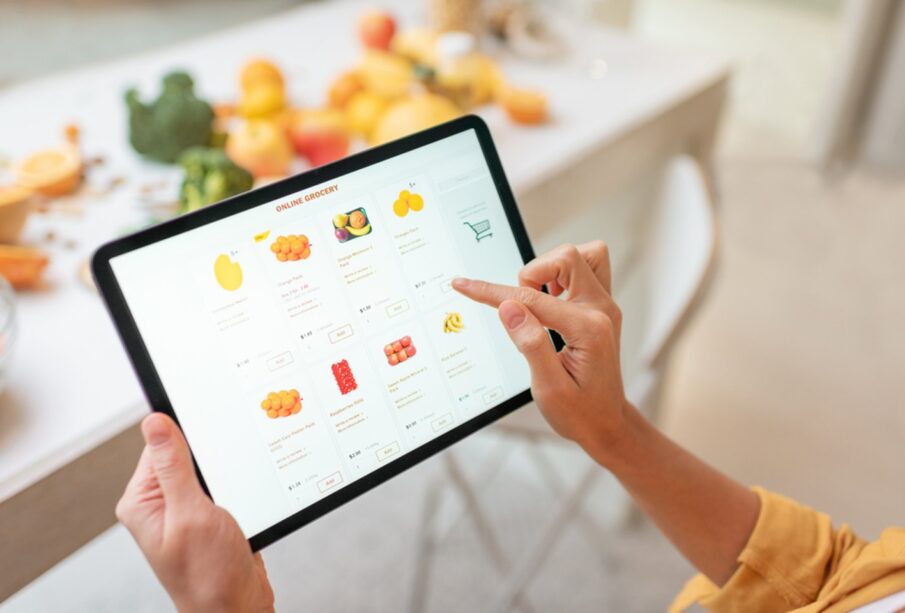
Online grocery shopping has evolved from a convenient alternative into an essential part of modern life.
Busy lifestyles, urbanization, and improved logistics have made online grocery shopping attractive to families, young professionals, businesses, and even rural communities in some regions. While challenges such as delivery infrastructure and digital literacy remain, the industry continues to grow, creating new opportunities for retailers, entrepreneurs, and consumers alike.
This article explores the factors driving the growth of online grocery shopping, its benefits, challenges, emerging trends, and what the future looks like across Africa.
What Is Online Grocery Shopping?
Online grocery shopping allows consumers to browse, select, and purchase food items and household products through websites or mobile applications. Instead of visiting physical supermarkets or local markets, customers can place orders online and choose either home delivery or store pickup.
Products commonly purchased online include:
- Fresh fruits and vegetables
- Meat and seafood
- Dairy products
- Rice, grains, and cereals
- Cooking oils and spices
- Snacks and beverages
- Cleaning supplies
- Personal care products
Many online grocery stores now offer same-day or next-day delivery, making shopping even more convenient.
Why Online Grocery Shopping Is Growing
1. Increased Smartphone Usage
The widespread availability of affordable smartphones has made online shopping accessible to millions of people.
Consumers can:
- Compare prices
- Read reviews
- Track deliveries
- Make secure payments
In many African countries, mobile internet has become the primary gateway to e-commerce.
2. Busy Urban Lifestyles
Modern consumers have less time for traditional grocery shopping.
Instead of spending hours:
- Driving to stores
- Standing in queues
- Carrying heavy bags
People can complete their shopping in minutes from home or work.
This convenience is especially valuable for:
- Working professionals
- Parents
- Elderly individuals
- Students
3. Better Internet Access
Internet penetration across Africa continues to improve.
As connectivity expands:
- More consumers discover online marketplaces.
- Digital literacy increases.
- Retailers reach larger customer bases.
Reliable internet access is becoming a major driver of digital commerce.
4. Improved Digital Payment Systems
Secure payment options have increased consumer confidence.
Popular payment methods include:
- Mobile money
- Debit cards
- Credit cards
- Bank transfers
- Cash on delivery in some markets
These flexible payment options encourage more people to shop online.
5. Expansion of Delivery Services
Logistics companies have significantly improved their delivery networks.
Many businesses now offer:
- Same-day delivery
- Scheduled deliveries
- Real-time order tracking
- Flexible delivery windows
Improved logistics make online grocery shopping more reliable.
Benefits of Online Grocery Shopping
Saves Time
Customers avoid traffic, long checkout lines, and crowded supermarkets.
Shopping can be completed anytime, including evenings and weekends.
Greater Product Variety
Online stores often stock more products than physical stores.
Consumers can easily access:
- Imported foods
- Specialty products
- Organic foods
- Gluten-free options
- Local brands
Easier Price Comparison
Online platforms allow shoppers to compare prices instantly.
This helps consumers:
- Find better deals
- Take advantage of discounts
- Stay within budget
Reduced Impulse Buying
Unlike walking through supermarket aisles filled with tempting products, online shoppers often purchase only what they need.
Many consumers save money by shopping with a prepared list.
Convenient Home Delivery
Home delivery is one of the biggest attractions of online grocery shopping.
This benefits:
- Families with young children
- Elderly people
- Individuals with disabilities
- Busy professionals
How Online Grocery Shopping Is Transforming Africa
Across Africa, online grocery platforms are reshaping food retail.
Several trends are driving this transformation.
Local Markets Going Digital
Traditional food vendors increasingly use:
- Mobile ordering platforms
Customers can order directly without visiting the market.
Small Businesses Reaching More Customers
Digital platforms allow neighborhood grocery stores to compete with larger supermarkets.
Even small retailers can:
- Build online catalogs
- Accept digital payments
- Deliver within their communities
Growth of Food Delivery Ecosystems
Many delivery companies now combine:
- Restaurant meals
- Grocery shopping
- Pharmacy products
- Household essentials
Customers enjoy multiple services from one application.
Support for Farmers
Some online grocery businesses connect consumers directly with farmers.
Benefits include:
- Fresher produce
- Better farmer earnings
- Lower food waste
- Shorter supply chains
Challenges Facing Online Grocery Shopping
Delivery Costs
Delivery fees can discourage customers, especially for small orders.
Businesses continue searching for affordable delivery models.
Cold Storage Requirements
Fresh products such as:
- Meat
- Fish
- Dairy
- Frozen foods
require temperature-controlled transportation.
Maintaining product quality remains a challenge.
Internet Limitations
Some rural areas still experience:
- Poor connectivity
- Limited smartphone ownership
- Low digital literacy
These factors slow adoption.
Customer Trust
Some shoppers worry about:
- Product freshness
- Incorrect orders
- Delivery delays
- Payment security
Building trust requires excellent customer service and transparent return policies.
Inventory Management
Accurate inventory is essential.
Nothing frustrates customers more than ordering products that later become unavailable.
Retailers increasingly use inventory management software to reduce stock issues.
Emerging Trends
AI-Powered Shopping
Artificial intelligence is helping retailers:
- Recommend products
- Predict customer preferences
- Optimize inventory
- Improve delivery routes
AI creates more personalized shopping experiences.
Subscription Grocery Services
Some retailers offer recurring deliveries.
Customers can automatically receive:
- Rice
- Milk
- Bread
- Eggs
- Household supplies
This saves time and ensures essential items never run out.
Voice Shopping
As smart assistants become more popular, consumers may soon order groceries using simple voice commands.
Eco-Friendly Packaging
Consumers increasingly prefer sustainable packaging.
Retailers are responding by introducing:
- Reusable bags
- Paper packaging
- Recyclable materials
Faster Delivery
Competition continues to shorten delivery times.
Some cities now offer deliveries in under one hour.
Tips for Consumers Shopping Online
To get the best experience:
- Shop from reputable retailers.
- Compare prices before purchasing.
- Read customer reviews.
- Check delivery policies.
- Inspect products immediately upon delivery.
- Keep digital receipts.
- Use secure payment methods.
- Create shopping lists to avoid overspending.
Opportunities for Entrepreneurs
The online grocery industry presents numerous business opportunities across Africa.
Potential ventures include:
- Grocery delivery services
- Farm-to-home delivery
- Fresh produce marketplaces
- Cold-chain logistics
- Inventory management software
- Digital payment solutions
- Packaging businesses
- Last-mile delivery services
As consumer demand continues to grow, innovative entrepreneurs can build successful businesses that improve food access and convenience.
The Future of Online Grocery Shopping
The future of online grocery shopping looks promising. Continued investments in internet infrastructure, digital payments, logistics, and e-commerce technology will make grocery delivery faster, more reliable, and more affordable. In Africa, rising urban populations and a growing middle class are expected to further accelerate adoption. Retailers that prioritize customer experience, product quality, and efficient delivery will be well positioned to thrive in this rapidly evolving market.
Conclusion
Online grocery shopping is transforming how people buy food and household essentials. Driven by technology, changing consumer habits, and expanding delivery networks, it offers convenience, time savings, and broader access to products. Although challenges such as logistics, delivery costs, and infrastructure remain, innovation continues to improve the shopping experience.
For consumers, online grocery shopping provides flexibility and convenience. For businesses and entrepreneurs, it opens new markets and revenue streams. As Africa’s digital economy grows, online grocery shopping is set to become an increasingly important part of everyday life, connecting households with quality products more efficiently than ever before.
The Future of Smart Agriculture
July 19, 2026Reviewing Africa’s Fastest-Growing Fintech Apps
July 19, 2026Africa’s Most Important Elections and Their Impact
July 19, 2026
Leave a reply Cancel reply
Latest Posts
-
The Future of Smart Agriculture
July 19, 2026 -
Reviewing Africa’s Fastest-Growing Fintech Apps
July 19, 2026 -
The Growth of Online Grocery Shopping
July 19, 2026 -
Africa’s Most Important Elections and Their Impact
July 19, 2026 -
How Families Can Build Financial Security
July 18, 2026
Weekly Podcast
Travel News
-
Culinary Tourism Across the Continent
July 16, 2026 -
Travel Safety Tips for African Adventures
July 11, 2026 -
How Local Communities Protect Wildlife
July 8, 2026
Personal Development
-
How Families Can Build Financial Security
July 18, 2026 -
Lessons Learned From Africa’s Growth Story
July 16, 2026 -
How to Maintain Long-Term Relationships
July 14, 2026