
Africa’s Most Important Elections and Their Impact
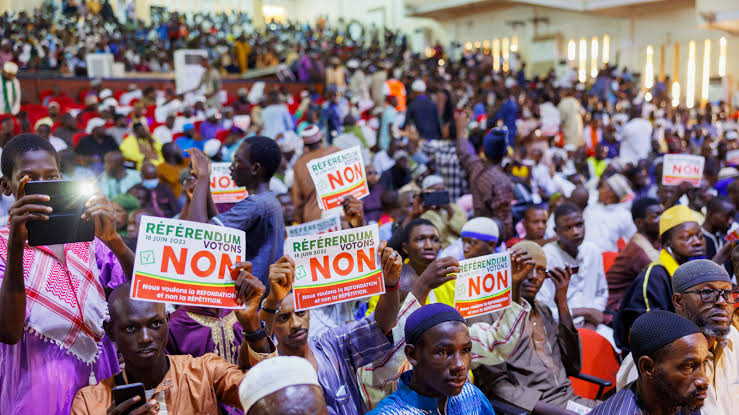
Africa's Most Important Elections and Their Impact
Elections are among the most powerful tools for shaping the future of any nation.
Across Africa, elections have not only determined political leadership but have also influenced economic growth, social stability, democratic development, and international relations. From historic transitions that ended decades of authoritarian rule to closely contested polls that tested democratic institutions, elections have played a defining role in the continent’s modern history.
While Africa‘s political landscape is incredibly diverse, with 54 countries, hundreds of ethnic groups, and different systems of government, many elections have become turning points that changed the direction of entire nations. Some ushered in peace and reform, while others exposed deep political divisions and triggered periods of instability.
This article explores some of Africa’s most significant elections, their historical importance, and the lasting impact they have had on their respective countries and the continent as a whole.
Why Elections Matter in Africa
Elections serve several essential purposes beyond simply choosing leaders. They:
- Strengthen democratic governance.
- Give citizens a voice in national decision-making.
- Promote political accountability.
- Encourage peaceful transfers of power.
- Influence economic confidence and investment.
- Shape international partnerships.
- Determine policy direction on education, healthcare, security, and infrastructure.
When conducted fairly, elections increase public trust in government. When they are disputed or manipulated, they can undermine democracy and social cohesion.
South Africa’s 1994 Democratic Election
A Historic End to Apartheid
South Africa’s 1994 election remains one of the most important political events in African history. It marked the country’s first democratic election in which citizens of all races were allowed to vote.
After decades of apartheid, a system of institutionalized racial segregation, the election represented hope, reconciliation, and equality. The victory of Nelson Mandela symbolized a peaceful transition from oppression to democracy.
Impact
- Ended apartheid officially.
- Improved South Africa’s global reputation.
- Opened opportunities for constitutional democracy.
- Inspired democratic movements across Africa.
- Increased foreign investment and diplomatic relations.
Despite ongoing social and economic challenges, the election remains a global example of peaceful political transformation.
Ghana’s 2000 Presidential Election
Peaceful Democratic Transition
Ghana’s 2000 election was historic because it marked the country’s first peaceful transfer of power between rival political parties under the Fourth Republic.
This demonstrated that democratic institutions in West Africa could function effectively without military intervention.
Impact
- Strengthened democratic institutions.
- Increased investor confidence.
- Encouraged political stability.
- Positioned Ghana as one of Africa’s strongest democracies.
- Became a model for peaceful elections across the continent.
Today, Ghana continues to receive international recognition for relatively credible electoral processes.
Nigeria’s 2015 Presidential Election
Defeat of an Incumbent President
Nigeria’s 2015 election became one of Africa’s most significant democratic milestones because it was the first time an opposition candidate defeated a sitting president through the ballot box.
Muhammadu Buhari defeated incumbent President Goodluck Jonathan in an election widely regarded as a major democratic achievement. Perhaps even more important was Jonathan’s decision to concede defeat peacefully.
Impact
- Strengthened Nigeria’s democratic reputation.
- Reduced fears of nationwide violence.
- Improved international confidence.
- Encouraged peaceful political competition.
- Demonstrated the power of voters.
Although Nigeria continues to face electoral challenges, the 2015 election remains an important democratic landmark.
Kenya’s 2002 Election
Ending Four Decades of Single-Party Dominance
Kenya’s 2002 election ended the long rule of the Kenya African National Union (KANU), which had governed since independence. The opposition coalition won decisively, marking a new chapter in Kenyan politics.
Impact
- Increased democratic optimism.
- Expanded political freedoms.
- Introduced governance reforms.
- Strengthened civil society participation.
- Encouraged constitutional reforms.
However, later elections highlighted the need for stronger electoral institutions and conflict prevention.
Liberia’s 2005 Presidential Election
Rebuilding After Civil War
Following years of devastating civil conflict, Liberia held elections that resulted in the victory of Ellen Johnson Sirleaf, Africa’s first elected female president.
The election symbolized national recovery and renewed hope.
Impact
- Restored international confidence.
- Encouraged peacebuilding.
- Improved relations with development partners.
- Expanded women’s political participation.
- Accelerated institutional rebuilding.
Liberia’s election demonstrated that democratic processes can support post-conflict recovery.
Zambia’s 1991 Election
Return to Multiparty Democracy
After years of one-party rule, Zambia held multiparty elections that resulted in Frederick Chiluba defeating Kenneth Kaunda. This peaceful transfer of power became one of Africa’s earliest democratic success stories during the post-Cold War era.
Impact
- Encouraged democratic reforms.
- Influenced neighboring countries.
- Expanded political participation.
- Improved constitutional governance.
Senegal’s 2000 Election
Democratic Maturity
Senegal’s 2000 election ended decades of uninterrupted rule by one political party. The peaceful transition reinforced Senegal’s reputation as one of West Africa’s most stable democracies.
Impact
- Increased political competition.
- Strengthened democratic institutions.
- Enhanced regional confidence.
- Improved governance reforms.
Malawi’s 2020 Fresh Presidential Election
Judicial Independence in Action
Malawi made history after its Constitutional Court annulled the disputed 2019 election due to irregularities. A fresh election was held in 2020, resulting in a peaceful transfer of power.
This became one of Africa’s strongest examples of judicial independence.
Impact
- Reinforced the rule of law.
- Increased public trust in the judiciary.
- Strengthened electoral accountability.
- Showed that legal institutions can protect democracy.
Tunisia’s 2014 Presidential Election
Democratic Progress After the Arab Spring
Following the 2011 revolution, Tunisia conducted democratic elections that were widely praised internationally. Although Tunisia has faced political changes in recent years, the election represented an important milestone during its democratic transition.
Impact
- Improved democratic participation.
- Enhanced constitutional governance.
- Increased civil liberties.
- Inspired reform discussions across North Africa.
Common Challenges Facing African Elections
Despite significant progress, many countries continue to experience electoral challenges.
These include:
Electoral Violence
Political tensions sometimes lead to violence before, during, or after voting.
Misinformation
False information spread through traditional and social media can influence public opinion and create confusion.
Vote Buying
In some regions, financial incentives or gifts are used to influence voter behavior, undermining electoral integrity.
Weak Institutions
Independent electoral commissions and judicial systems are essential for credible elections but may face political pressure.
Low Voter Turnout
Disillusionment, logistical barriers, or security concerns can discourage citizens from participating.
Positive Trends Across Africa
Despite these challenges, there have been encouraging developments:
- Growing youth participation in politics.
- Greater involvement of women in leadership.
- Improved use of election technology.
- Increased election observation by regional and international organizations.
- Stronger civil society engagement.
- More peaceful transfers of power in several countries.
These trends suggest that democratic institutions continue to evolve across much of the continent.
The Economic Impact of Elections
Political stability often influences economic performance.
Successful elections can:
- Attract foreign investment.
- Boost tourism.
- Improve business confidence.
- Encourage long-term development projects.
- Strengthen international trade partnerships.
Conversely, disputed elections may lead to capital flight, reduced investor confidence, and economic uncertainty.
The Role of Young People
Africa has one of the world’s youngest populations, making youth participation essential to the future of democracy.
Young voters are increasingly:
- Registering to vote.
- Running for public office.
- Monitoring elections.
- Promoting civic education.
- Using digital platforms to advocate for transparency and accountability.
Their engagement is reshaping political conversations and encouraging greater responsiveness from leaders.
Looking Ahead
The future of elections in Africa will depend on continued efforts to strengthen institutions, uphold the rule of law, and ensure that electoral processes remain transparent, inclusive, and credible. Investments in civic education, independent electoral management, technology that enhances, not replaces, trust, and peaceful political dialogue will be critical.
As democratic practices mature across the continent, elections will continue to influence governance, economic development, regional cooperation, and citizens’ confidence in public institutions.
Conclusion
Africa’s most important elections have done more than determine who holds political office, they have shaped the course of nations. From South Africa’s historic rejection of apartheid and Ghana’s peaceful democratic transition to Nigeria’s landmark opposition victory and Liberia’s post-war recovery, these elections demonstrate both the promise and complexity of democracy on the continent.
While electoral challenges remain, the progress achieved over recent decades shows a growing commitment to constitutional governance, peaceful transfers of power, and citizen participation. As African democracies continue to evolve, each credible election strengthens the foundation for a more stable, prosperous, and inclusive future.
By learning from past successes and addressing persistent challenges, African nations can ensure that elections remain powerful instruments for positive change, reflecting the will of the people and supporting sustainable development across the continent.



Leave a reply





Africa’s Source for Breaking News | Entertainments | Health | Finance | Sports | Lifestyle and Business News.


