
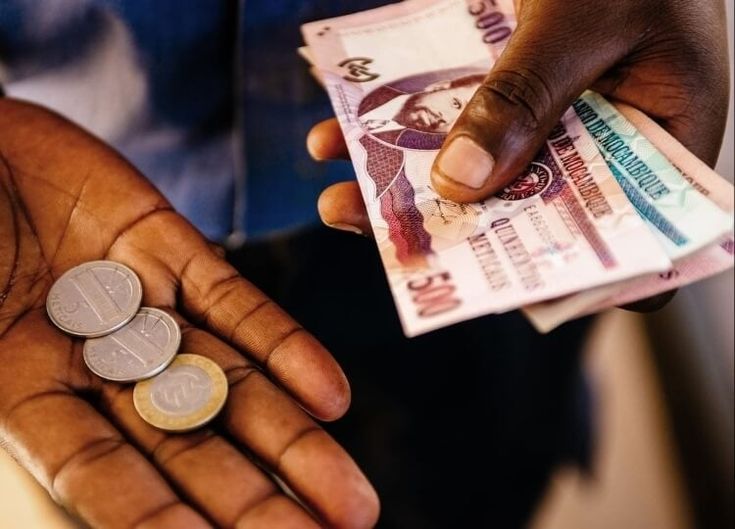
The Informal Economy in Mozambique
The Informal Economy in Mozambique: Africa’s Biggest Employer Explained
Across Mozambique, economic activity does not always happen inside office buildings, registered companies, or modern shopping centres. It happens in crowded markets, roadside stalls, family farms, small workshops, and neighbourhood food businesses. These activities form the informal economy, a vital part of everyday life for millions of people.
Mozambique, like many African countries, depends heavily on informal work to provide livelihoods where formal employment remains limited. From traders selling vegetables in Maputo to farmers supplying local communities and young people offering transport or repair services, informal workers keep money circulating and communities functioning.
Although the informal economy provides opportunities, it also exposes workers to unstable incomes, limited protection, and economic uncertainty. Understanding this sector is essential to understanding Mozambique’s employment challenges and its wider development prospects.
What Is the Informal Economy?
The informal economy consists of economic activities that operate partly or entirely outside formal regulatory, registration, taxation, or social protection systems. It includes self-employed traders, street vendors, domestic workers, small-scale farmers, artisans, construction workers, and many microbusinesses.
However, informality does not necessarily mean illegality. A street vendor may operate a legitimate business without formal registration, while a registered company may employ workers informally. The distinction depends on how the business operates and whether workers receive the protections associated with formal employment.
In Mozambique, informal work is particularly important because formal employment opportunities have not expanded quickly enough to absorb everyone entering the labour market. A growing population, widespread rural poverty, limited industrial development, and skills mismatches all contribute to the sector’s importance.
Why the Informal Economy Employs So Many People
1. Limited Formal Employment Opportunities
Mozambique possesses valuable natural resources, including natural gas, coal, and minerals. Nevertheless, resource wealth does not automatically create enough jobs for the wider population.
Large mining and energy projects often require substantial investment, specialised skills, and advanced equipment. Consequently, they may generate considerable revenue without employing workers on the scale needed to meet national employment demands.
For many people, informal work becomes the most accessible alternative. Selling produce, operating a small shop, preparing meals, or providing transport services allows individuals to earn money without waiting for a formal job opportunity.
2. Agriculture Supports Rural Livelihoods
Agriculture remains central to Mozambique’s economy and rural employment. Many households depend on small-scale farming, livestock, fishing, and the sale of agricultural products.
Some farmers produce food mainly for their families, while others sell surplus crops through local markets. However, limited access to irrigation, affordable credit, storage facilities, and reliable transport can make agricultural incomes unpredictable.
Informal agricultural trading also connects rural producers with urban consumers. Traders purchase cassava, maize, vegetables, fish, and other products, helping food reach households while creating livelihoods along the supply chain.
3. Low Barriers to Entry
Starting a formal business can require registration, licences, bookkeeping, tax compliance, and access to suitable premises. These requirements may be difficult for people with limited savings or administrative support.
Informal businesses often require less initial capital. Someone can begin selling fruit from a roadside stand, preparing snacks at home, repairing mobile phones, or reselling household products with relatively modest resources.
This accessibility makes informal work especially important for young people, women, and households seeking additional income. It also allows entrepreneurs to test business ideas before investing in formal expansion.
The Major Sectors Driving Informal Employment
Street trading and retail: Small traders sell food, clothing, household goods, and everyday essentials. Their businesses improve access to affordable products, particularly in neighbourhoods underserved by larger retailers.
Agriculture and fishing: Smallholder farmers, fishers, produce collectors, and market traders support local food systems. Their activities sustain families and connect rural communities to urban markets.
Transport and personal services: Motorcycle taxis where permitted, minibus operators, mechanics, hairdressers, barbers, cleaners, and domestic workers provide essential services. Many work independently or through small, loosely organised businesses.
Construction and skilled trades: Carpenters, masons, painters, electricians, and casual labourers contribute to housing and infrastructure development. Yet irregular contracts and limited insurance can leave them vulnerable when work slows down.
Together, these activities demonstrate that the informal economy is not a single industry. It is a broad network of livelihoods that supports households and supplies goods and services throughout the country.
The Challenges Facing Informal Workers
Despite its importance, informal employment often comes with serious disadvantages. Income may fluctuate daily, and workers can struggle to cover rent, food, transport, school fees, and healthcare expenses.
Many also lack written employment contracts, paid leave, pensions, unemployment protection, and reliable access to affordable healthcare. A serious illness, accident, flood, or sudden fall in demand can therefore threaten an entire household’s financial stability.
Access to finance presents another obstacle. Without formal records or acceptable collateral, small entrepreneurs may struggle to obtain bank loans. As a result, they often rely on personal savings, family support, or informal borrowing to purchase stock and maintain operations.
Infrastructure problems make these challenges worse. Poor roads, unreliable electricity, inadequate storage, and limited digital connectivity can increase costs and reduce productivity. In areas affected by insecurity or extreme weather, business owners may also lose access to customers, markets, or their physical assets.
Furthermore, informality can limit government revenue and make it harder for authorities to measure economic activity accurately. This can weaken public planning and reduce the resources available for infrastructure and social services.
Can Mozambique Turn Informal Work into Sustainable Opportunities?
The goal should not be to eliminate informal livelihoods overnight. Doing so could remove the income source that many families depend on. Instead, Mozambique needs policies that make formalisation practical, affordable, and beneficial.
First, authorities can simplify business registration, reduce unnecessary administrative costs, and provide clear information in accessible languages. Entrepreneurs are more likely to register when the process is straightforward and the benefits are tangible.
Second, financial institutions and development organisations can expand access to microcredit, savings products, digital payments, and financial education. Appropriate financing can help traders buy stock in larger quantities, farmers improve storage, and service providers invest in equipment.
Third, vocational training can improve productivity and help young workers develop marketable skills. Training in bookkeeping, customer service, digital marketing, food processing, and technical trades can strengthen small businesses.
Finally, investments in roads, electricity, market facilities, agricultural storage, and internet access can help informal enterprises operate more efficiently. Social protection systems should also extend support to vulnerable workers, regardless of whether they hold conventional employment contracts.
Conclusion
Mozambique’s informal economy is far more than a collection of roadside stalls and small businesses. It is a major source of employment, a lifeline for vulnerable households, and an essential part of the country’s economic structure.
However, its importance should not disguise the difficulties faced by millions of workers. Unstable earnings, limited financing, weak social protection, and inadequate infrastructure prevent many businesses from reaching their full potential.
Mozambique’s challenge is therefore to transform informal economic activity into a stronger foundation for inclusive growth. With accessible finance, practical training, better infrastructure, and fairer pathways to formalisation, informal workers can build more secure livelihoods while contributing to national development.
The future of Mozambique’s economy will depend not only on the wealth extracted from its natural resources but also on whether ordinary people can turn their daily work into lasting economic progress.


Leave a reply






Africa’s Source for Breaking News | Entertainments | Health | Finance | Sports | Lifestyle and Business News.


