
The Rise of Plant-Based Foods Across Africa
The Rise of Plant-Based Foods Across Africa
Africa’s food culture has always been deeply rooted in nature.
Long before plant-based eating became a global trend, millions of Africans relied on vegetables, legumes, grains, nuts, fruits, and tubers as staples of their daily diets. Today, these traditional eating habits are experiencing a modern revival as consumers become more health-conscious, environmentally aware, and interested in sustainable living.
The rise of plant-based foods across Africa is more than a passing trend. It represents a shift toward healthier lifestyles, stronger local food systems, and greater appreciation for indigenous crops. From bustling urban restaurants serving vegan meals to farmers cultivating nutrient-rich traditional vegetables, plant-based eating is reshaping the continent’s food landscape.
This growing movement offers opportunities for consumers, entrepreneurs, farmers, and governments alike, making it one of Africa’s most exciting developments in the food industry.
Understanding Plant-Based Foods
Plant-based foods come primarily from plants, including:
- Fruits
- Vegetables
- Whole grains
- Beans and legumes
- Nuts and seeds
- Herbs and spices
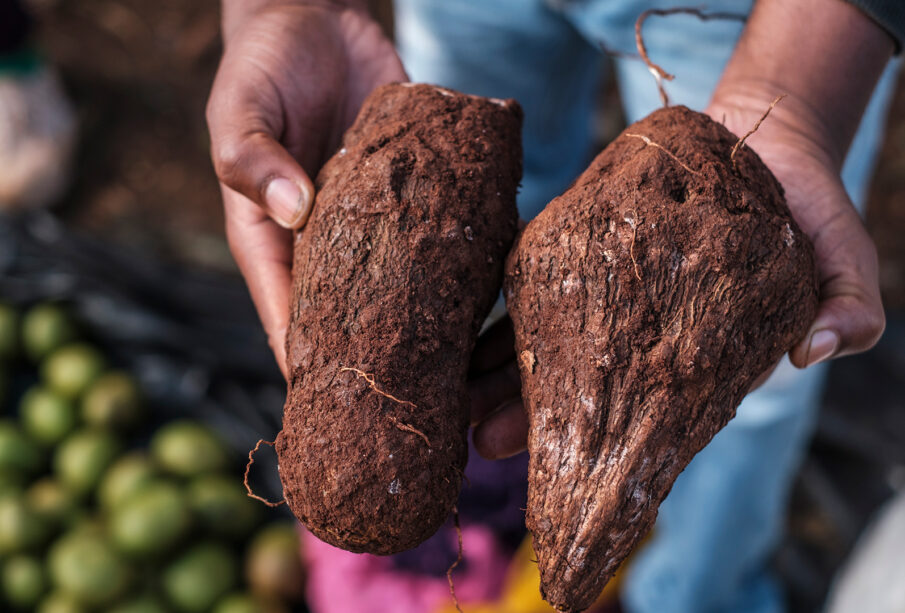
- Tubers such as yam, cassava, and sweet potatoes
Unlike strict vegan diets, plant-based eating does not necessarily eliminate all animal products. Instead, it emphasizes consuming more foods that come directly from plants while reducing dependence on meat and processed foods.
Interestingly, many traditional African dishes have always been naturally plant-based. Meals featuring beans, maize, millet, sorghum, vegetables, and local spices have nourished communities for generations.
Why Plant-Based Foods Are Gaining Popularity
Several factors are contributing to the increasing demand for plant-based meals across Africa.
Growing Health Awareness
Lifestyle diseases such as diabetes, hypertension, obesity, and heart disease are becoming more common in many African countries. As awareness grows, people are searching for healthier dietary choices.
Plant-based foods typically contain:
- High fiber
- Essential vitamins
- Minerals
- Healthy fats
- Antioxidants
These nutrients support digestion, improve heart health, strengthen immunity, and help maintain healthy body weight.
Many healthcare professionals now encourage increasing fruit and vegetable intake as part of disease prevention strategies.
Rising Food Costs
The cost of meat continues to increase in many parts of Africa due to inflation, transportation challenges, feed costs, and supply shortages.
For many households, locally grown plant-based foods provide affordable alternatives.
Examples include:
- Beans
- Lentils
- Cowpeas
- Bambara nuts
- Groundnuts
- Sweet potatoes
- Cassava
- Plantains
These foods offer excellent nutritional value while remaining accessible to families with limited budgets.
Environmental Sustainability
Agriculture plays a significant role in Africa’s economy, but climate change continues to affect food production through droughts, floods, and changing rainfall patterns.
Plant-based agriculture generally requires:
- Less water
- Less land
- Lower greenhouse gas emissions
- Fewer natural resources
Promoting plant-based diets can therefore contribute to more sustainable food systems while helping conserve valuable ecosystems.
Celebrating Indigenous African Crops
Across the continent, there is renewed appreciation for traditional crops that were once overlooked.
These include:
- Fonio
- Millet
- Sorghum
- Bambara groundnuts
- African yam beans
- Moringa
- Baobab fruit
- Amaranth leaves
- Pumpkin leaves
Many of these crops are naturally drought-resistant and highly nutritious, making them well suited for Africa’s changing climate.
They are also gaining international recognition as “superfoods,” creating new export opportunities for African farmers.
Urbanization Is Changing Eating Habits
Rapid urbanization has transformed how Africans purchase and consume food.
Consumers increasingly seek meals that are:
- Convenient
- Nutritious
- Affordable
- Environmentally friendly
Restaurants, supermarkets, cafés, and food delivery services now offer more vegetarian and vegan options than ever before.
Young professionals, students, and fitness enthusiasts are especially embracing plant-based meals as part of healthier lifestyles.
The Role of Social Media
Social media has significantly accelerated the popularity of plant-based eating.
African chefs, nutritionists, food bloggers, and influencers regularly share:
- Healthy recipes
- Cooking tutorials
- Nutrition advice
- Traditional food innovations
- Local ingredient discoveries
Platforms like Instagram, TikTok, YouTube, and Facebook have made plant-based cooking more appealing, especially to younger audiences.
Many people are discovering that healthy meals can also be colorful, flavorful, and affordable.
Opportunities for African Entrepreneurs
The rise of plant-based foods presents enormous business opportunities across multiple industries.
Food Processing
Companies are developing products such as:
- Plant-based snacks
- Dairy-free beverages
- Nut butters
- Plant-based protein powders
- Frozen vegetable meals
- Meat alternatives
These products appeal to both domestic and international markets.
Restaurants and Cafés
Vegan and vegetarian restaurants are expanding in many African cities.
Traditional dishes are also being reinvented using healthier ingredients while maintaining authentic flavors.
This creates opportunities for chefs to showcase African cuisine in creative new ways.
Farming
Demand for organic vegetables, herbs, fruits, and indigenous crops continues to rise.
Farmers who adopt sustainable farming practices may benefit from:
- Premium pricing
- Export opportunities
- Health-conscious consumers
- Government agricultural initiatives
Challenges Facing Plant-Based Growth
Despite its rapid expansion, several challenges remain.
Limited Consumer Awareness
Many people still associate balanced meals with meat, believing plant-based foods provide insufficient protein.
Nutrition education is needed to demonstrate that foods like beans, lentils, soybeans, peanuts, and cowpeas offer excellent sources of plant protein.
Supply Chain Issues
Fresh vegetables and fruits often spoil before reaching consumers due to inadequate storage and transportation infrastructure.
Improving cold-chain logistics would help reduce food waste while increasing accessibility.
Affordability of Specialty Products
Imported vegan products can be expensive.
Fortunately, Africa already produces many naturally plant-based foods that are affordable and culturally familiar, reducing reliance on imported alternatives.
The Future of Plant-Based Foods in Africa
The future looks promising.
Governments are increasingly promoting climate-smart agriculture.
Universities continue researching indigenous crops.
Food startups are developing innovative products using local ingredients.
Consumers are becoming more informed about nutrition.
International demand for African superfoods continues to grow.
As investment increases across agriculture, food processing, logistics, and retail, plant-based foods are expected to become an even larger part of Africa’s food economy.
The continent has the unique advantage of combining centuries-old culinary traditions with modern food innovation.
How Families Can Embrace Plant-Based Eating
Transitioning toward more plant-based meals does not require giving up traditional cuisine.
Families can start by:
- Including vegetables in every meal.
- Replacing some meat dishes with beans or lentils.
- Trying traditional grains like millet and sorghum.
- Exploring indigenous leafy vegetables.
- Preparing fresh fruit as healthy snacks.
- Supporting local farmers by buying seasonal produce.
- Experimenting with traditional recipes using healthier cooking methods.
Small dietary changes can produce meaningful improvements in health while supporting local agriculture.
Conclusion
The rise of plant-based foods across Africa reflects a powerful combination of tradition, innovation, health awareness, and sustainability. Rather than introducing a completely new way of eating, this movement reconnects communities with many of the nutritious foods that have been part of African cultures for generations.
As consumers seek healthier lifestyles and governments work toward stronger food security, plant-based agriculture will continue to play a critical role in shaping Africa’s future. Entrepreneurs, farmers, restaurants, and food processors all have opportunities to benefit from this growing market, while families enjoy affordable, nutritious, and delicious meals.
By celebrating indigenous crops and investing in sustainable food systems, Africa is well positioned to become a global leader in plant-based nutrition. The continent’s rich agricultural heritage offers not only solutions for healthier living but also pathways toward economic growth, environmental resilience, and long-term food security. The future of food in Africa is increasingly green, local, and deeply rooted in its own traditions.




Leave a reply







Africa’s Source for Breaking News | Entertainments | Health | Finance | Sports | Lifestyle and Business News.


