
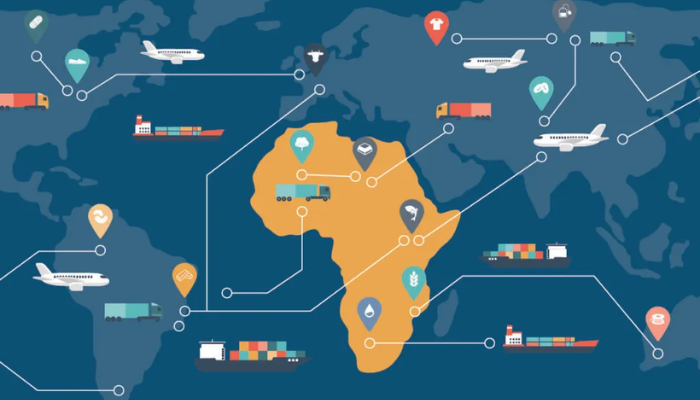
Africa’s Fastest-Growing Digital Economies
Africa’s digital economy is expanding at remarkable speed. Smartphones, mobile payments, e-commerce and digital services are changing how people work and do business.
Technology is also creating new opportunities for entrepreneurs across the continent.The growth is not limited to one country. Several African economies are building strong technology ecosystems. Kenya, Nigeria, South Africa, Ghana, Rwanda and Egypt are among the markets attracting attention.
The wider digital economy is becoming increasingly important to Africa’s growth. In 2025, mobile technologies and services contributed $240 billion to Africa’s economy. That figure represented 7.8% of the continent’s GDP. The GSMA expects the contribution to reach $290 billion by 2030.
Kenya: A Leader in Mobile Innovation
Kenya has built one of Africa’s most recognised digital economies. Its success is closely linked to mobile money and digital financial services.
Mobile payments have changed how many Kenyans send, receive and manage money. Businesses also use digital platforms to serve customers and accept payments.
Nairobi has become an important technology hub. Startups operate across fintech, agriculture, logistics, healthcare and e-commerce.
Kenya’s digital economy also benefits from a growing technology talent pool. Local entrepreneurs continue to develop solutions for African markets.
Nigeria: A Major Fintech and Technology Hub
Nigeria has one of Africa’s largest technology markets. Its huge population provides a significant customer base for digital businesses.
Lagos remains a major centre for fintech and technology startups. Companies are developing payment platforms, digital banks and online marketplaces.
Beyond financial services, Nigerian businesses are adopting technology in logistics, education, entertainment and healthcare.
The country also has a strong community of young entrepreneurs. Many are building businesses that serve customers locally and across Africa.
However, infrastructure remains a major challenge. Internet affordability, electricity supply and digital skills can affect the pace of adoption.
South Africa: A Mature Digital Market
South Africa has one of the continent’s most developed technology ecosystems. Its strong financial sector supports innovation in fintech and digital banking.
Johannesburg and Cape Town are important centres for technology businesses. These cities host companies working in software, e-commerce, cybersecurity and financial services.
The country is also attracting investment in data centres and cloud infrastructure. Such investments can support the next stage of digital growth.
South Africa’s challenge is to make digital opportunities more accessible. Affordable connectivity and digital skills remain important priorities.
Ghana: Growing Through Digital Finance
Ghana is another African country experiencing strong digital growth. Mobile money has played an important role in expanding digital financial services.
Accra has developed into a growing technology and startup centre. Local businesses are using digital tools to improve commerce, payments and customer service.
E-commerce is also creating opportunities for small businesses. Entrepreneurs can now reach customers beyond their immediate communities.
Ghana’s digital progress shows how technology can support both established companies and smaller enterprises.
Rwanda: Building a Digital Government
Rwanda has taken an ambitious approach to digital transformation. The country has invested in digital public services and technology infrastructure.
Kigali has emerged as an important technology centre in East Africa. Government services are increasingly being moved online.
This approach can reduce paperwork and make services easier to access. It can also encourage businesses to adopt digital systems.
Rwanda’s relatively small market does not prevent it from becoming an important technology destination. Its focus on innovation has helped raise its profile within Africa’s technology sector.
Egypt: Expanding Its Technology Ecosystem
Egypt has a large consumer market and a growing technology sector. Cairo is an important centre for startups, fintech companies and digital services.
The country is investing in digital government and financial technology. E-commerce is also becoming more important as consumers become more comfortable with online transactions.
Egypt’s location gives it another advantage. The country connects markets across Africa, the Middle East and Europe.
This position could support further growth in technology services and digital trade.
What Is Driving Africa’s Digital Growth?
Several factors are supporting the expansion of digital economies across Africa.
Mobile Connectivity
Mobile phones have become the main gateway to the internet for many Africans. This has allowed digital services to reach consumers without relying on traditional infrastructure.
The mobile industry is now moving beyond basic connectivity. Operators are investing in AI, digital services and business solutions.
Fintech
Financial technology remains one of Africa’s strongest digital sectors. Mobile money and digital payments are helping consumers and businesses make faster transactions.
Fintech is also expanding access to financial services. Small businesses can use digital platforms to receive payments and manage their finances.
Young Entrepreneurs
Africa has a large young population. Many young people are comfortable using smartphones and social platforms.
Entrepreneurs are also using technology to solve local problems. Their businesses cover areas such as transport, agriculture, education and retail.
Artificial Intelligence
AI is becoming the next major opportunity. Businesses can use it for customer service, data analysis, marketing and automation.
African technology companies are also exploring AI applications designed for local needs. However, limited computing resources and a shortage of specialised talent remain challenges.
Digital Infrastructure
Better internet networks are essential for continued growth. Investment in fibre networks, data centres and mobile infrastructure can improve access.
The GSMA says African mobile operators are expected to invest more than $76 billion in network infrastructure between 2024 and 2030.
Challenges Facing Africa’s Digital Economies
Despite rapid progress, major barriers remain.
Affordability is one of the biggest concerns. Millions of people live within mobile broadband coverage but still do not use mobile internet.
According to the GSMA, about 63% of Africa’s population was covered by mobile broadband but not using mobile internet in 2025. Device costs and limited digital skills are among the main barriers.
Electricity supply is another concern. Digital businesses depend on reliable power to operate networks, servers and offices.
Governments must also address cybersecurity and data protection. Strong regulations can help build trust while still allowing innovation.
The Future of Africa’s Digital Economy
Africa’s digital transformation is still in its early stages. Mobile payments and fintech have already changed everyday economic activity. The next wave could be driven by AI, cloud computing, digital identity and e-commerce. Countries that invest in infrastructure and digital skills will be better positioned to benefit. Affordable internet access will also be essential.
The opportunity extends beyond major technology companies. Small businesses can use digital tools to reach customers, manage operations and compete in wider markets.
Africa’s fastest-growing digital economies therefore have something important in common. They are not simply adopting technology. They are using it to solve economic problems and create new opportunities.
With mobile technology alone expected to contribute $290 billion to Africa’s economy by 2030, the continent’s digital transformation could become one of its most important engines of future growth.




Leave a reply




Africa’s Source for Breaking News | Entertainments | Health | Finance | Sports | Lifestyle and Business News.


