
The Rise of Healthy Eating Movements
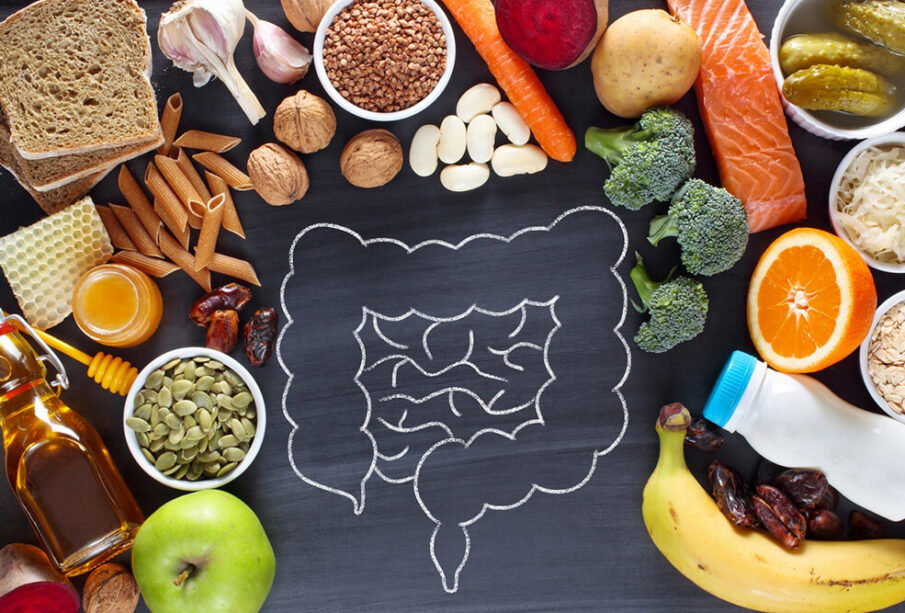
The Rise of Healthy Eating Movements
In recent years, healthy eating has evolved from a personal choice into a global movement.
Millions of people are becoming more intentional about what they eat, where their food comes from, and how their dietary choices affect their health and the environment. As a result, healthy eating movements have gained significant momentum across Africa and beyond, influencing households, restaurants, food manufacturers, schools, and governments.
Today, people no longer focus solely on satisfying hunger. Instead, they seek foods that nourish the body, improve mental well-being, prevent diseases, and support sustainable food systems. This shift has transformed the food industry and encouraged individuals to make healthier lifestyle choices.
What Is a Healthy Eating Movement?
A healthy eating movement is a collective effort that encourages people to adopt nutritious eating habits and make informed food choices. Unlike temporary diet trends, these movements promote long-term changes that improve overall health and well-being.
Healthy eating movements emphasize:
- Consuming more fruits and vegetables.
- Choosing whole grains over refined grains.
- Eating lean proteins.
- Reducing processed foods.
- Limiting added sugars and excessive salt.
- Drinking enough water.
- Practicing portion control.
Most importantly, these movements encourage balance rather than extreme food restrictions.
Why Healthy Eating Is Becoming More Popular
Several factors have contributed to the growing popularity of healthy eating around the world.
Increased Health Awareness
People have become more aware of how diet affects their health. Research consistently links poor eating habits to obesity, diabetes, hypertension, heart disease, and certain cancers. Consequently, many individuals now prioritize nutritious foods to reduce their risk of chronic illnesses and improve their quality of life.
Easy Access to Information
The internet has made nutrition education more accessible than ever. Through blogs, podcasts, online courses, documentaries, and social media, people can easily learn about healthy recipes, meal planning, and balanced diets.
Although misinformation exists, credible health organizations continue to provide evidence-based nutritional guidance.
Rising Healthcare Costs
Preventive healthcare has become increasingly important. Many families recognize that eating healthier today can reduce future medical expenses. Therefore, investing in nutritious foods is often viewed as an investment in long-term health.
Environmental Concerns
Consumers are becoming more conscious of the environmental impact of food production. Many healthy eating movements encourage locally grown produce, seasonal foods, and reduced food waste, all of which support environmental sustainability.
Healthy Eating Trends Around the World
Healthy eating movements have inspired several popular food trends.
Plant-Based Diets
Plant-based eating has expanded rapidly over the past decade. While some people become vegetarian or vegan, others simply increase their intake of vegetables, legumes, fruits, and whole grains while reducing meat consumption.
Organic Foods
Many consumers now prefer foods grown without synthetic pesticides or harmful chemicals. Although organic foods may cost more, supporters believe they offer environmental and health benefits.
Clean Eating
Clean eating focuses on consuming minimally processed foods and avoiding artificial ingredients, preservatives, and excessive sugar.
Mindful Eating
Rather than rushing through meals, mindful eating encourages people to pay attention to hunger signals, eat slowly, and enjoy every bite. This practice often improves digestion and reduces overeating.
Functional Foods
Foods rich in additional health benefits have become increasingly popular. These include yogurt with probiotics, oats rich in fiber, nuts packed with healthy fats, and fermented foods that support gut health.
Healthy Eating Movements Across Africa
Africa is also experiencing a growing interest in healthier diets. Urbanization, changing lifestyles, and increasing awareness of nutrition have encouraged many Africans to rethink their eating habits.
Across the continent, people are rediscovering traditional foods that are naturally nutritious. Indigenous grains such as millet, sorghum, fonio, and teff are gaining popularity because they are rich in nutrients and often more resilient to changing climate conditions.
Similarly, leafy vegetables, beans, sweet potatoes, yams, fresh fruits, and locally sourced fish continue to form important parts of balanced African diets.
Nutrition campaigns by governments, healthcare organizations, schools, and community groups have also helped educate citizens about healthier food choices.
The Role of Social Media
Social media has accelerated the healthy eating movement.
Nutritionists, fitness coaches, chefs, and health influencers regularly share:
- Healthy recipes.
- Meal preparation ideas.
- Grocery shopping tips.
- Nutrition education.
- Fitness advice.
- Weight management strategies.
As a result, healthy eating has become more appealing and easier to incorporate into everyday life.
However, not every trend shared online is scientifically accurate. People should verify nutritional information using trusted healthcare professionals and reliable health organizations.
Benefits of Healthy Eating
Healthy eating offers numerous physical and mental benefits.
Better Physical Health
A balanced diet strengthens the immune system, improves heart health, supports healthy weight management, and reduces the risk of chronic diseases.
Improved Mental Well-Being
Nutrition affects brain function. Diets rich in fruits, vegetables, whole grains, healthy fats, and lean proteins can improve concentration, memory, and emotional well-being.
Increased Energy
Nutritious foods provide sustained energy throughout the day, helping people remain productive at work, school, and home.
Longer Life Expectancy
Healthy eating, combined with regular physical activity, contributes to longer and healthier lives by reducing preventable health risks.
Challenges Facing Healthy Eating
Despite its benefits, healthy eating still faces several obstacles.
High Food Prices
Fresh fruits, vegetables, and quality proteins can be expensive in some communities, making healthier diets difficult for low-income households.
Busy Lifestyles
Many people rely on fast food or processed meals because they have limited time to cook.
Marketing of Unhealthy Foods
Aggressive advertising often promotes sugary drinks, snacks, and highly processed foods, especially to children and young adults.
Limited Nutrition Education
Some communities still lack access to practical nutrition education, making it difficult to distinguish between healthy and unhealthy food choices.
How Individuals Can Eat Healthier
Healthy eating does not require perfection. Small, consistent changes often produce lasting results.
Consider these practical steps:
- Fill half your plate with vegetables and fruits.
- Choose whole grains whenever possible.
- Reduce sugary drinks and drink more water.
- Cook more meals at home.
- Limit highly processed snacks.
- Read nutrition labels before buying packaged foods.
- Practice portion control.
- Include healthy proteins in every meal.
- Plan meals in advance.
- Support local farmers by buying fresh seasonal produce.
These habits gradually become part of a healthier lifestyle.
The Future of Healthy Eating
Healthy eating movements are expected to continue growing as more people recognize the connection between nutrition, disease prevention, environmental sustainability, and overall well-being.
Technology will likely make personalized nutrition more accessible, while innovations in agriculture will increase the availability of nutritious foods. Governments, businesses, schools, and healthcare providers will also play larger roles in encouraging healthier diets.
For Africa, combining modern nutrition science with traditional food knowledge presents a unique opportunity to improve public health while preserving cultural food heritage.
Conclusion
The rise of healthy eating movements reflects a broader commitment to living longer, healthier, and more sustainable lives. People around the world are becoming more conscious of the foods they consume and the impact those choices have on their bodies, communities, and the environment.
Although challenges such as affordability and misinformation remain, the benefits of healthy eating are undeniable. By embracing balanced diets, supporting local food systems, and making informed nutritional choices, individuals can significantly improve their health and contribute to stronger, healthier communities.
Healthy eating is not about following strict diets or chasing temporary trends. Instead, it is about making thoughtful food choices every day that support lifelong wellness.




Leave a reply






Africa’s Source for Breaking News | Entertainments | Health | Finance | Sports | Lifestyle and Business News.


