
Understanding Anxiety in a Social Media Age
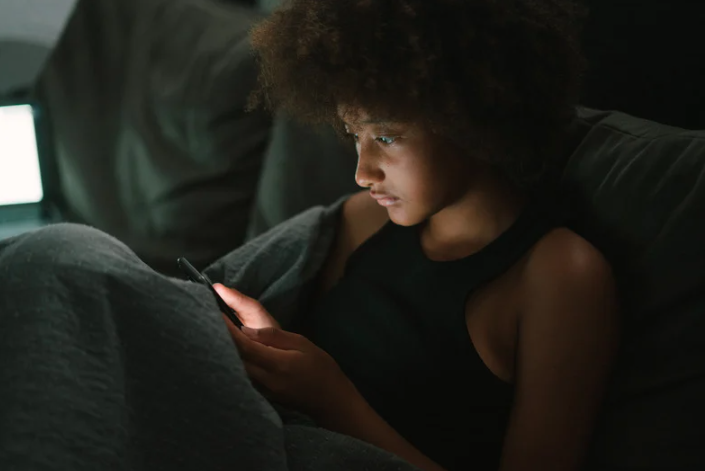
Understanding Anxiety in a Social Media Age
Social media has transformed the way people communicate, learn, and share their lives.
Platforms such as Instagram, TikTok, Facebook, X, LinkedIn, and Snapchat have created opportunities to connect with friends, discover new ideas, and build careers. However, alongside these benefits comes a growing concern: the impact of social media on mental health, particularly anxiety.
For millions of people, especially young adults, social media has become an integral part of daily life. While it can foster creativity and community, excessive or unhealthy use can contribute to stress, self-doubt, and emotional exhaustion. Understanding the relationship between anxiety and social media is the first step toward building healthier digital habits.
What Is Anxiety?
Anxiety is a natural emotional response to stress or perceived danger. It becomes problematic when feelings of worry, fear, or nervousness are persistent, overwhelming, and interfere with daily life.
Common symptoms include:
- Constant worrying
- Restlessness
- Difficulty concentrating
- Rapid heartbeat
- Muscle tension
- Trouble sleeping
- Irritability
- Feeling overwhelmed
Although anxiety can stem from many causes, modern digital lifestyles have introduced new triggers that were largely absent just two decades ago.
How Social Media Contributes to Anxiety
1. Constant Comparison
One of the biggest challenges of social media is the tendency to compare ourselves with others.
Users often post carefully selected highlights of their lives, acations, achievements, fitness progress, luxury purchases, or career milestones. Seeing an endless stream of seemingly perfect lives can make people feel inadequate.
This comparison may lead to thoughts such as:
- “I’m falling behind.”
- “Everyone else is happier.”
- “I’m not successful enough.”
Over time, these comparisons can lower self-esteem and increase anxiety.
2. Fear of Missing Out (FOMO)
Fear of Missing Out, commonly known as FOMO, occurs when people believe others are enjoying rewarding experiences without them.
Social media makes it easy to see:
- Parties
- Concerts
- Vacations
- Promotions
- Weddings
- New friendships
Repeated exposure to these updates can create feelings of loneliness and exclusion, even when those perceptions are inaccurate.
3. Pressure to Maintain an Online Image
Many users spend considerable time editing photos, crafting captions, and monitoring engagement.
Questions such as:
- “Will people like this?”
- “What if nobody comments?”
- “Do I look good enough?”
can become sources of chronic stress.
The pursuit of online validation may cause individuals to tie their self-worth to likes, shares, and followers.
4. Information Overload
Every day, users are exposed to enormous amounts of information.
This includes:
- Breaking news
- Political debates
- Economic concerns
- Health updates
- Celebrity controversies
- Viral trends
Constant exposure to negative or emotionally charged content can increase feelings of uncertainty and anxiety.
5. Cyberbullying and Online Harassment
Unlike traditional bullying, online harassment can occur at any time and reach large audiences quickly.
Victims may experience:
- Public humiliation
- Negative comments
- Rumors
- Threats
- Social exclusion
These experiences can significantly impact mental well-being and contribute to anxiety disorders.
6. Endless Notifications
Smartphones constantly compete for attention.
Frequent notifications from social media platforms encourage users to check their phones repeatedly.
Over time, this habit can create:
- Mental fatigue
- Reduced concentration
- Heightened stress
- Difficulty relaxing
Many people begin feeling anxious whenever they are away from their devices.
Signs That Social Media May Be Affecting Your Mental Health
You may need to reassess your social media habits if you notice:
- Feeling anxious before opening an app
- Comparing yourself with others frequently
- Difficulty putting your phone away
- Mood changes after browsing social media
- Losing sleep due to late-night scrolling
- Feeling dependent on likes or comments
- Constantly checking notifications
- Increased loneliness despite being connected online
Recognizing these signs early can help prevent more serious mental health challenges.
Who Is Most Vulnerable?
Although anyone can experience social media-related anxiety, certain groups may be more susceptible.
These include:
- Teenagers
- University students
- Young professionals
- Content creators
- Influencers
- Individuals with low self-esteem
- People already living with anxiety disorders
Periods of major life transitions, such as starting a new job or moving to a new city, can also heighten vulnerability.
Healthy Ways to Manage Social Media Anxiety
Set Time Limits
Allocate specific periods for checking social media rather than browsing continuously throughout the day.
Many smartphones now include built-in screen-time monitoring tools.
Curate Your Feed
Follow accounts that educate, inspire, or genuinely bring joy.
Consider unfollowing or muting accounts that consistently make you feel inadequate or stressed.
Remember That Social Media Is a Highlight Reel
Most people share their best moments, not their struggles.
Behind polished photos often exist challenges that remain unseen.
Keeping this perspective reduces unhealthy comparison.
Take Digital Breaks
Regular breaks from social media allow the mind to recharge.
Consider:
- Device-free mornings
- No-phone meals
- Weekend digital detoxes
- Notification-free evenings
Even short breaks can improve mood and reduce stress.
Prioritize Real-Life Relationships
Face-to-face conversations provide emotional support that online interactions often cannot replace.
Spending quality time with family and friends strengthens mental well-being.
Practice Mindfulness
Mindfulness techniques such as deep breathing, meditation, or journaling can help reduce anxiety triggered by online experiences.
These practices encourage awareness without judgment.
Focus on Offline Achievements
Develop hobbies that don’t involve screens.
Examples include:
- Reading
- Gardening
- Cooking
- Painting
- Sports
- Volunteering
- Learning new skills
Real-world accomplishments build confidence that isn’t dependent on online approval.
Helping Young People Navigate Social Media
Parents, teachers, and caregivers play an important role in promoting healthy technology use.
Helpful strategies include:
- Encouraging open conversations about online experiences
- Teaching critical thinking about edited and filtered content
- Setting reasonable screen-time boundaries
- Promoting offline activities
- Modeling balanced digital habits
Creating a supportive environment helps young people develop healthier relationships with technology.
The Positive Side of Social Media
Despite its challenges, social media also offers valuable benefits.
It can:
- Connect families across long distances
- Provide educational resources
- Promote businesses
- Support social causes
- Build communities around shared interests
- Offer mental health awareness and support
The goal is not necessarily to avoid social media but to use it intentionally and responsibly.
Building a Healthier Digital Lifestyle
Healthy social media use is about balance rather than elimination.
Ask yourself regularly:
- Does this app make me feel inspired or anxious?
- Am I using social media intentionally or out of habit?
- Am I comparing my life unfairly to others?
- Is my online time supporting or harming my well-being?
Honest reflection can guide healthier choices.
Conclusion
Social media has become one of the defining technologies of the modern world, offering unprecedented opportunities for connection and creativity. Yet it also introduces pressures that can fuel anxiety, from constant comparison and fear of missing out to information overload and the pursuit of online validation.
By recognizing these challenges and adopting mindful digital habits, individuals can enjoy the benefits of social media without allowing it to dominate their emotional well-being. In an increasingly connected world, protecting mental health requires intentional choices, balanced technology use, and meaningful connections both online and offline.
Ultimately, the healthiest relationship with social media is one where it serves your life, not the other way around.




Leave a reply




Africa’s Source for Breaking News | Entertainments | Health | Finance | Sports | Lifestyle and Business News.


